The Battle Nobody Can Quite Believe Actually Happened
Midway gets the glory. The dramatic turning point, the outnumbered Americans, the four Japanese carriers burning on a June afternoon in 1942. But if Midway was the wound, Leyte Gulf was where the Imperial Japanese Navy finally bled out.
Four separate engagements. Nearly 400 ships. Thousands of aircraft. Hundreds of miles of Philippine waters turned into a killing ground across four extraordinary days in October 1944. Nothing like it had ever happened before. Nothing like it has happened since.
This wasn't just the largest naval battle in history. It was Japan gambling its entire remaining fleet on a single, desperate throw of the dice — knowing, on some level, that there was no coming back from it.
Three theatres defined what happened: the brutal night ambush in Surigao Strait, the almost unbelievable small-ship courage off Samar, and the mysterious decision by Admiral Halsey that very nearly handed Japan a miracle it had no right to expect.
Japan's Last Gamble: The Sho-1 Plan Explained
By October 1944, Japan's strategic options had narrowed to almost nothing. The answer was Sho-1 — a plan so brutally honest about Japan's weakness that it bordered on the surreal.
Admiral Jisaburo Ozawa would lead his carrier fleet south as a deliberate decoy. The carriers that had launched the strike on Pearl Harbor, that had terrorised Allied shipping from the Indian Ocean to the Coral Sea, were now being offered up as bait — because they had almost no aircraft left, and almost no trained pilots to fly them. As we explored in our piece on the Battle of the Coral Sea, Japan's carrier aviation had been eroding since 1942. By 1944, the cupboard was bare.
The idea was to lure Admiral Halsey's powerful Third Fleet north, away from the Leyte landing beaches, while Admiral Kurita's heavy surface fleet — including the monstrous battleship Yamato — smashed through and annihilated the American transports.
Was Sho-1 a stroke of desperate genius, or a suicide mission dressed up as strategy? Many Japanese commanders knew before they sailed that they weren't coming home. The argument has never really been settled.
Surigao Strait: The Last Battleship Battle in History
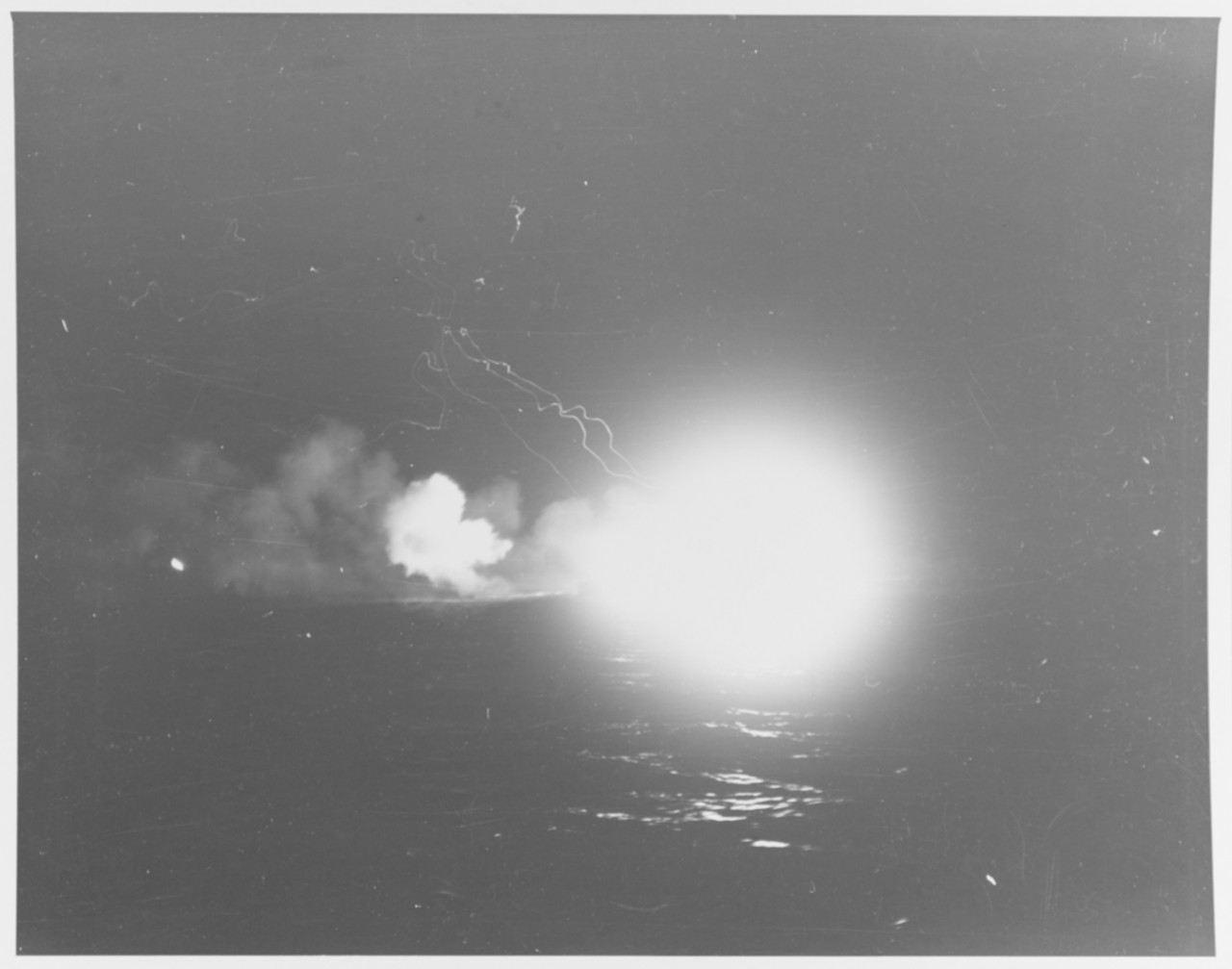
On the night of 24-25 October, Vice Admiral Shoji Nishimura led his Southern Force straight into one of the most perfectly executed ambushes in naval history. Rear Admiral Jesse Oldendorf had laid his line across the northern end of Surigao Strait and waited.
What followed was a textbook 'Crossing the T' — the classic manoeuvre where a fleet crosses perpendicular to an enemy column, bringing every gun to bear while the enemy can only fire forward. Oldendorf executed it almost perfectly. It was also, as history would record, the last time it would ever be done.
The poignant footnote that no one who hears it ever forgets: among the battleships firing the final salvoes were USS West Virginia, USS Maryland, and USS California — ships raised from the mud of Pearl Harbor, now delivering a kind of terrible justice in the dark.
Was Nishimura's charge heroic sacrifice, or catastrophic mismanagement? His force was wiped out almost to the last man. Some say he knew exactly what he was sailing into. Which side are you on?
The Battle off Samar: When the Small Ships Fought Back
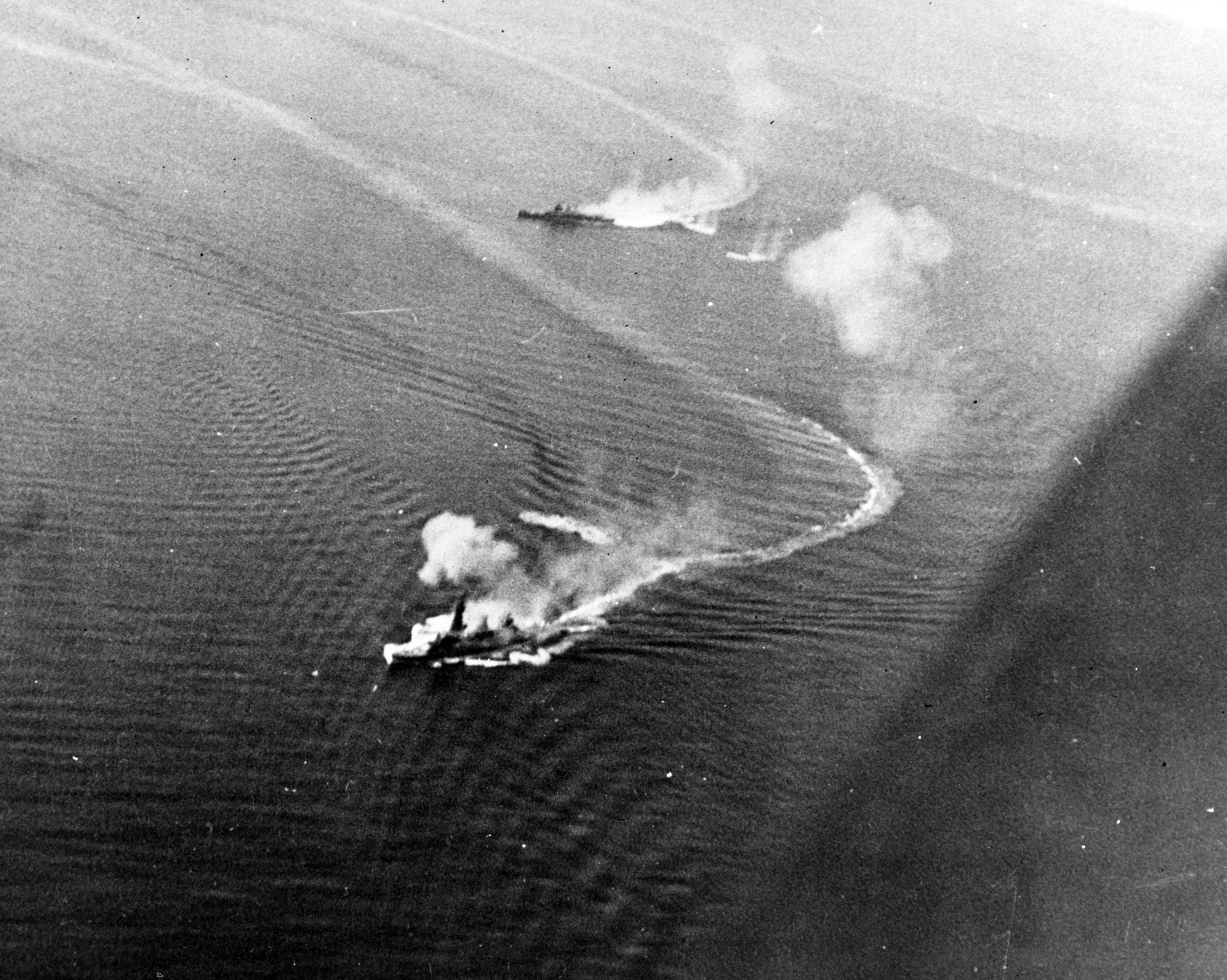
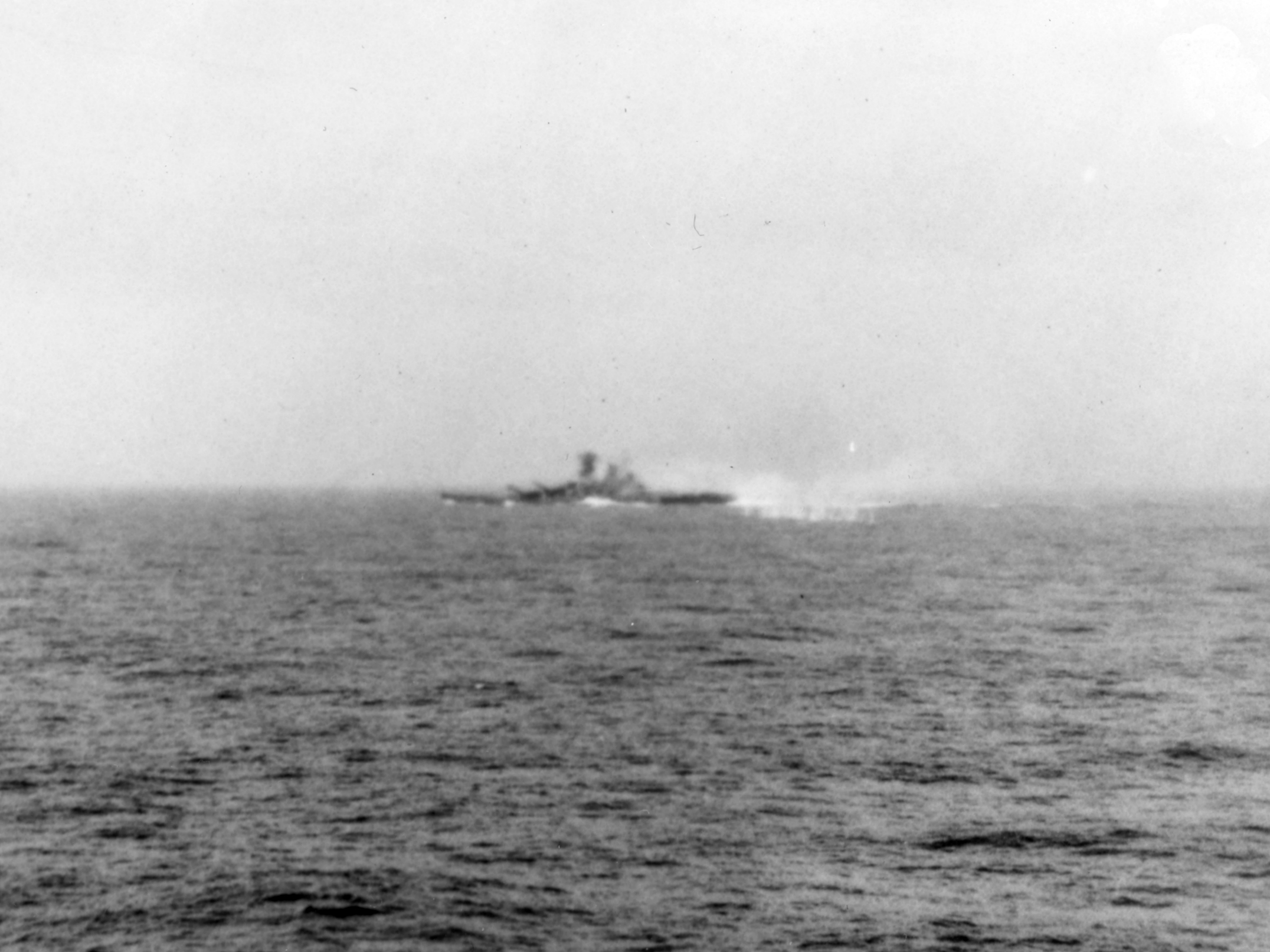
Nothing in the battle — perhaps nothing in the entire Pacific War — compares to what happened off the island of Samar on the morning of 25 October. A small force of escort carriers, destroyers and destroyer escorts, designated 'Taffy 3,' found itself directly in the path of Kurita's entire Centre Force.
Yamato was there. Heavy cruisers. Destroyers. Against thin-skinned escort carriers and tiny ships that had no business fighting a fleet action at all.
What happened next defies tidy summary. American ships made smoke and ran. Pilots flew attack after attack with empty guns and no ammunition, just to keep the Japanese off-balance. And then there was the destroyer Johnston — her captain, Commander Ernest Evans, turning his small ship directly toward a fleet of battleships and charging.
Evans, a Cherokee citizen and one of the finest fighting sailors of the war, was killed when Johnston finally went down. He refused every opportunity to retreat. Some say Taffy 3 won through sheer courage. Others say Kurita handed them the victory by inexplicably turning his fleet away when he was within reach of annihilating the American landing force. The debate about why Kurita withdrew — cowardice, confusion, or deliberate calculation — remains genuinely unsettled.
Halsey's Chase: Brilliant Admiral or Dangerous Gambler?
Ozawa's decoy worked. Halsey took the bait completely, racing north with his entire powerful force to destroy the Japanese carriers — leaving the landing beaches dangerously exposed.
When Admiral Nimitz sent his famous signal — 'Where is Task Force 34?' — the humiliation was felt across the Pacific Fleet. Halsey reportedly wept with rage. He turned south, but arrived too late to catch Kurita's retreating force.
Most people credit Halsey's aggression as his defining quality. Unpopular opinion: the real reason Leyte Gulf didn't become a catastrophe was that Kurita lost his nerve at the critical moment — and Halsey's gamble happened to survive the consequences.
Halsey remained unapologetic for the rest of his life. What does that tell us about the culture of command in the wartime US Navy? Reckless, or simply unlucky that the gap was briefly exposed? Tell us where you stand.
The Kamikazes Arrive: A New and Terrible Weapon
Leyte Gulf marks the first large-scale organised use of kamikaze tactics. Pilots deliberately flew aircraft laden with explosives into Allied ships — not as a last desperate act, but as calculated, organised strategy.
When conventional air power had been so thoroughly destroyed, suicide attack became, by a brutal logic, a rational military calculation. One pilot, one aircraft, one ship. The mathematics were horrible and they worked.
Allied sailors struggled to process what they were facing. You can train a man to fight an enemy who wants to survive. How do you fight one who intends to die?
Were the kamikaze pilots fanatics, patriots, or young men with no real choice — caught between an ideology that demanded sacrifice and a military culture that made refusal unthinkable? There is no clean answer to that question. Sit with the discomfort of it.
What Leyte Gulf Actually Decided — And What It Didn't
The Imperial Japanese Navy never sailed as a fighting fleet again after October 1944. Strategically, the battle achieved exactly what the Americans needed. The Philippines were secured. The sea lanes to Japan's resource empire were cut.
And yet Japan fought on for another ten months. The battles of Iwo Jima and Okinawa still lay ahead, at horrific cost. So how decisive was 'decisive,' really?
Most people point to the atomic bombs as the blow that ended the Pacific War. Here's the contrarian read: the real death blow to Japanese military power was delivered in these four days off the Philippines in October 1944 — long before Hiroshima, long before the B-29s were mining Japanese harbours. The atomic bombs ended the war. Leyte Gulf had already decided it.
The courage at Guadalcanal — which we explored in our piece on where America stopped retreating — had turned the tide. Leyte Gulf drove the stake in.
Halsey chased the decoy, left the beaches exposed, and the Americans won anyway. Was he vindicated by the outcome, or simply fortunate that Kurita's nerve broke at exactly the right moment?