They Called It 'Bloody Omaha' — And They Kept Coming Anyway
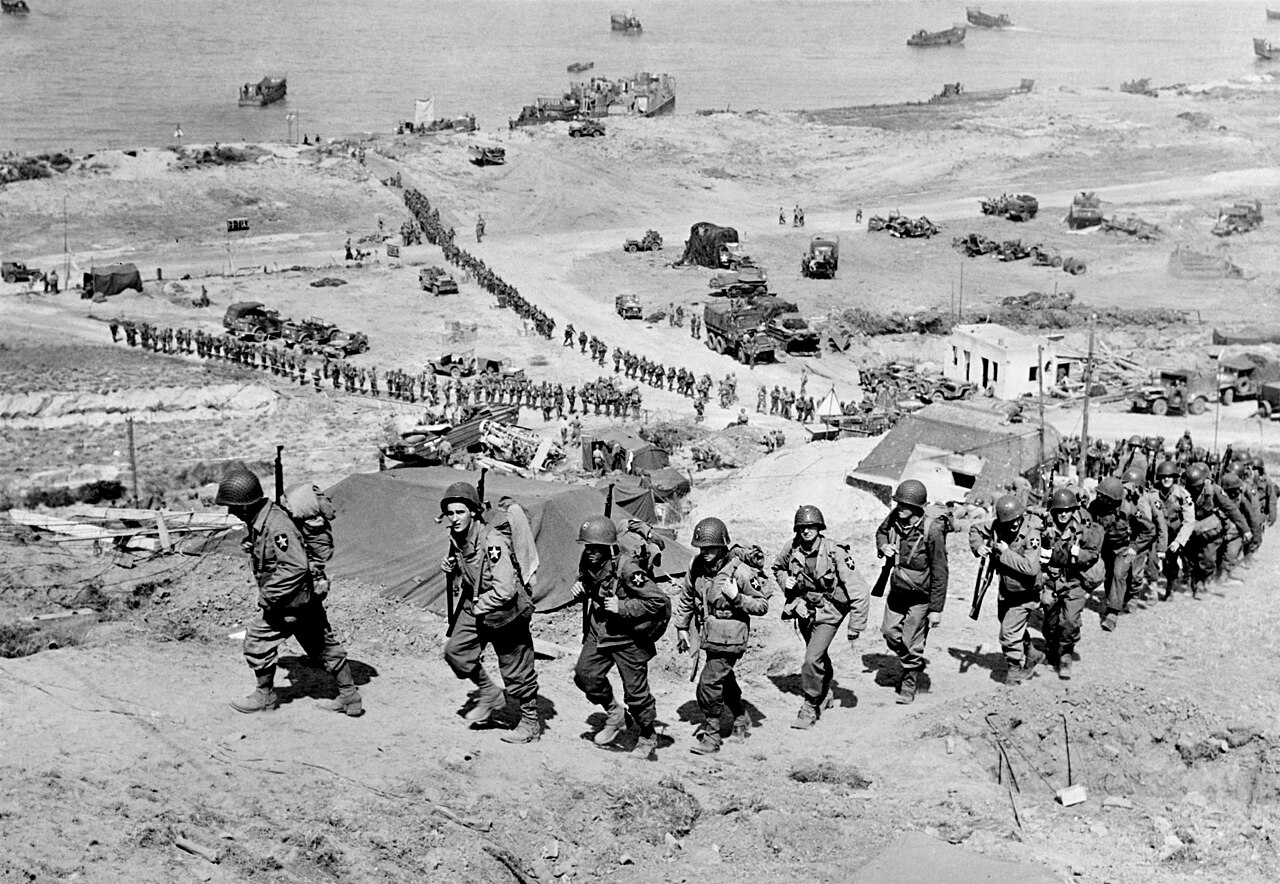
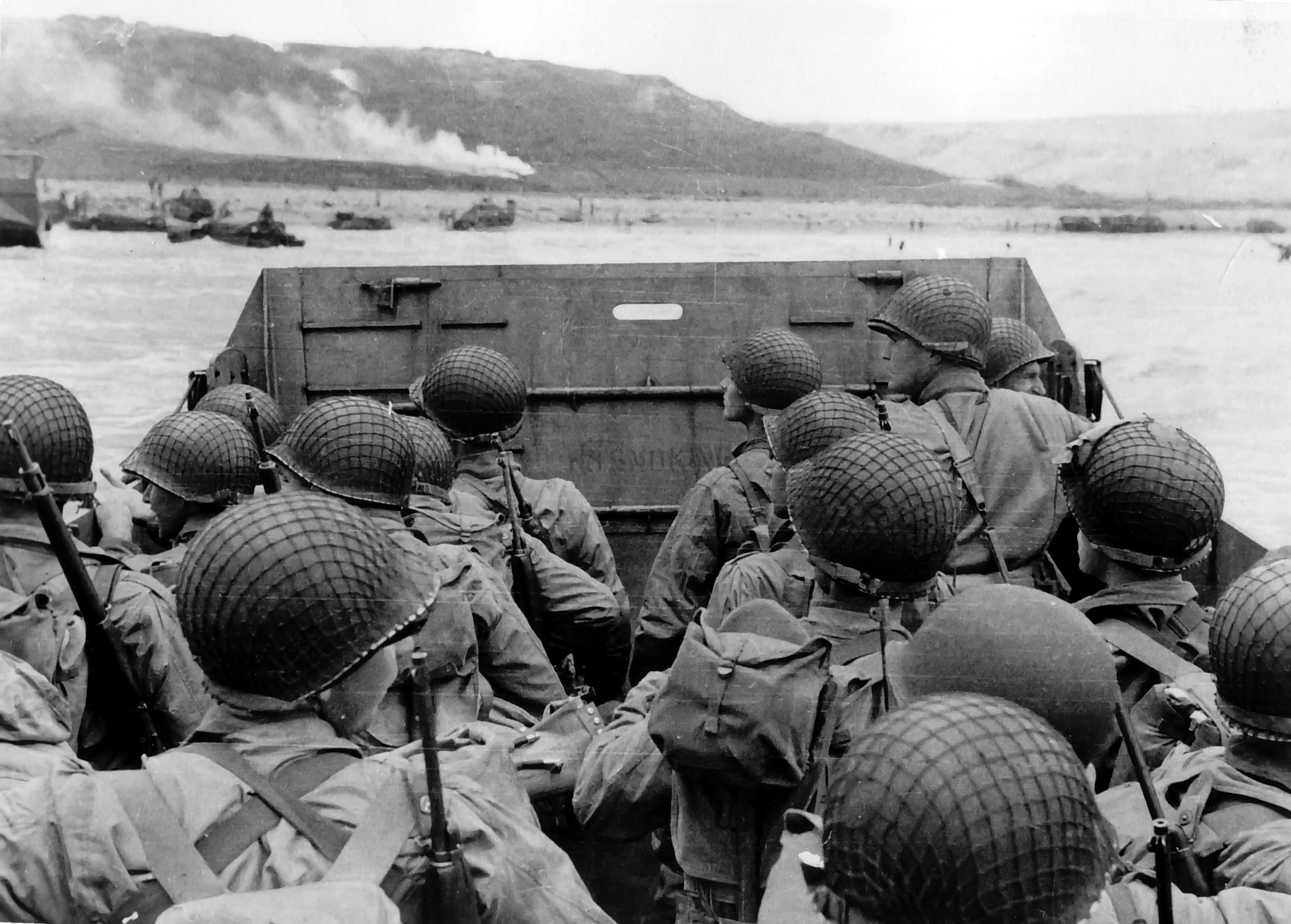
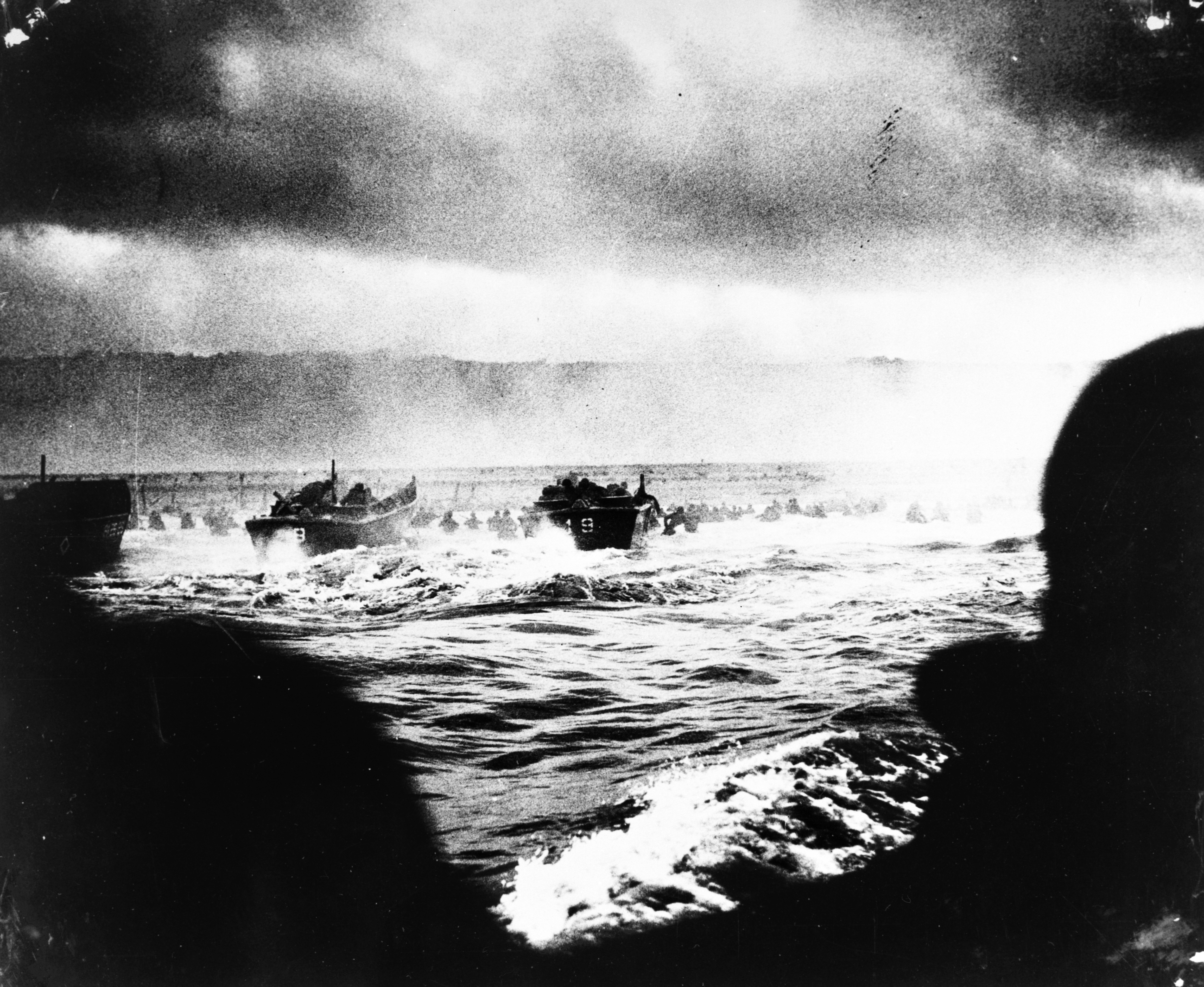
Dawn, June 6, 1944. Landing craft pitched through grey, choppy water toward a six-mile strip of Normandy coastline. Inside, soaking wet and seasick, American soldiers clutched their rifles and waited for the ramps to drop. What met them wasn't the suppressed, demoralised defence Allied planners had promised. It was a wall of steel.
Omaha Beach was uniquely deadly among the five D-Day landing zones. Unlike Utah, Gold, Juno, or Sword, Omaha offered the defenders a nightmare advantage: high bluffs overlooking a wide, exposed beach with almost no natural cover. German bunkers were dug into those heights with overlapping fields of fire. There was nowhere to hide and nowhere to run — only forward, into the guns.
Within the first sixty minutes, the invasion at Omaha was on the brink of total collapse. Whole units were shredded before they cleared the waterline. Senior officers began to wonder whether the beach could be taken at all. Some of the most decorated military planners in history had set brave men on a course toward catastrophe.
Was Omaha a planning disaster dressed up as a heroic victory? The debate has never really been settled.
Most People Think It Was a Brilliant Plan. The Men in the Water Knew Different.
Allied planners promised a softened beach. Heavy bombers would obliterate German defences before the first boat landed. Duplex Drive Sherman tanks — amphibious armour — would swim ashore ahead of the infantry and provide cover. The reality was almost the opposite of everything the men had been told.
The pre-dawn bombing largely missed its targets. Concerned about hitting their own landing craft in the murk and cloud, bomber crews delayed their release points — some by up to thirty seconds. Bombs fell miles inland. German bunkers, virtually untouched, were fully manned and waiting.
The DD tanks fared even worse. Launched into rough seas far from shore, the vast majority foundered and sank within minutes. Of 29 tanks launched off one sector, only 2 made it to the beach. The infantry, supposed to follow armour into battle, now had to cross open sand alone.
Navigation errors compounded the disaster. Strong currents pushed landing craft sideways, depositing entire companies directly in front of the strongest German gun positions rather than the planned gaps. Some units had never trained for the ground they were now dying on. The contrarian question is unavoidable: was the blood shed on Omaha an unavoidable cost of war, or a preventable failure of command?
The First Wave: When the Ramps Went Down
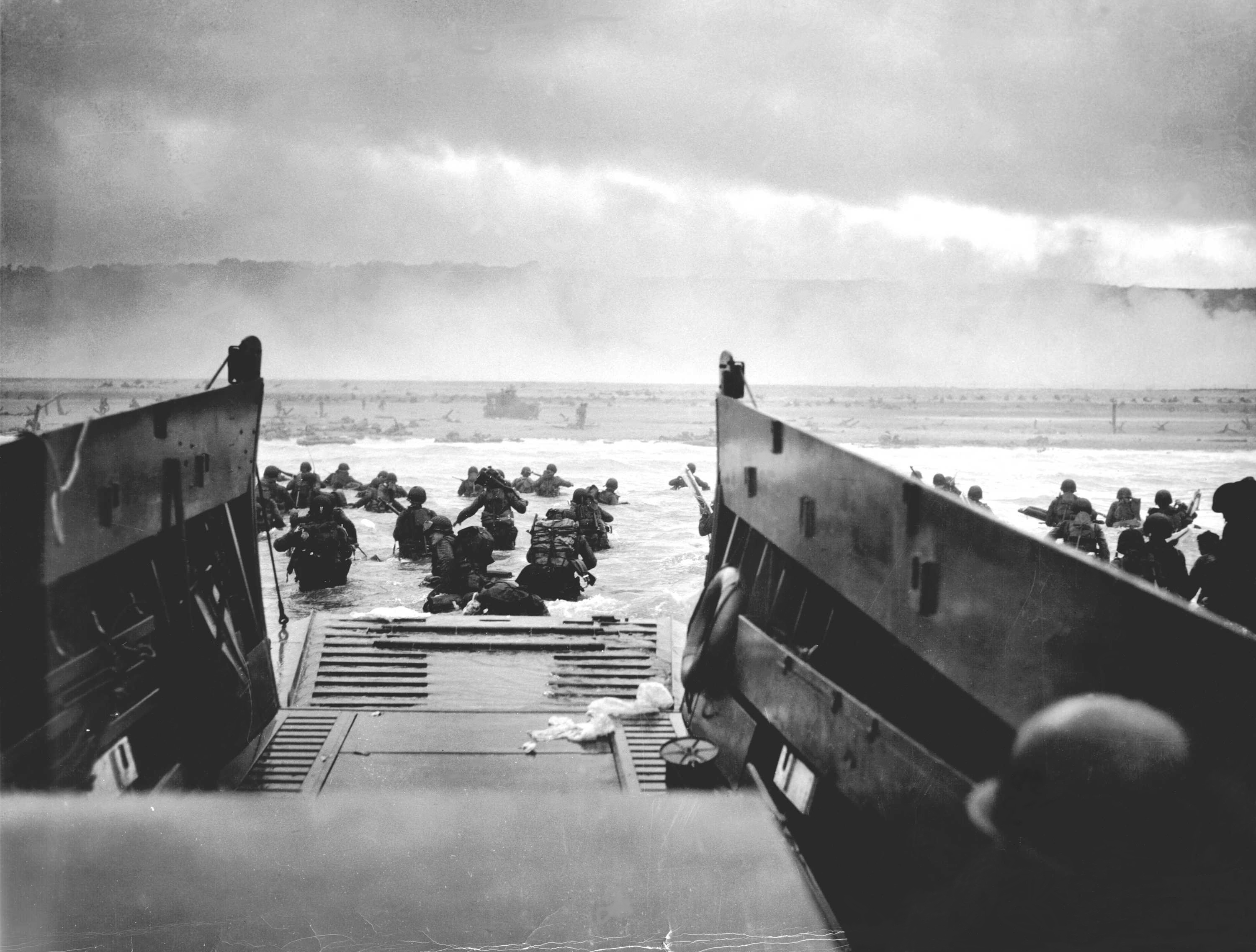
When the front ramps dropped, men didn't step onto a beach — they stepped into chaos. Some plunged into water over their heads, dragged under by the weight of their equipment. Others were cut down before they moved three feet. The noise was unlike anything training had prepared them for.
Some units lost more than half their men before they left the waterline. Company A of the 116th Infantry Regiment, landing at Dog Green sector, was effectively destroyed in minutes. Of around 200 men, fewer than a handful reached the shingle bank at the top of the beach intact.
The psychological weight of those hours is almost impossible to grasp. Men were pinned behind steel obstacles meant for them to use as cover. The sea — cold and full of bodies — was behind them. The bluffs, bristling with machine guns, were ahead. For a time, no one moved. For a time, the beach almost wasn't taken.
Senior commanders offshore, watching through binoculars, considered diverting subsequent waves to Utah. Omaha, some feared, was lost.
The Sergeants and Junior Officers Who Led the Way Up the Bluffs
The breakthrough at Omaha didn't come from a grand strategic order issued by a general on a warship. It came from small groups of men — sergeants, lieutenants, ordinary soldiers — who simply decided that dying pinned down was worse than dying moving forward.
Colonel George Taylor of the 1st Infantry Division put it simply and brutally: "Two kinds of people are staying on this beach — the dead and those who are going to die. Now let's get the hell out of here." It was not elegant. It was exactly right.
Further west, Army Rangers were scaling the sheer cliffs of Pointe du Hoc under direct fire, using grappling hooks and ladders, losing men with every metre gained — a near-suicidal assault by any measure. Men like Sergeant Curtis Colwell, who led his section off the beach and through a draw under devastating fire, received little lasting recognition. Yet without men like him, there was no beachhead.
Omaha wasn't won by high command. It was won by desperate improvisation from men who had nothing left to lose and everything left to prove.
The German Side of the Wire: A Defence That Almost Held
The soldiers in those bunkers weren't raw conscripts. The 352nd Infantry Division — a stronger, more experienced unit than Allied intelligence had identified — was defending Omaha. Their positions were meticulously prepared and their fields of fire interlocking. They were good soldiers doing their jobs with lethal efficiency.
German command decisions on June 6 also shaped the day. Hitler's refusal to release Panzer reserves without his personal authorisation — a hesitation that stretched critical hours — prevented a coordinated armoured counterattack that might genuinely have thrown the Americans back into the sea. That decision, not Allied planning, may have been the margin of survival.
Acknowledging German effectiveness at Omaha doesn't diminish Allied courage. If anything, it makes what those men achieved more extraordinary. But it also sharpens the harder question: if the defence was this formidable, why did Allied planners underestimate it so significantly?
What Omaha Cost — And What It Bought
By the end of June 6, the beachhead at Omaha was secured — barely. Estimates place American casualties at around 2,000 men killed, wounded, or missing on that single beach, on that single day. The numbers are staggering even now.
Yet the capture of Omaha was strategically essential. Without it, the Allied beachheads could not be linked. Without a linked beachhead, the breakout into France — and ultimately the liberation of Western Europe — could not begin. Those men bought something real with their lives, even if the price was set too high by decisions made far from the waterline.
Many of our readers will have a personal connection to Normandy. Fathers who didn't talk about it. Uncles whose medals sat in a drawer. The rows of white crosses at the Normandy American Cemetery above Omaha are not an abstraction for everyone who reads this. For many, they're family.
Films like Saving Private Ryan brought the horror of those first minutes to a generation that hadn't lived it. Whether they captured the full moral complexity — the planning failures alongside the courage — is another question worth asking.
Brilliant Bravery or Avoidable Bloodbath? The Debate That Never Really Closed.
Omaha Beach occupies a strange place in history. It is simultaneously one of the greatest feats of collective courage in the history of warfare and one of the most costly intelligence and planning failures of the entire war. Both things are true. Neither cancels the other out.
Some say the casualties were the inevitable price of liberating a continent from fascism — that war is brutal and Omaha, for all its cost, delivered the outcome the world needed. Others argue that better reconnaissance, better coordination between air, armour and infantry, and better decisions about where and how to land could have saved hundreds of American lives. Which side are you on?
If the DD tanks hadn't sunk. If the bombers had hit what they were aiming at. If the landing craft had found the right sectors. Would Omaha have looked more like a coordinated combined-arms operation — more like Gold or Sword — rather than a near-disaster salvaged by individual heroism?