Born in the Highlands
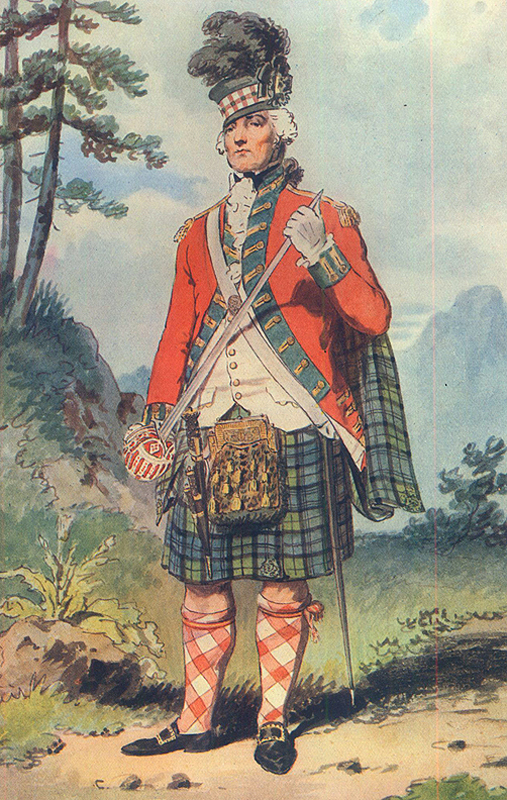
The Black Watch began not as a regiment of the line, but as a police force. In 1725, six "watch" companies were raised from loyal Highland clans to patrol the Scottish Highlands, disarm Jacobite sympathisers, and prevent cattle raiding. The men wore dark tartan, earning them the Gaelic name "Am Freiceadan Dubh" - the Black Watch.
In 1739, the independent companies were formally mustered into a regiment of the British Army as the 43rd (later 42nd) Regiment of Foot. From that moment, the Black Watch became one of the most distinctive and celebrated fighting units in military history.
First Blood at Fontenoy
The regiment's first major battle came at Fontenoy in 1745, during the War of the Austrian Succession. The Black Watch, fighting in their Highland dress, charged French positions with such ferocity that they astonished observers on both sides. Their casualties were heavy, but their reputation was established in a single afternoon.
From that point forward, the Black Watch fought in virtually every major British conflict for the next three centuries. They served in North America during the French and Indian War, where they suffered terrible losses at the Battle of Ticonderoga in 1758, attacking uphill against fortified positions with characteristic Highland aggression.
From Waterloo to the Somme
The regiment fought at Waterloo in 1815, holding the line at Quatre Bras two days before the main battle, where they formed square against French cavalry charges and held their ground despite devastating casualties. Their commander, Sir Robert Macara, was killed, but the regiment did not break.
In the First World War, the Black Watch raised over twenty-five battalions and served on every major front. They fought at Loos, the Somme, Arras, Ypres, and the final Hundred Days. The regiment lost over 8,000 men killed, a staggering toll that touched every community in Perthshire, Dundee, Fife, and Angus.
The memorial in Aberfeldy, where the original companies first mustered, bears testimony to the scale of sacrifice. Entire generations of young men from the same towns and villages never came home.
The Second World War
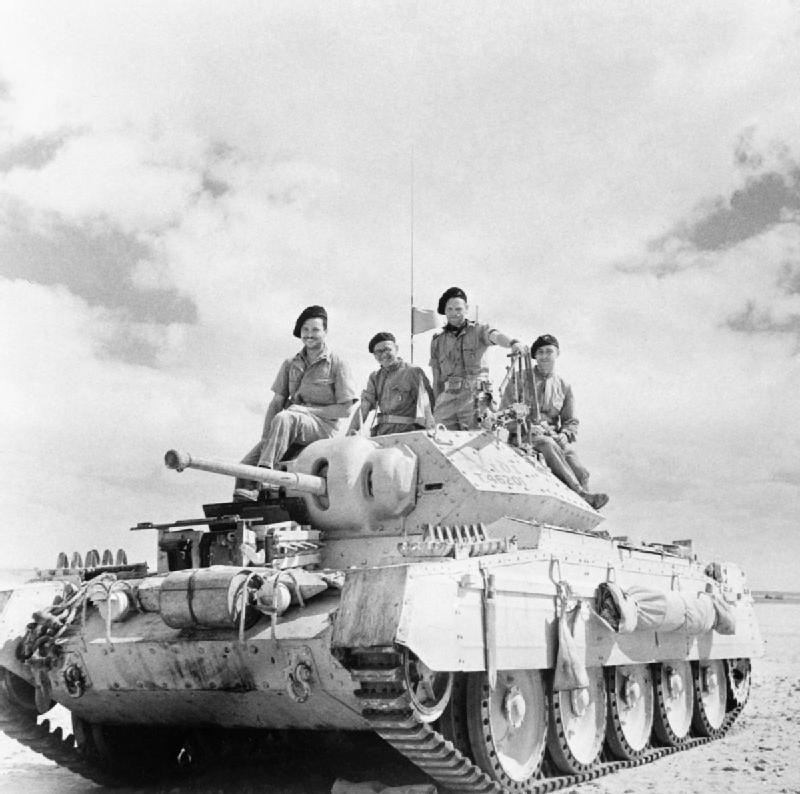
In the Second World War, the Black Watch fought in France, North Africa, Sicily, Italy, and Northwest Europe. The 51st Highland Division, in which the Black Watch served prominently, was forced to surrender at St Valery-en-Caux in 1940, a bitter humiliation that the regiment was determined to avenge.
The reconstituted 51st Highland Division, with Black Watch battalions at its core, fought from El Alamein through Sicily and into Normandy. At El Alamein in October 1942, the division attacked through minefields under intense fire, with pipers playing the advance. The regiment's performance in the desert and beyond restored its honour completely.
Korea, Kenya, and the Cold War
The Black Watch served in Korea during 1952-1953, fighting at the Battle of the Hook in some of the fiercest trench warfare since 1918. In Kenya, they operated against Mau Mau insurgents. During the Cold War, they rotated through Germany as part of NATO's deterrent against the Soviet Union.
Throughout these decades, the regiment maintained its distinctive identity: the red hackle in the bonnet, the dark government tartan, the regimental pipe band, and an esprit de corps rooted in centuries of shared sacrifice.
Afghanistan and the Modern Era
In 2004, the Black Watch deployed to Camp Dogwood in the "Triangle of Death" south of Baghdad during the Iraq War, a controversial deployment that cost five soldiers' lives and generated intense political debate at home. In 2009, they served in Helmand Province, Afghanistan, fighting the Taliban in conditions their Highland ancestors would have found familiar: harsh terrain, a determined enemy, and precious little recognition from a distant government.
In 2006, the Black Watch was amalgamated into the Royal Regiment of Scotland as its 3rd Battalion, a change that many veterans and serving soldiers accepted with deep reluctance. The name was preserved, and the red hackle still distinguishes them from every other unit in the British Army.
Three Hundred Years of Service
From the glens of Perthshire to the deserts of North Africa and the mountains of Afghanistan, the Black Watch has served with a fierce, quiet pride that defines the Scottish military tradition. Their story is one of extraordinary courage, painful loss, and an unbreakable bond between soldiers, their regiment, and their homeland.
Three hundred years of history deserve to be remembered by those who value courage and sacrifice.