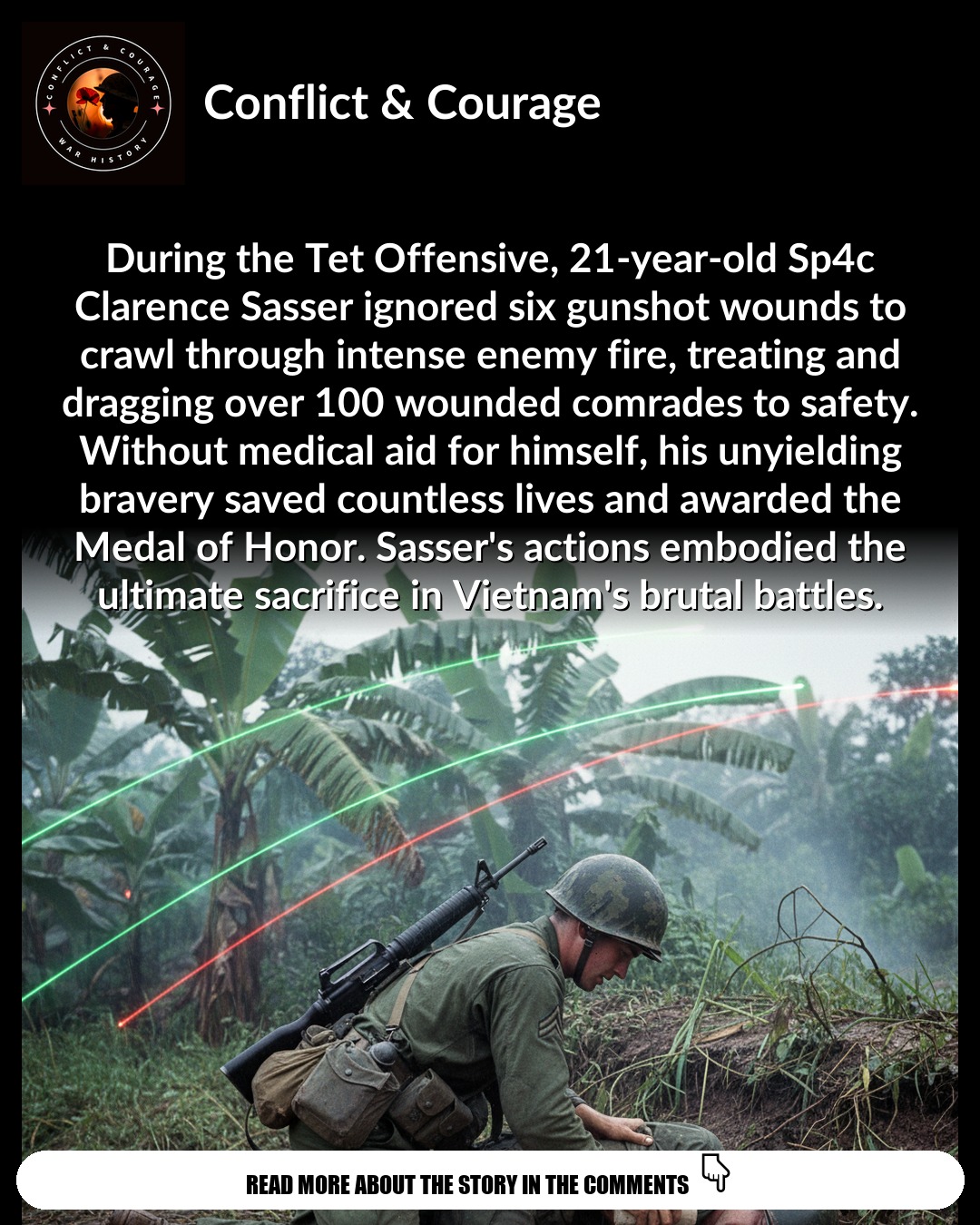
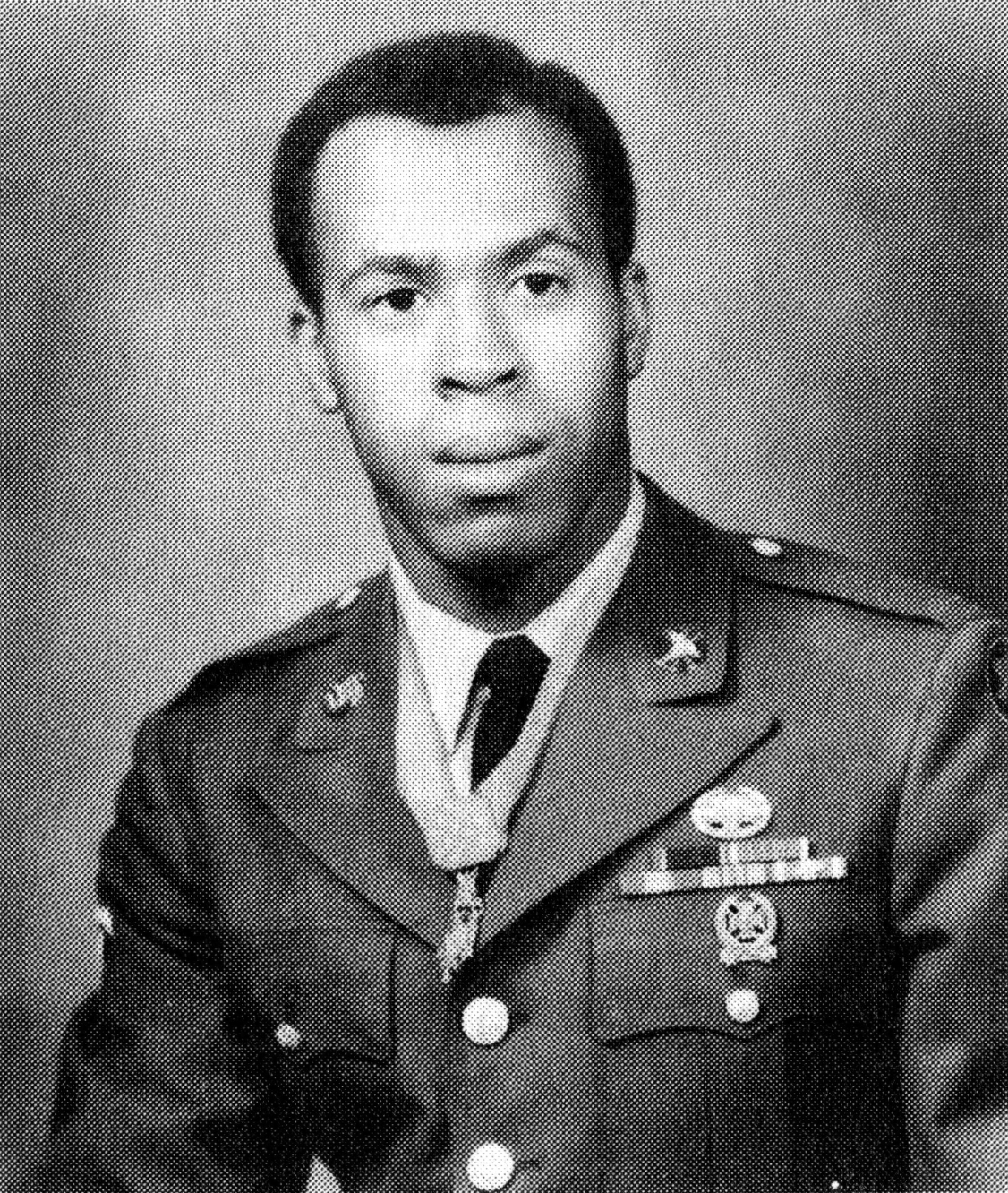
On 10 January 1968, Specialist Fifth Class Clarence Eugene Sasser was serving as a medical aidman with Company A, 3rd Battalion, 60th Infantry, 9th Infantry Division, in Dinh Tuong Province in the Mekong Delta of South Vietnam. What he did that day, in the open rice paddies of the Delta, would earn him the Medal of Honor. It is worth being precise about when and where it happened, because the action is often mistakenly folded into the Tet Offensive. The Tet Offensive did not begin until the night of 30–31 January 1968. Sasser's fight took place roughly three weeks earlier, during a routine reconnaissance-in-force operation, far from the urban battles that would soon dominate the headlines.
An Air Assault Into an Ambush
Sasser's company was carried into the landing zone by helicopter that morning. As the men came in, they were caught in a well-prepared enemy position. According to the official Medal of Honor citation, the company was taken under heavy small-arms, recoilless-rifle, machine-gun, and rocket fire from fortified positions on three sides of the landing zone. Within the first few minutes, more than thirty men were hit. The paddies offered almost no cover. Anyone who moved to help the wounded had to cross open ground under sustained fire.
Sasser moved anyway. He ran across an open rice paddy through heavy fire to reach the first casualties. While helping one man to safety, he was wounded in the left shoulder by fragments from an exploding rocket. He refused treatment for himself and kept working, moving through automatic-weapons and rocket fire to reach more of the wounded from the initial volley.
Hours Under Fire
The situation did not ease. Sasser was wounded twice more, this time in the legs, which left him unable to walk. Rather than stop, he dragged himself through the mud toward a soldier lying roughly a hundred meters away. The citation records that, faint from loss of blood and in severe pain, he reached the man and treated him, then urged another group of soldiers to crawl some two hundred meters to comparatively safer ground. There he tended their wounds for about five hours until they could be evacuated.
The endurance is the heart of the story. This was not a single dramatic act but a sustained refusal to leave the wounded, carried out over hours by a man who was himself repeatedly hit and steadily weakening. Sasser was a draftee and a combat medic, not an infantryman, and his job was to keep others alive. On 10 January 1968 he did exactly that, at very great cost to himself.
Recognition
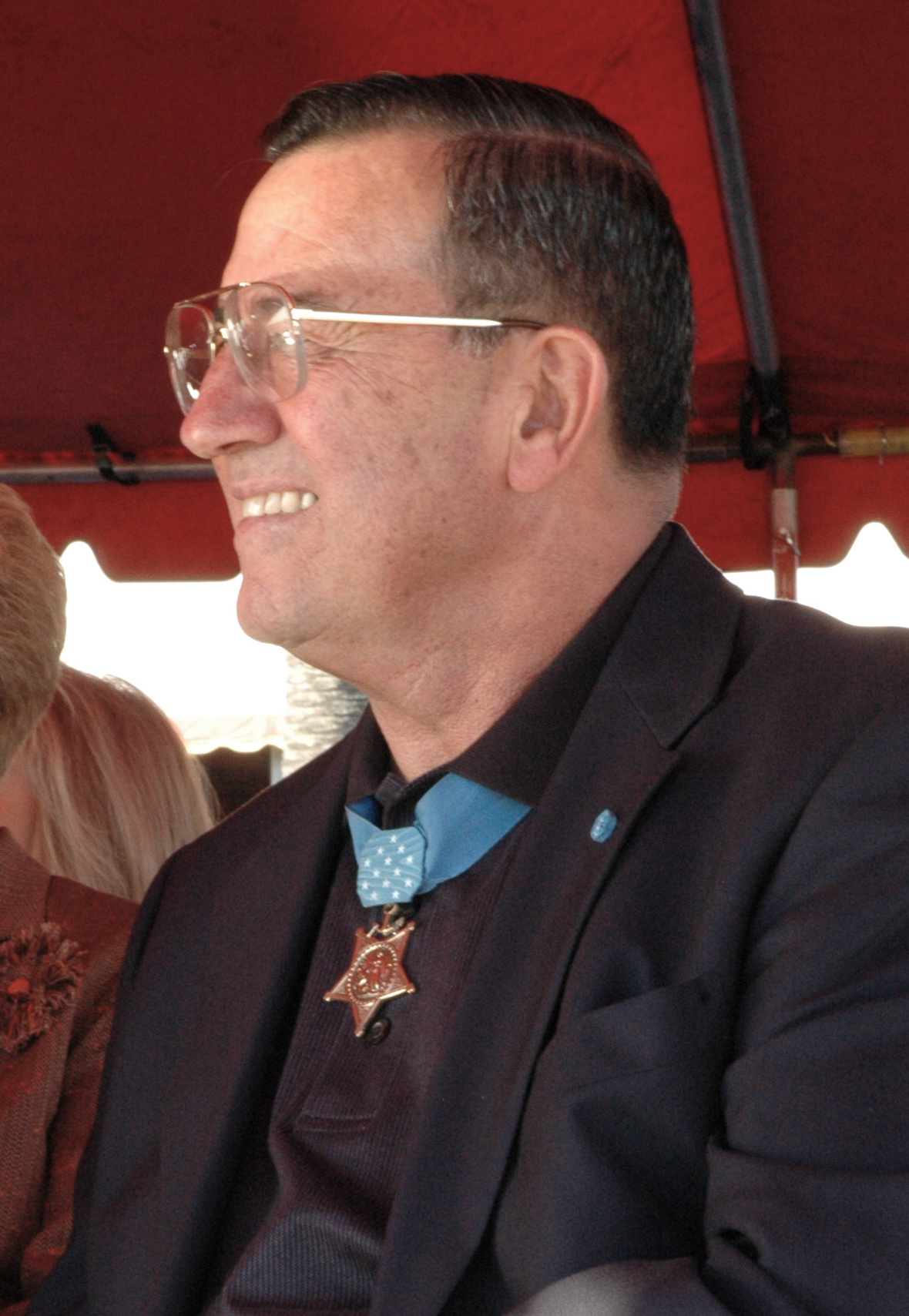
Clarence Sasser survived his wounds. On 7 March 1969, President Richard M. Nixon presented him with the Medal of Honor at the White House. He had been born in September 1947 in Brazoria County, Texas, and was accredited to Houston. He lived a long life after the war and died on 13 May 2024. He was buried at Houston National Cemetery.
Because his citation and the surrounding records are clear about the date and place, there is no need to inflate the account. The plain facts — an air assault into a fortified ambush, more than thirty casualties in minutes, and a wounded medic who kept treating men for five hours — are enough. Attaching the action to the Tet Offensive, which had not yet started, only obscures what actually occurred in the Delta that January morning.
Sources & Further Reading
- Congressional Medal of Honor Society — Clarence Eugene Sasser (full citation, action date and place)
- Medal of Honor Citations, Vietnam (M–Z) — U.S. Army