Five Brothers, One Ship — Who Really Made That Call?
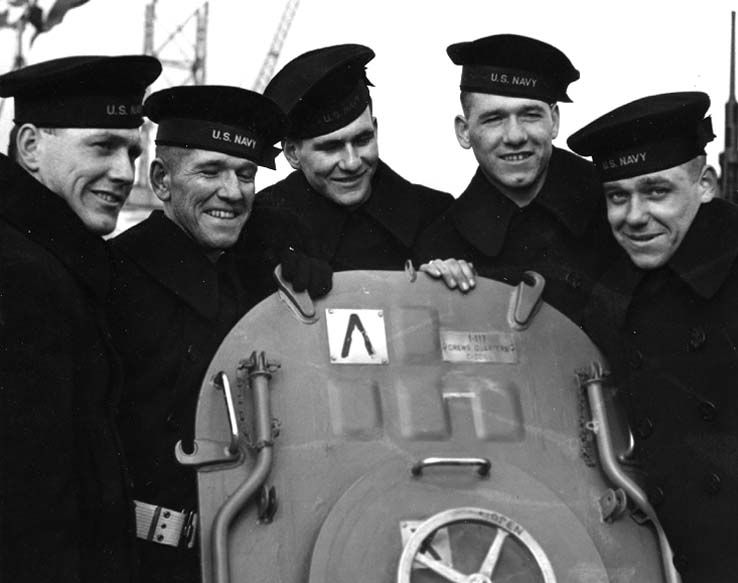
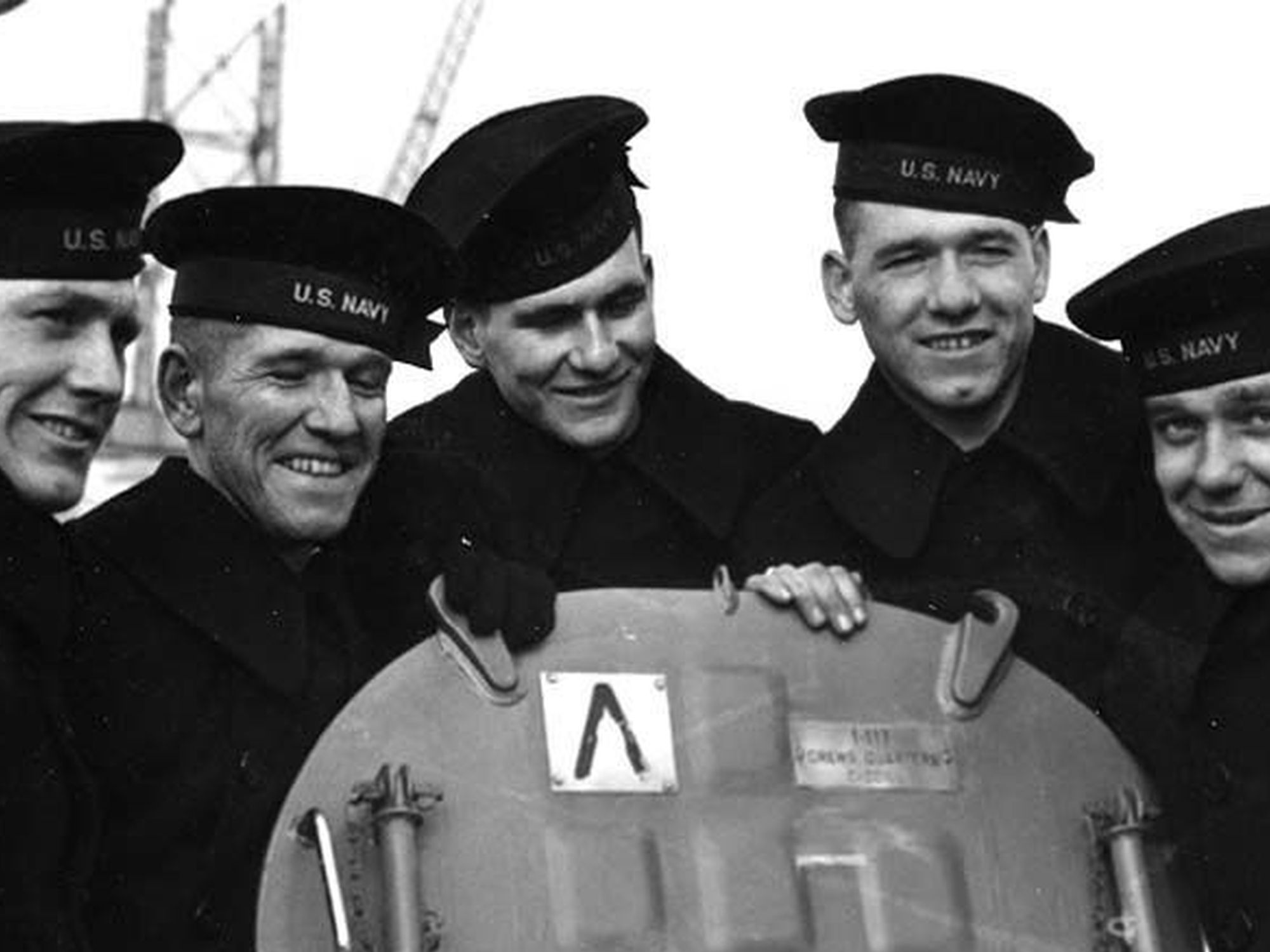
George, Frank, Joe, Matt, and Al Sullivan. Five sons from Waterloo, Iowa. Five caskets the Navy never had to build because there was almost nothing left to bury.
Most people think the Navy simply agreed to the brothers' request to serve together — a bureaucratic oversight, a wartime oversight, call it what you like. Unpopular opinion: the real reason the Navy said yes was recruitment optics, public pressure, and wartime desperation. Not accident. Not ignorance. A calculated decision by a system that needed bodies and needed heroes.
So here is the question that has followed this story for over eighty years. Were the Sullivan brothers bold and loyal men who sealed their own fate? Or did the United States Navy fail them — and their parents — completely? Some say they were reckless. Others say the Navy was negligent. Which side are you on?
Pearl Harbor Changed Everything — For One Family in Iowa
The Sullivans were working-class, Irish-Catholic, and tightly bound — the kind of family where Sunday dinner was non-negotiable and loyalty ran deeper than blood. Their father Tom worked for the Illinois Central Railroad. Their mother Alleta held the household together with quiet, iron-willed grace.
The personal trigger was the death of Bill Ball, a close friend of the brothers, who was killed at Pearl Harbor on December 7, 1941. Grief has a way of making decisions feel simple. In January 1942, all five brothers walked into a Navy recruitment office together.
They signed a form — unusual but not without precedent — requesting assignment to the same vessel. Their ages ranged from 20-year-old Al to 27-year-old George. Five distinct men, five distinct lives, one shared decision that history would never let them walk back.
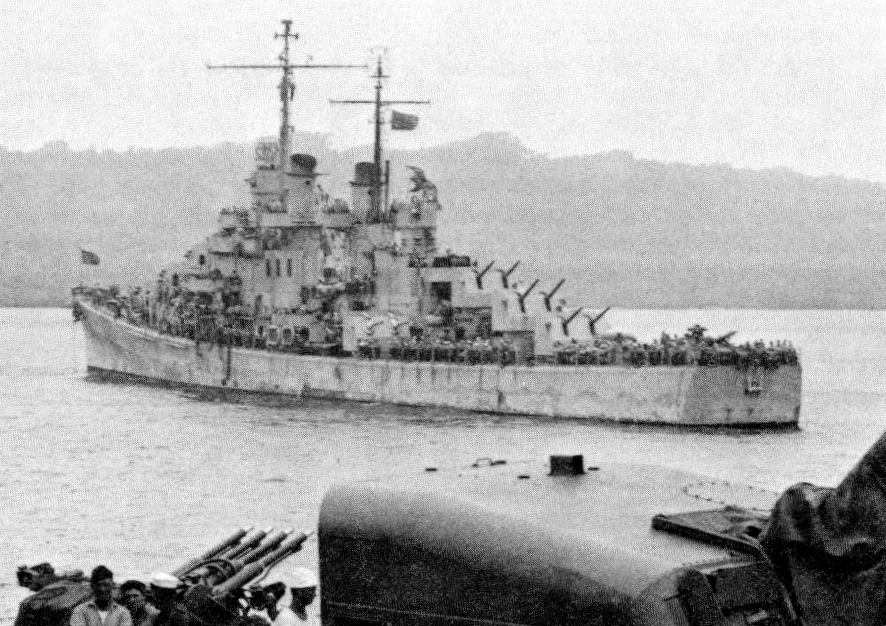
The USS Juneau and the Road to Guadalcanal
The USS Juneau was an Atlanta-class light cruiser — fast, capable, but lightly armoured by design. She was built for speed, not punishment. The Guadalcanal campaign was asking ships to absorb both.
By November 1942, the waters around Guadalcanal had become a graveyard. The earlier naval battles of the Pacific had already demonstrated how quickly fortune could turn in these waters. During the Naval Battle of Guadalcanal on November 13th, the Juneau was already damaged when Japanese submarine I-26 put a single torpedo into her forward ammunition magazine.
She sank in approximately twenty seconds. Of an estimated 700 men aboard, only ten survived. Before we even talk about the Sullivan brothers, let that number anchor you — 700 men, twenty seconds.
The Eight Days Nobody Talks About
When the Juneau gets all the glory as a symbol of sacrifice, who remembers the eight days survivors spent in shark-infested waters that actually compounded the tragedy beyond imagination?
American ships in the area did not stop. Standing orders in submarine-threatened waters were clear: the fleet takes priority over survivors. It was cold logic. It was also, depending on your view, an abandonment of 700 men thrashing in the Pacific.
A PBY Catalina aircraft finally reached the survivors eight days later. By then, wounds, exposure, dehydration, and shark attacks had done what the torpedo had not yet finished. The decision to sail on remains one of the most quietly debated calls of the entire Pacific War. Was the commanding officer working within the brutal mathematics of wartime necessity — or was it a failure of basic humanity? The debate has never been fully settled.
The Letter That Arrived at the Sullivan Home
In January 1943, a Navy officer came to the Sullivan home in Waterloo. Tom and Alleta already knew something was wrong. Parents always do.
All five sons were confirmed dead. President Roosevelt wrote personally to the family. The Sullivans were invited to Washington. And then — in one of the most complicated acts of grief this war produced — Alleta Sullivan toured the country and shipyards to boost morale. She turned her loss into a public act of service, even as she was still processing what that loss meant in private.
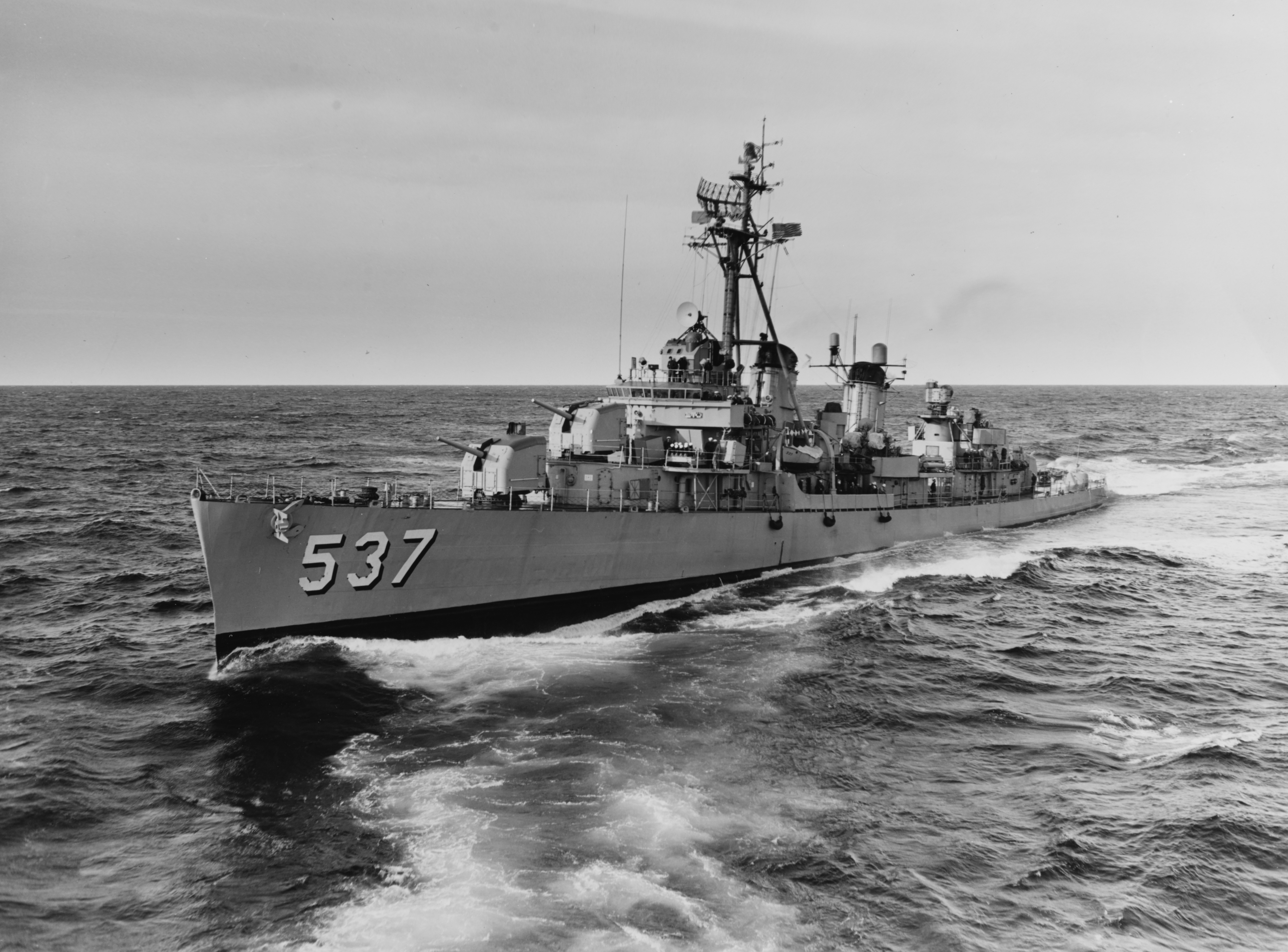
The destroyer USS The Sullivans was launched in 1943. She is still afloat today as a museum ship in Buffalo, New York. Tom and Alleta Sullivan had five sons. The nation gave them a warship in return. Whether that exchange felt like honour or hollow consolation is something only Alleta could have told you.
The Sole Survivor Policy — Did It Actually Come From the Sullivans?
Most people believe the Sullivan tragedy directly and cleanly produced the Sole Survivor Policy. Unpopular opinion: the policy's origins are messier, older, and more politically motivated than the myth allows.
The US Army already had informal provisions before 1942. The policy was codified in 1948, six years after the Juneau sank — hardly the immediate legislative thunderclap the story implies. The Hollywood version, most famously dramatised in Saving Private Ryan in 1998, is vivid and emotionally satisfying but historically simplified.
The policy also applies differently across branches and carries exceptions most people are unaware of. It is not the blanket, ironclad protection many assume. The British had already learned a version of this lesson with the Pals Battalions of the First World War — entire communities of men who enlisted together and died together, leaving streets back home that never fully recovered. That lesson was learned once. The Americans had to learn it again.
Should the military ever override a family's wish to serve together? Or is that precisely the kind of freedom worth dying for? There is no clean answer here, and anyone who tells you there is hasn't thought about it hard enough.
Five Brothers, One Question That Won't Go Away
Revisit the debate one final time. Were the Sullivan brothers bold, loyal, and admirable men whose story should be told with nothing but reverence? Or was their insistence on serving together a decision that needlessly multiplied grief for one family — and set a dangerous precedent the Navy had no business approving?
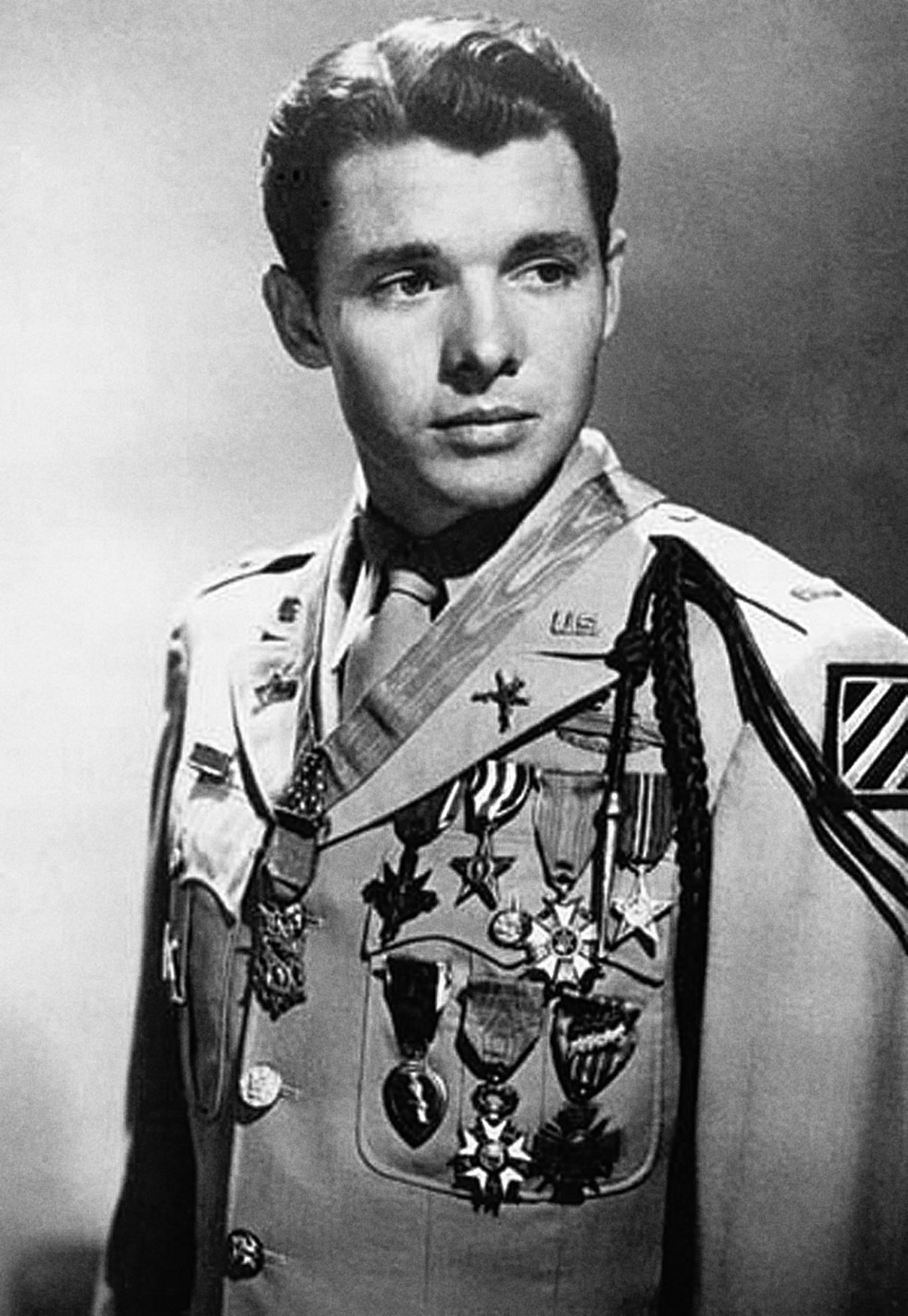
Some say their sacrifice unified America at its darkest hour. Others say the Navy should have refused their request outright, the way a responsible institution protects people even from their own bravest impulses. Much like Audie Murphy, whose story forces us to hold heroism and tragedy in the same hand, the Sullivan brothers resist a single, comfortable verdict.
Their story still asks something of us: what do we owe to the families behind the uniform? What does duty mean when it comes at the cost of everything a family has?