Most People Thank the Generals. Unpopular Opinion: The Real Reason We Won Was a Boat.
Dwight D. Eisenhower — Supreme Commander of the Allied Expeditionary Force, future President of the United States — was not a man given to idle flattery. So when he said that Andrew Higgins was "the man who won the war for us," people noticed. And then, somehow, forgot.
History has handed the glory of World War Two to the battlefield commanders. Patton. Montgomery. MacArthur. Eisenhower himself. Yet the figure Ike singled out wasn't a general. He was a boat builder from New Orleans with a foul temper, a genius for shallow-water design, and almost no name recognition at a modern dinner table.
That is either a great injustice — or it tells us something uncomfortable about how we choose our heroes. Possibly both.
What Actually Was the Higgins Boat — and Why Did the Navy Hate It?
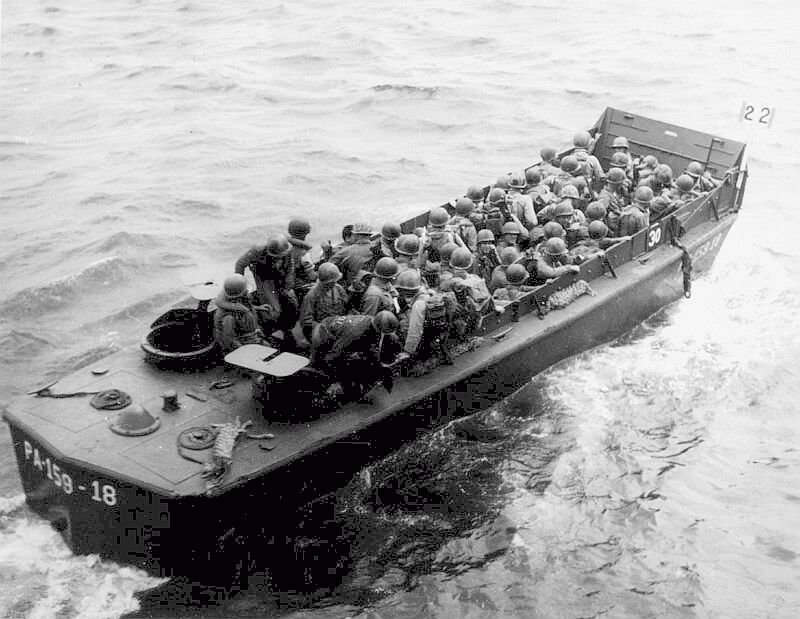
The LCVP — Landing Craft, Vehicle, Personnel — was not glamorous. Thirty-six feet long, flat-bottomed, plywood-hulled, and built for one purpose: to charge a beach, drop a ramp, and put soldiers on dry land fast. It wasn't designed for the open ocean. It was designed for the moment the ocean ended.
That drop-down bow ramp was the revolutionary detail. Previous designs forced troops to climb over the sides — exposed, slow, and easy targets. The Higgins ramp changed the geometry of amphibious assault entirely. Soldiers were on the beach before the enemy could fully adjust their aim.
Ironically, the U.S. Navy wanted nothing to do with it. Their preferred design used a fixed bow, which meant troops still had to scramble over the sides. Higgins, never a man to accept a polite rejection, pushed for a direct comparison test in 1942. His craft outperformed the Navy's model in front of the officials who mattered. The Navy's design was quietly retired. Higgins's went into mass production.
The underdog won. It wouldn't be the last time that mattered enormously.
Andrew Higgins: Genius, Brawler, and the Man the Nazis Feared
Andrew Higgins was self-made, combative, and by most accounts extraordinarily difficult to work for. He drank hard, argued harder, and ran his New Orleans shipyard with an energy that bordered on mania. He was both visionary industrialist and politically awkward figure who never quite accumulated the respectability his achievements arguably deserved.
Hitler reportedly called him "the new Noah" and identified him as one of America's most dangerous enemies — not a general, not a weapons designer, a boat builder. Whether or not that specific quote is apocryphal, the Reich certainly tracked American industrial capacity, and Higgins Industries was impossible to ignore.
There's one detail about Higgins that tends to silence a room: his New Orleans workforce was racially integrated at a time when that was not merely controversial in the American South — it was dangerous. He did it anyway, partly on principle, partly because he needed the best workers he could find. Was he a great American, or a great opportunist who happened to build the right thing at the right moment? The honest answer is probably: he was both.
The Pacific Landings That Proved the Higgins Boat Before Normandy
Before a single Higgins boat touched the beaches of France, the design had been tested — sometimes catastrophically — across the Pacific. Guadalcanal was an early proving ground. Tarawa was something closer to a warning.
At Tarawa in November 1943, the reef stopped many landing craft short of the beach. Men had to wade through hundreds of yards of open water under direct fire. Over a thousand Americans died in seventy-six hours. The lesson was brutal and clear: the shallow-draft specification of the Higgins boat wasn't a minor engineering preference. It was a life-or-death measurement.
The refinements applied before June 1944 drew heavily on Pacific experience. For readers more familiar with the European theatre, it's worth sitting with that. Much of what made Normandy survivable was built on lessons learned in a theatre far from the Channel — lessons written in American blood on Pacific reefs.
D-Day: The Ramp Drops — What the Higgins Boat Made Possible on 6 June 1944
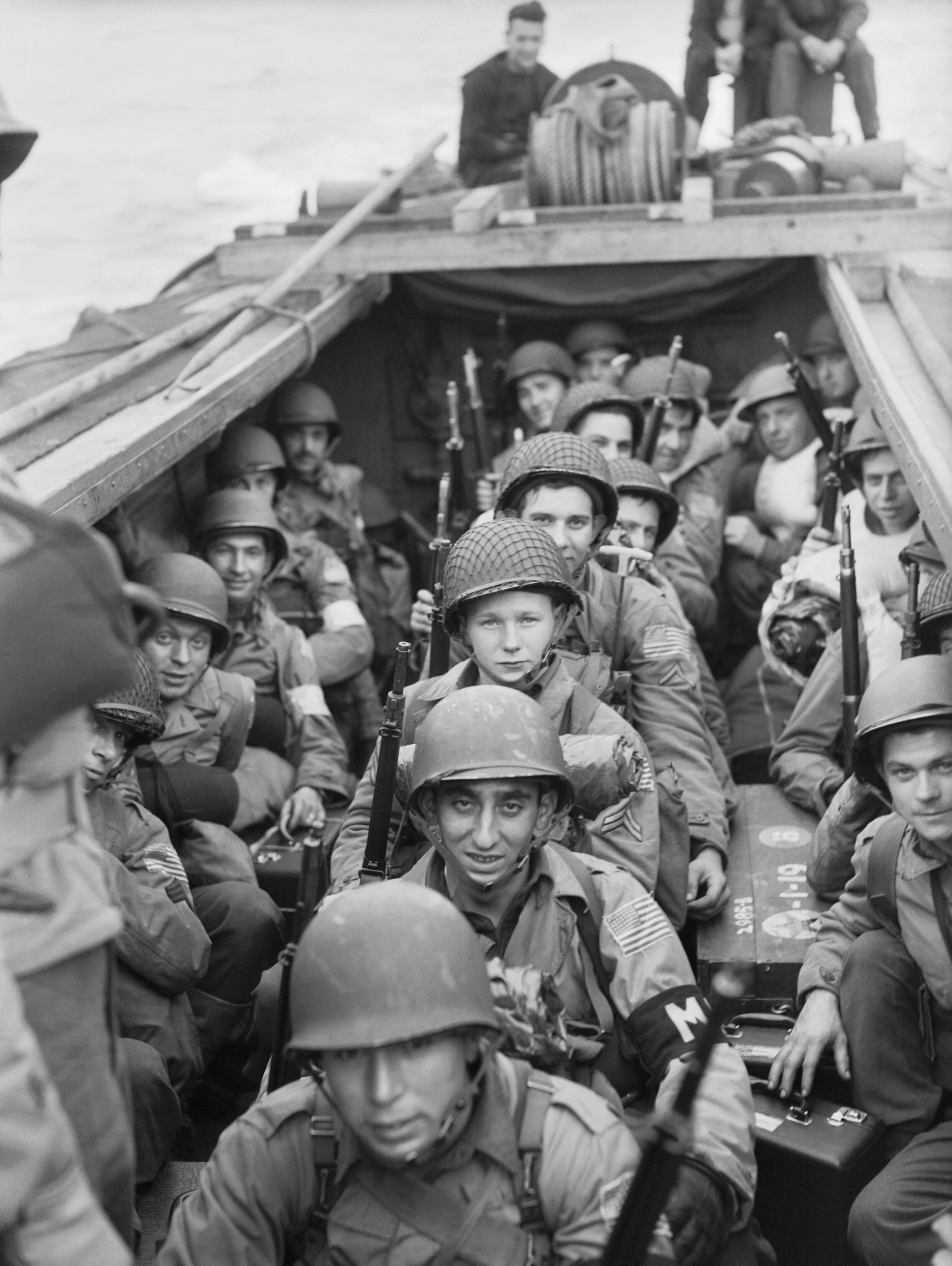
Imagine the crossing. Seasick, cold, packed in tight with men you may have known for years or weeks. The sound of the sea against plywood. Then the ramp drops — and the world becomes noise, water, and the imperative to move forward. That was the soldier's experience of the Higgins boat on 6 June 1944.
Over 1,500 LCVPs were deployed on D-Day alone. At Omaha Beach, where the fighting was most ferocious, the difference between a craft that beached correctly and one driven off course by current could be measured in survival rates. The design performed. The navigation sometimes didn't. Both things are true.
British and Canadian troops at Gold, Juno, and Sword beaches also crossed the Channel in variants of the same basic design. This wasn't purely an American story — it was an Allied one, built on an American hull.
Some Say Eisenhower Was Right. Others Say the Higgins Boat Has Been Romanticised. Which Side Are You On?
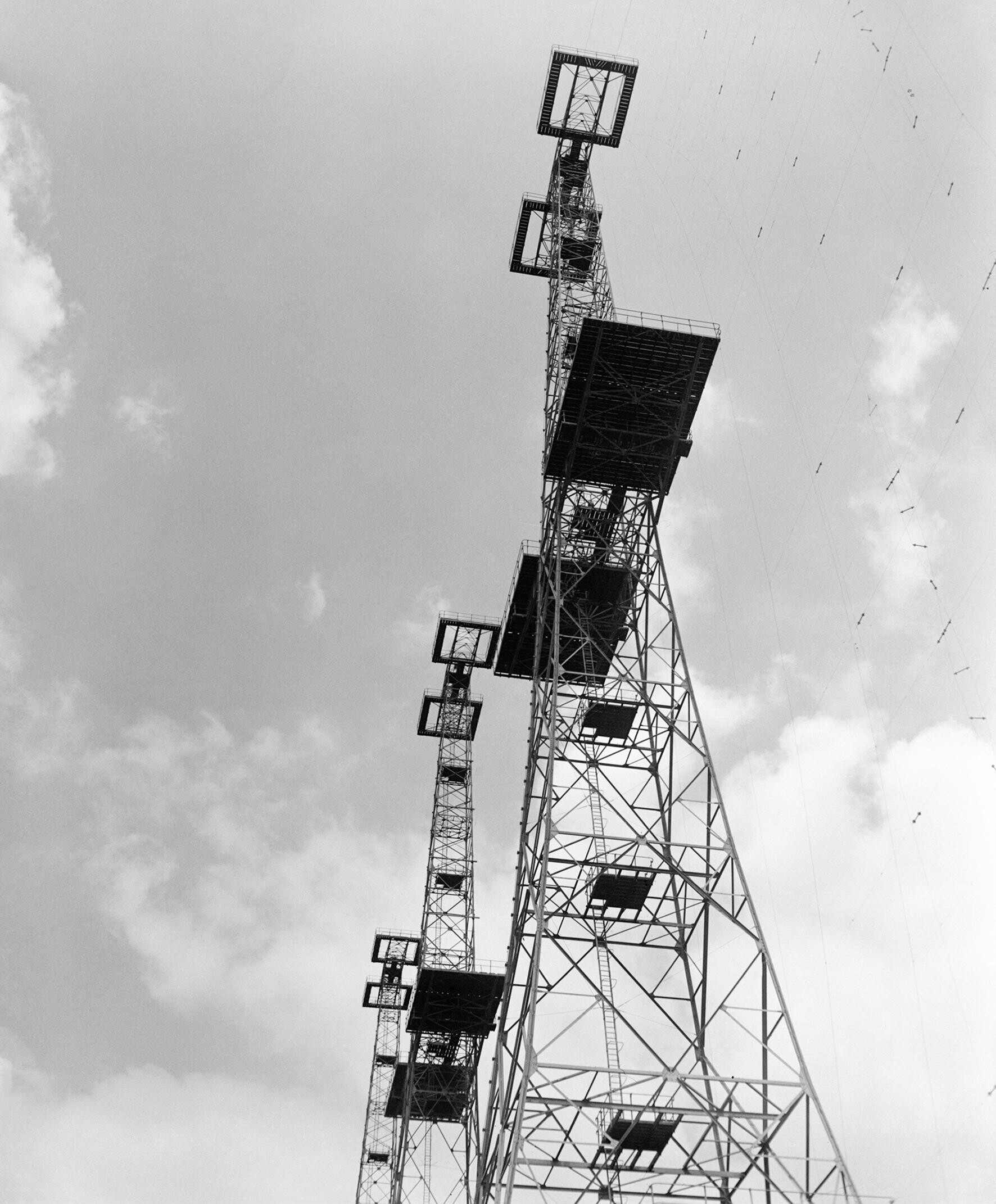
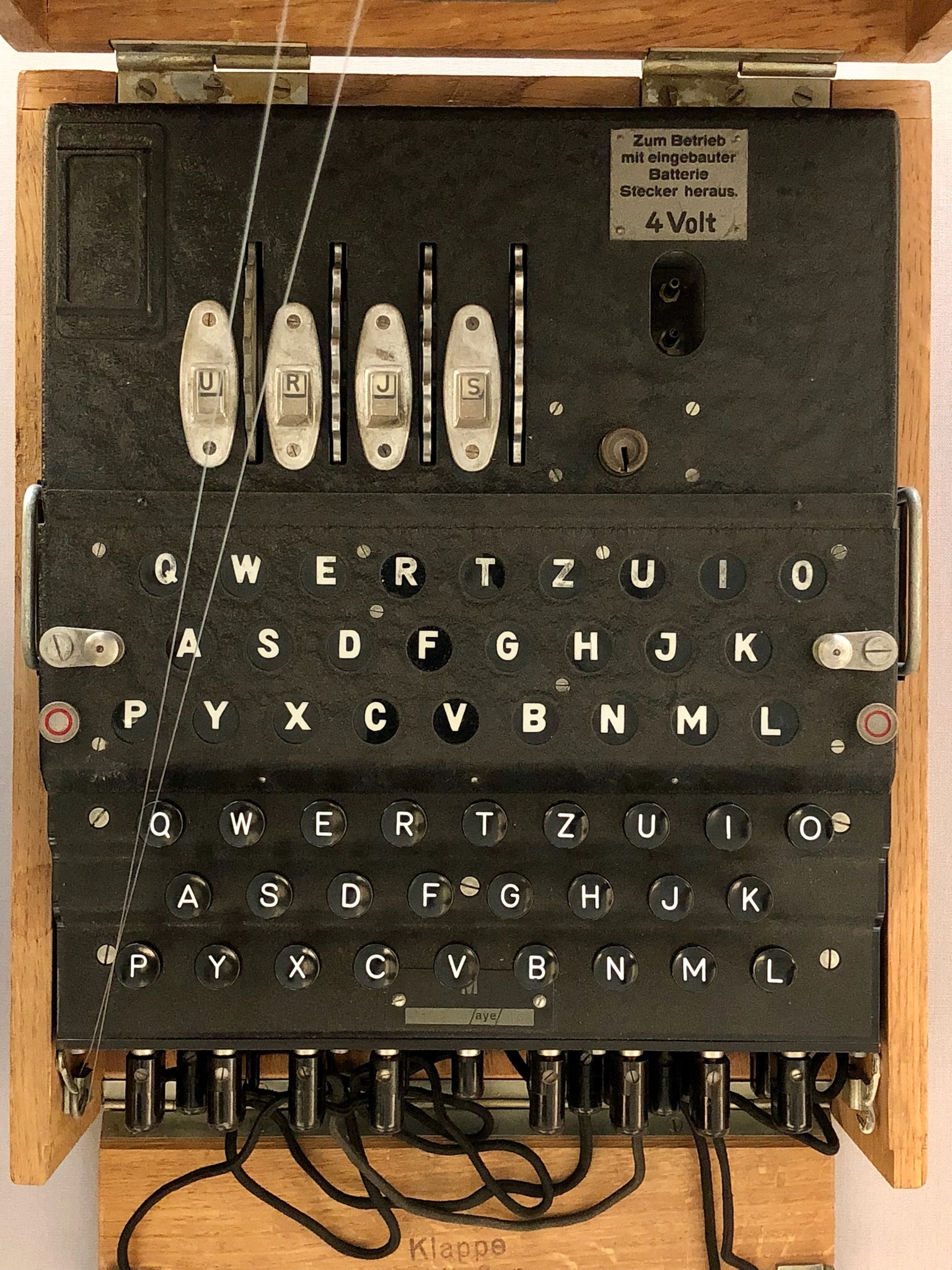
The steel-man counter-argument deserves a fair hearing. Ultra intelligence told the Allies where the Germans were weakest. Air superiority suppressed the beach defences. The P-51 Mustang owned the skies over Europe in ways that made ground operations possible. The M1 Garand gave American infantry a rate of fire no individual weapon had previously achieved. Wars are won by systems, not single items of kit.
There's also a legitimate case that Higgins-focused narratives sideline the British LCA — Landing Craft Assault — which carried thousands of Allied troops on D-Day and whose contribution is frequently lost in American-centric retellings.
And supreme commanders are not always the most reliable historians of their own victories. Eisenhower may have simplified for effect, reaching for a compelling image of American industrial ingenuity at a moment when that story needed telling. Most compelling images contain some truth and omit some complexity.
So the question stands: if Higgins had never built his boat — if the Navy's inferior fixed-bow design had gone to war instead — would the Allies have found another way? Or would the beaches of Normandy have remained unreachable?
The Legacy: 20,000 Boats, One Name Nobody Remembers at the Dinner Table
More than 20,000 Higgins boats were built across the war. They were used in every major Allied amphibious operation — the Mediterranean, the Pacific, the Channel. No single piece of equipment touched more theatres of the war, or carried more lives toward the moment of decision.
After the war, military contracts dried up almost overnight. Higgins Industries collapsed. Andrew Higgins died in 1952 without the household-name status enjoyed by the generals his boats had served. The irony is sharp enough to draw blood.
His legacy lives on most visibly in New Orleans, where the National WWII Museum — an institution his story helped inspire — stands as one of the finest military history experiences in the world. If you haven't visited, or explored it online, it's worth your time.
Wars are decided on beaches. But they are won in factories, drawing offices, and the minds of stubborn people who refuse to accept that the existing design is good enough. Andrew Higgins refused. Twenty thousand boats later, the Allies were ashore in France.
Whether that makes him the man who won the war, or simply the right man with the right boat at the right moment in history — we'll leave that one open.