HMS Hood was Britain's floating symbol of empire — but Bismarck was Germany's cutting-edge killing machine. When these naval titans clashed in the Denmark Strait, only one would survive the encounter.
For twenty years, Hood had ruled the waves unchallenged. In six devastating minutes on May 24, 1941, that supremacy died with her crew.
The Mighty Hood: Britain's Floating Symbol of Empire
For two decades, HMS Hood dominated the seas as the world's largest warship. Her imposing silhouette became synonymous with British naval supremacy across every ocean.
At 860 feet long, she stretched longer than three football pitches end-to-end. Every port she visited, crowds gathered to witness this floating fortress that embodied the Empire's might.
But beneath her impressive exterior lay a fatal weakness few understood. Hood's design prioritized speed over protection — a World War I compromise that would prove catastrophic twenty years later.
Her deck armor measured just three inches in critical areas. For a ship designed to engage enemy battleships, this was dangerously inadequate against plunging shells fired at extreme range.
Enter the Bismarck: Germany's Answer to British Dominance
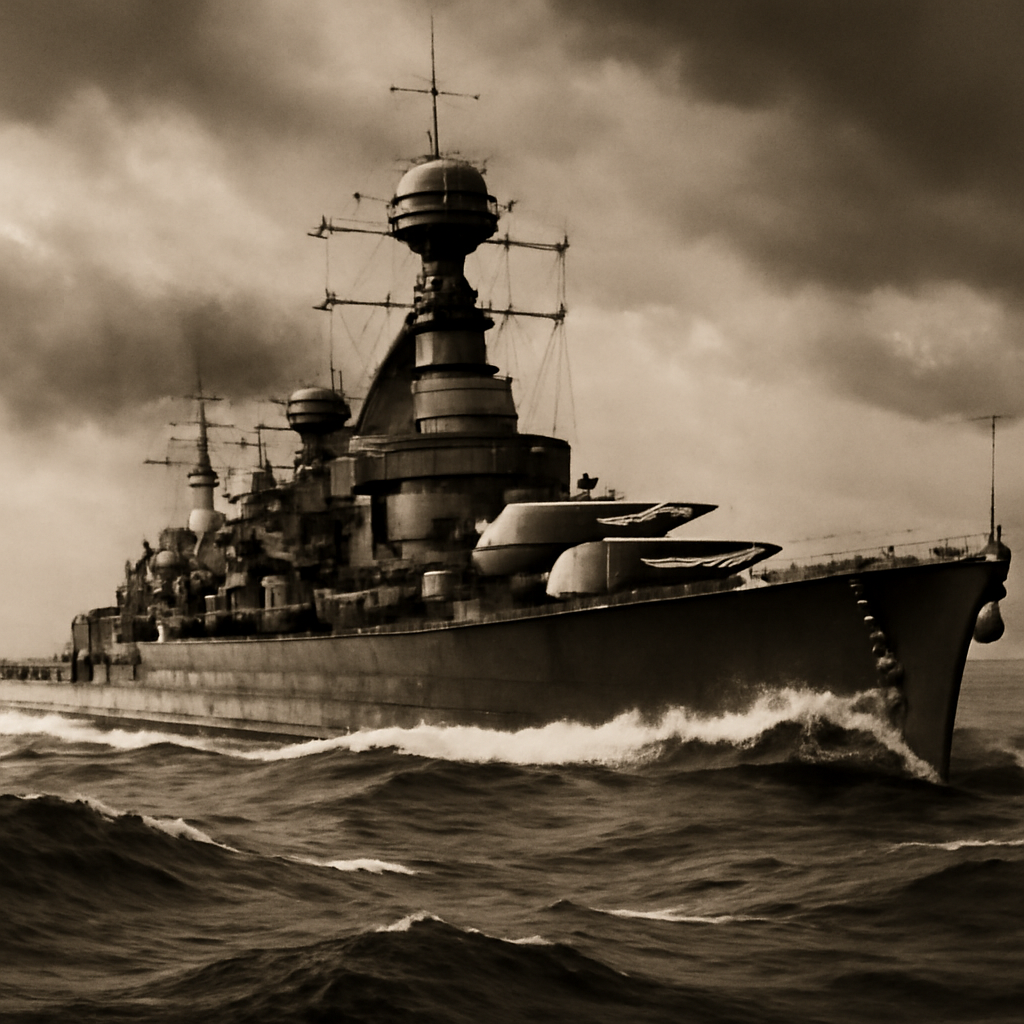
Hitler's newest battleship represented cutting-edge German engineering that incorporated every lesson learned from the Great War. Modern fire control systems gave her deadly accuracy at ranges that would challenge any opponent.
Her thick armor plating was designed specifically to withstand the heaviest shells the Royal Navy could throw at her. Unlike Hood's WWI-era design, Bismarck embodied the future of naval warfare.
The stage was set for a clash between old pride and new technology. British tradition versus German innovation. Empire versus Reich.
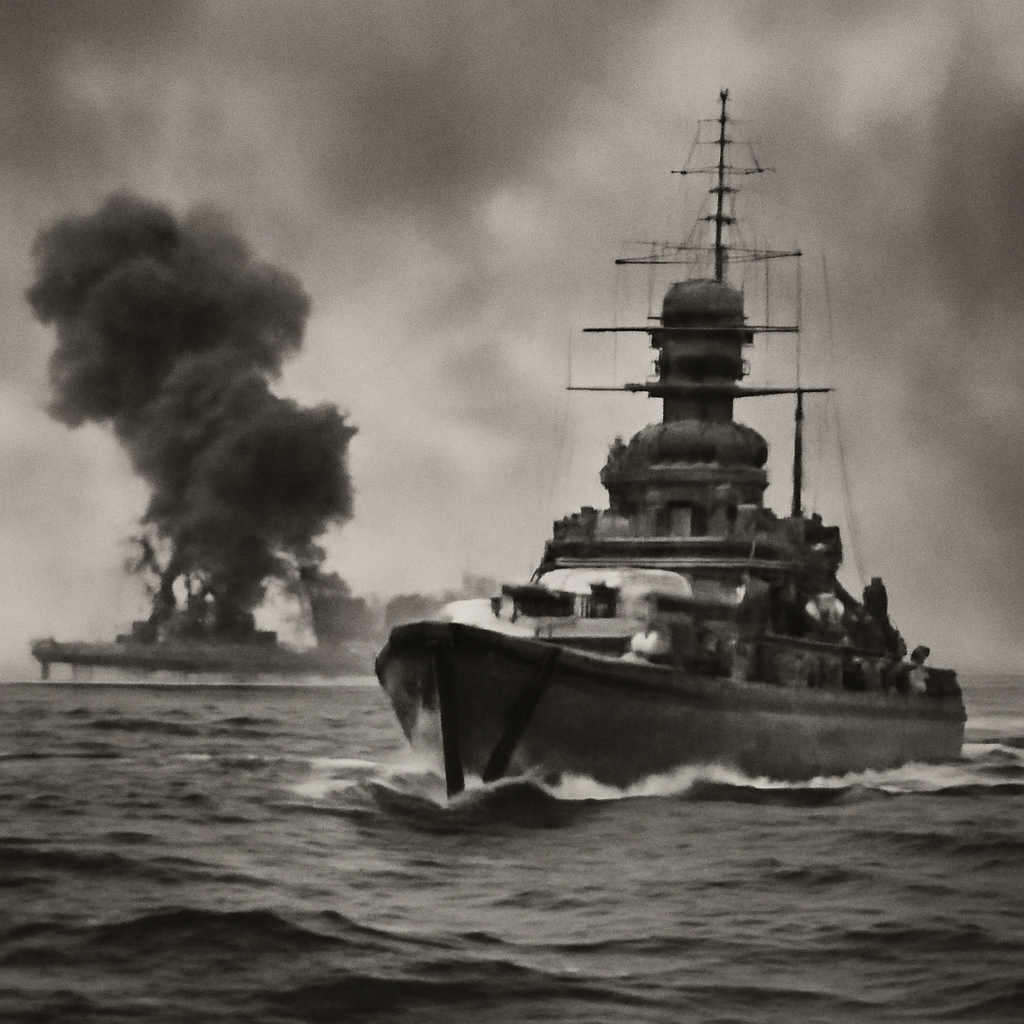
The Hunt Begins: Operation Rheinübung Unfolds
May 1941: Bismarck breaks into the Atlantic to terrorize the merchant shipping that kept Britain alive. Admiral Holland aboard HMS Hood receives urgent orders to intercept before the German raider could reach the convoy routes.
Prince of Wales joins the hunt — Britain's newest but largely untested battleship with crew still learning her systems. The Denmark Strait becomes the chosen battlefield, a narrow passage between Iceland and Greenland shrouded in ice and fog.
Both sides knew this encounter would decide Atlantic supremacy for the rest of the war.
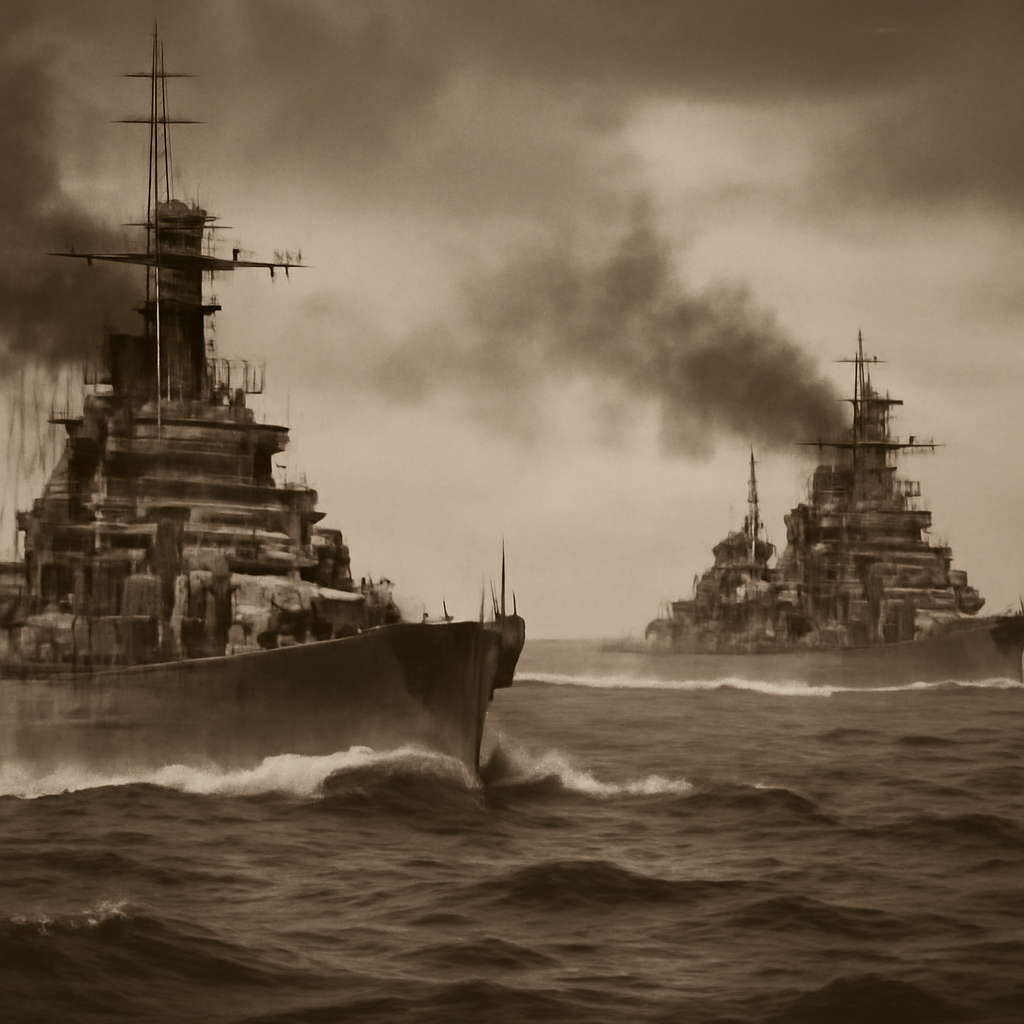
Six Minutes That Changed Naval History Forever
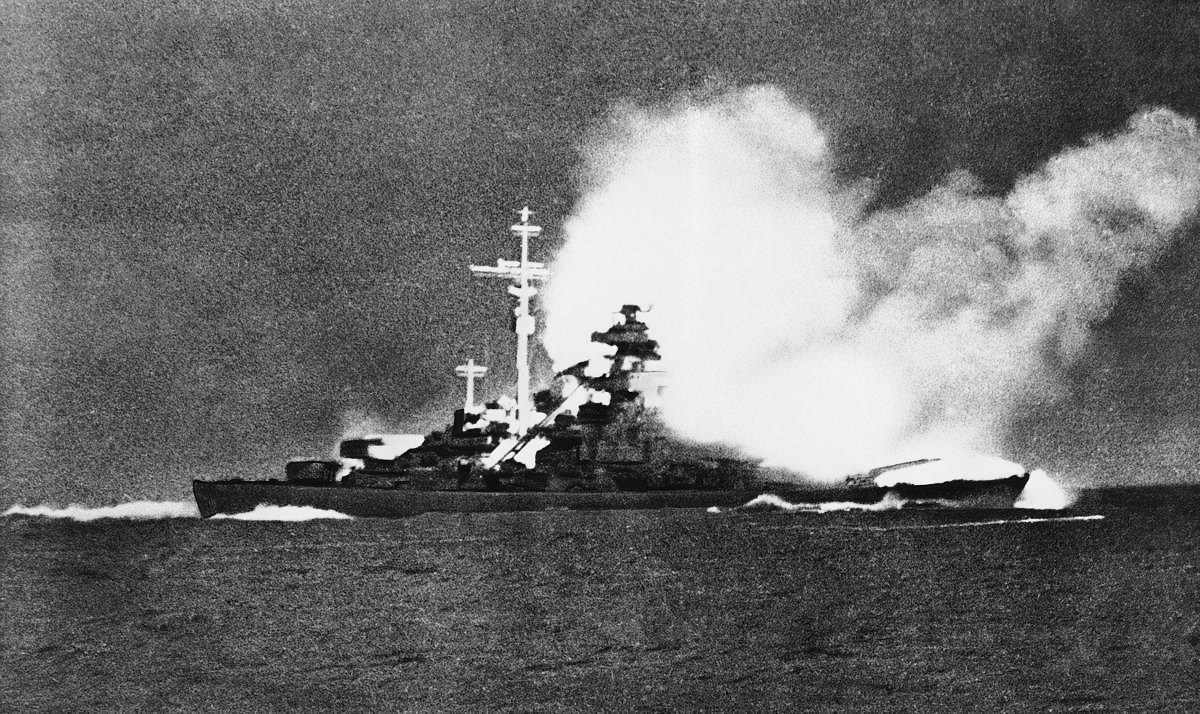
05:52 hours: Hood opens fire at maximum range — 26,000 yards across the grey dawn waters. Her massive guns roar defiance at the German intruders.
Bismarck's response is methodical and deadly. Her fifth salvo finds its mark with devastating precision that no British admiral had anticipated.
A massive explosion tears Hood apart amidships in seconds. The pride of the Royal Navy simply disintegrates, taking 1,419 men into the icy depths in moments that seemed to stretch forever.
Only three survivors: Midshipman Dundas, Seaman Briggs, and Seaman Tilburn. Three men from a crew of over fourteen hundred.
The Fatal Flaw: Why Hood's Armor Failed Her
Hood's deck armor was catastrophically thin — vulnerable to the very type of long-range engagement she was forced into. Plunging shells could penetrate straight through into her magazine spaces where tons of explosive cordite waited.
Planned armor upgrades had been delayed by budget cuts and then war's outbreak. The Royal Navy had gambled that her speed and firepower would compensate for her protection.
That gamble cost 1,419 lives in the Denmark Strait. German intelligence likely knew about these weaknesses, making Hood's mission almost suicidal from the start.
The Survivors' Story: Three Men Against the Arctic
Midshipman William Dundas clung to debris in water cold enough to kill in minutes. Able Seaman Bob Tilburn survived the magazine explosion by pure chance — he was in the right place when hell erupted around him.
Ordinary Seaman Ted Briggs became the battle's most famous witness, his testimony providing our only first-hand account of Hood's final moments. All three were rescued after three hours in conditions that should have been fatal.
Their survival stories remain testaments to human endurance and the random nature of battlefield survival.
Legacy of a Legend: Was Hood's Sacrifice Worth It?
Churchill's famous signal echoed across every Royal Navy vessel: "Sink the Bismarck." Hood's loss shocked Britain but unified the nation's resolve like nothing else could have.
The hunt for Bismarck became a personal vendetta for every sailor in the fleet. Three days later, the German battleship lay broken on the Atlantic floor, victim of the very fury her victory had unleashed.
Just as Britain's innovative radar technology gave them crucial advantages in other battles, Hood's sacrifice galvanized the technological and tactical improvements that would win the Atlantic war. Her crew achieved the immortality that comes only through ultimate sacrifice.
Did Hood's outdated armor design doom her from the start, or could better tactics have saved Britain's pride?