The Most Dangerous Skies on Earth — And They Flew Into Them Anyway
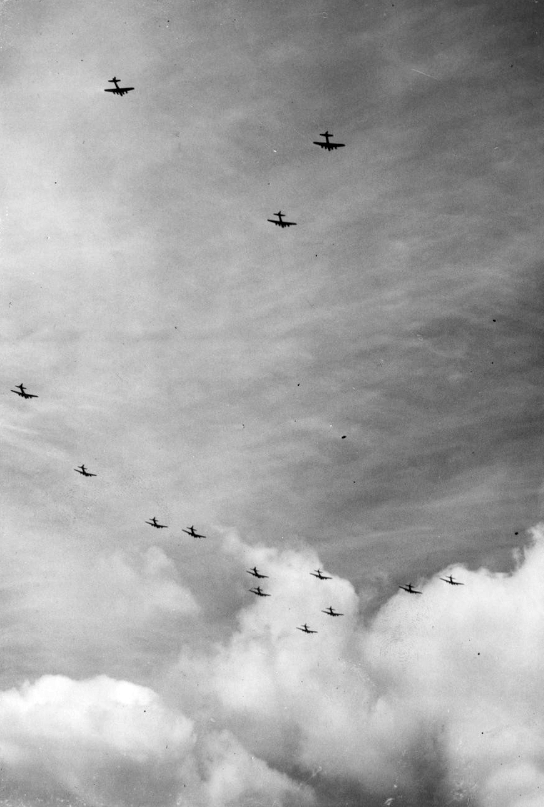
Between 1942 and 1945, the skies over Nazi-occupied Europe were the most lethal environment any airman had ever faced. Flak batteries stretched for miles around industrial targets. Luftwaffe fighters hit formation after formation before escorts could respond. And above it all, young Americans climbed into their aircraft, checked their oxygen masks, and flew in anyway.
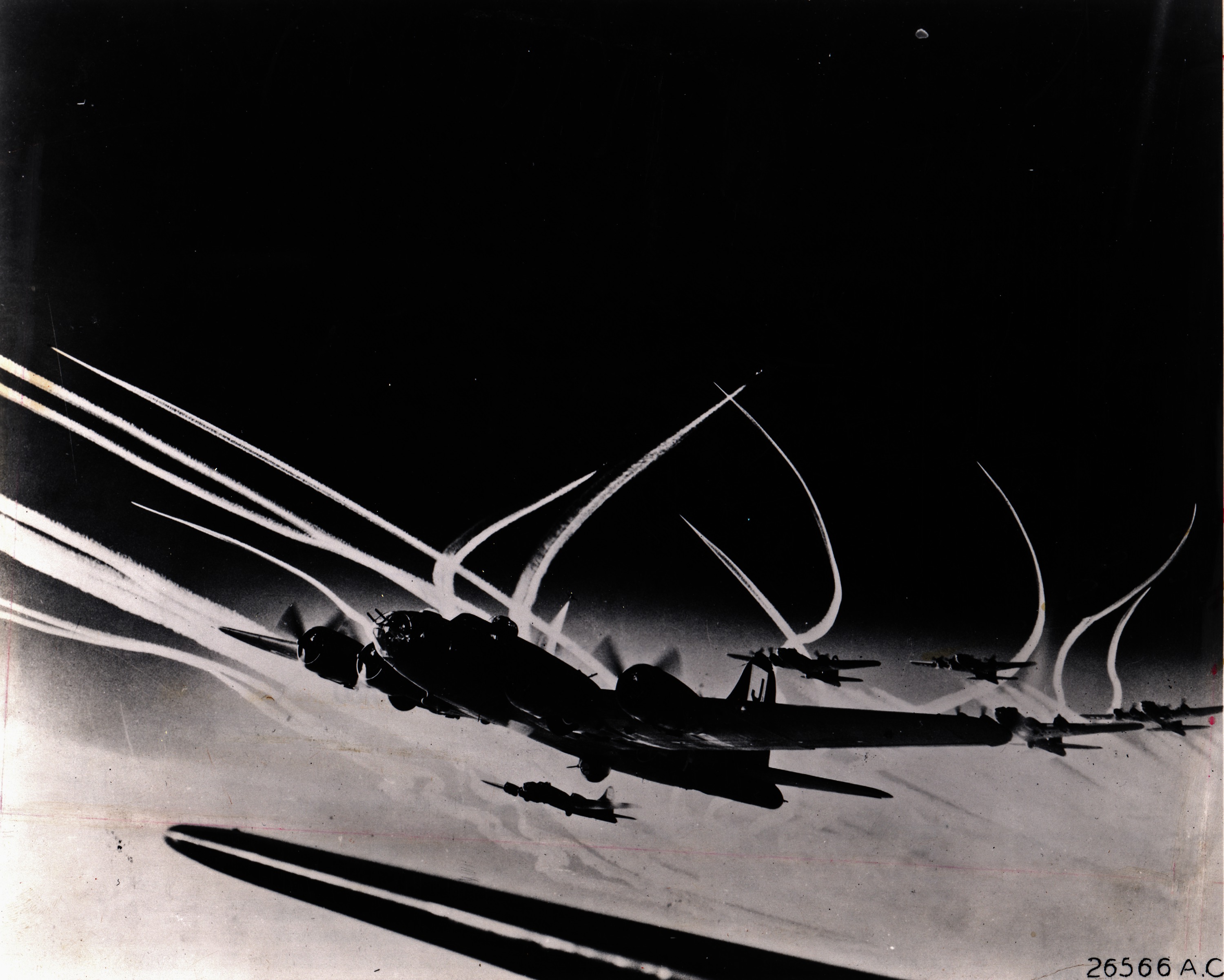
The B-17 Flying Fortress became a symbol of that defiance. Famous for limping home with engines gutted, tail sections shredded, and hydraulics shot to pieces, it built a mythology of near-indestructibility. Men trusted it with their lives. The paradox is devastating: the aircraft's reputation for surviving punishment may have sent crews to their deaths more willingly than the actual odds ever justified.
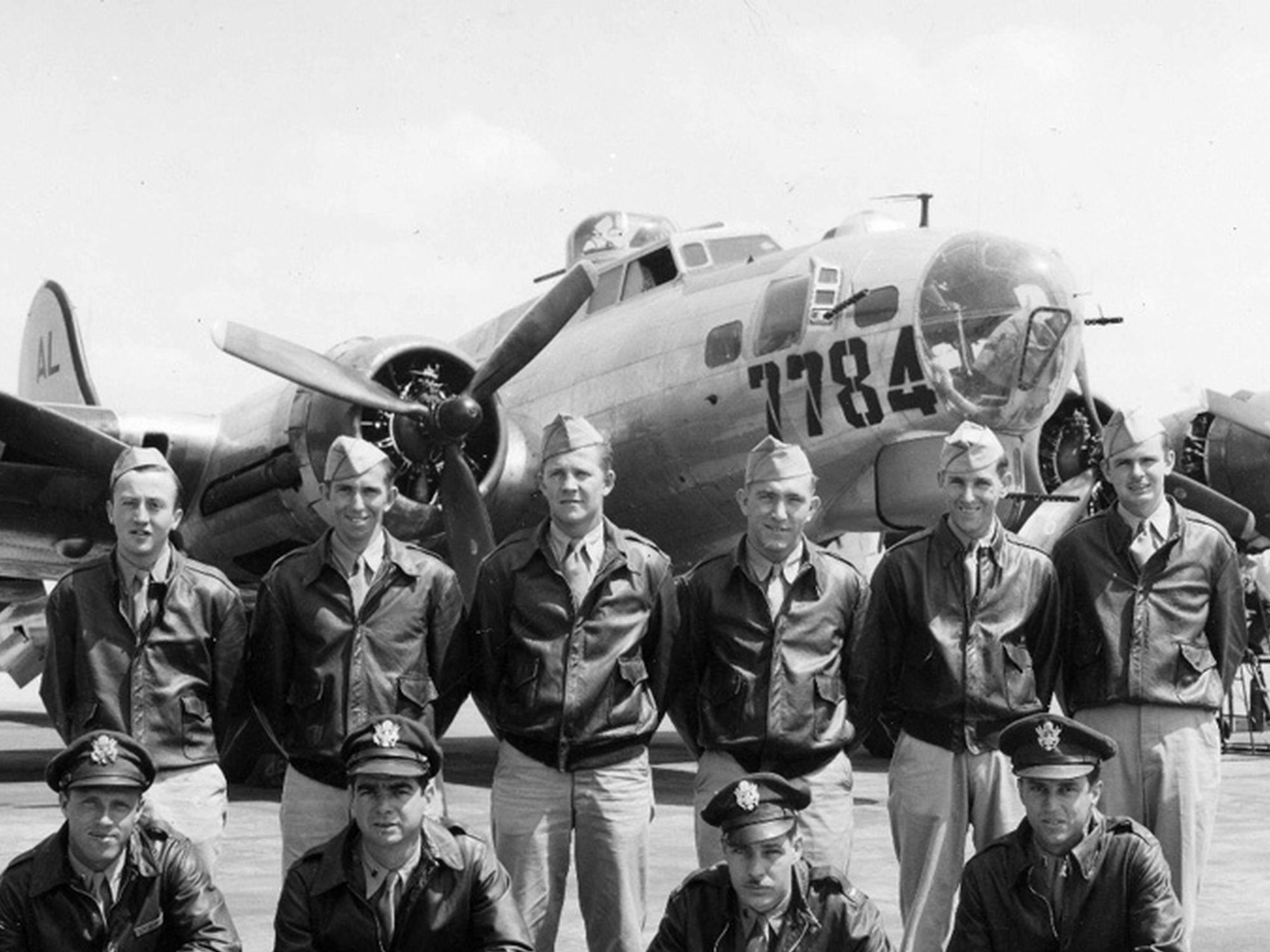
Ten men flew in each B-17. Average age under 25. Most had never left their home states before the war put them in the sky over Germany.
Built Like a Battleship: What Made the B-17 Different
Boeing's Model 299 prototype first flew in 1935, answering a U.S. Army Air Corps requirement for a long-range multi-engine bomber. What emerged was something the world hadn't seen — a bomber designed from the ground up to take punishment and keep flying.
Redundant systems, self-sealing fuel tanks, and an airframe engineered to absorb structural damage made it genuinely different from anything else in the sky. Armed with up to 13 .50 calibre machine guns covering every angle of approach, the name "Flying Fortress" wasn't just marketing copy. It was a statement of intent.
But here's the contrarian read: was some of that reputation carefully cultivated by the U.S. war machine to keep crews willing to fly missions with brutal loss rates? A bomber that men believed in was a bomber that kept flying. Belief, in wartime, is a strategic asset.
Compare it briefly to the British Avro Lancaster — a different philosophy entirely. The Lancaster flew at night, carried a heavier bomb load, and didn't bristle with defensive guns the same way. Two brilliant aircraft. Two completely different answers to the same brutal question. Aviation enthusiasts have argued about which philosophy was right ever since, and they haven't stopped.
The Ten Men Inside: Roles, Bonds, and the Lottery of Position
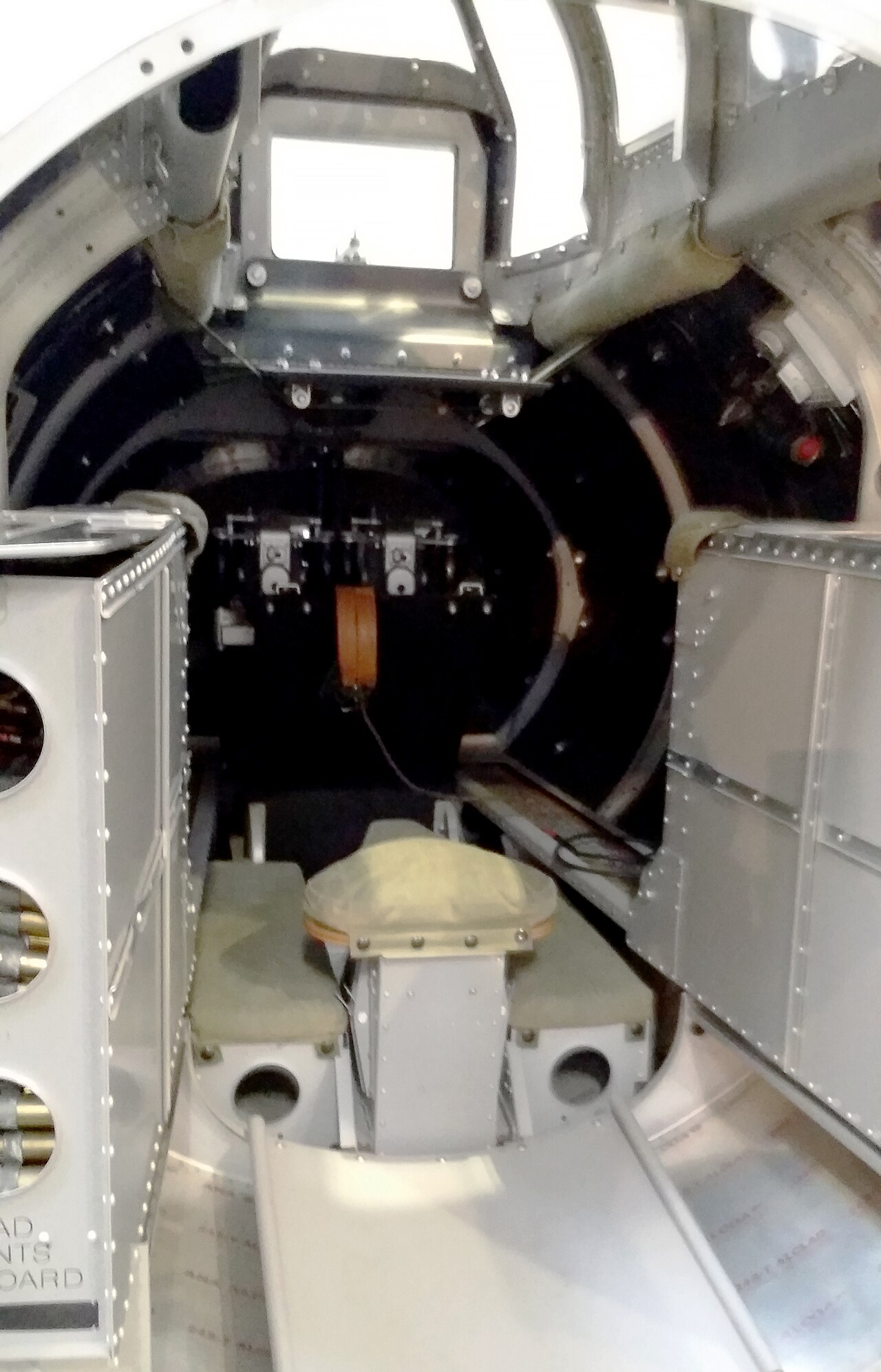
Every B-17 carried a pilot, co-pilot, navigator, bombardier, radio operator, and five gunners — including the tail gunner and the ball turret gunner, who crouched in a perspex sphere beneath the fuselage. Those two positions carried statistically higher casualty rates. When crews drew assignments, some men drew shorter straws than others, and everyone knew it.
Rank and background created subtle social divisions inside the aircraft — officers in the nose, enlisted men in the waist and tail. But those distinctions dissolved quickly under fire. Men who had never met three months earlier would throw themselves across an aircraft to reach a wounded crewmate. That bond was real, documented in letters and diaries that survived the war.
Crews needed 25 completed missions to rotate home. Some documented accounts describe men counting every mission like heartbeats, watching the number climb toward 25 with an almost superstitious intensity. The psychological weight of knowing that every man's survival depended entirely on every other man doing his job — under fire, while wounded, while terrified — is almost impossible to overstate.
Staggering Home: The Missions That Became Legend
The Schweinfurt raids of 1943 are among the most studied — and most costly — strategic bombing operations of the entire war. On the second raid in October 1943, the Eighth Air Force lost 77 aircraft in a single day. Over 600 American airmen were killed, captured, or missing. The ball bearing factories at Schweinfurt were back in production within weeks.
Then there's the story of All American — the B-17 that survived a mid-air collision that sliced through her rear fuselage so severely that her tail section hung connected by little more than control cables and a few metal spars. She flew home. That story became famous because it was extraordinary.
Which is exactly the uncomfortable point. These survival stories were the exceptions. For every All American, there were crews who simply vanished — no dramatic return, no photograph, no legend. In 1943, a crew's statistical chance of completing their 25-mission tour was less than one in four. The famous survivors weren't evidence that the aircraft was invincible. They were the ones who made it through a lottery most men lost.
B-17 vs Lancaster: The Argument That Never Ends
Most people think the B-17 was the definitive Allied heavy bomber of the Second World War. Unpopular opinion: the Avro Lancaster carried a heavier payload, flew further, and dropped the bombs — including the Barnes Wallis Tallboy — that actually changed specific moments in the war.
American daylight precision bombing versus British night area bombing. Two strategies. Both devastatingly costly in lives. Historians still argue about which approach caused more suffering for less strategic result. The U.S. crews flying tight daylight formations in the Eighth Air Force faced odds that should have grounded the entire programme. The RAF crews flying night raids faced their own lethal arithmetic.
What did the crews themselves think? Rare documented accounts suggest mutual respect, occasional rivalry, and a shared exhaustion that transcended national pride. The debate over which strategy was right — or less wrong — still divides aviation historians. It should divide anyone seriously interested in how the Allies actually won.
Which aircraft would you have wanted to be in? Which strategy do you think was worth the cost?
The Boys Who Flew Her: A Generation We're Losing
The average B-17 crewman came from a farm in Iowa, a factory in Ohio, or a small town in Georgia. He was 20 to 24 years old. Many had never seen the ocean before their troopship crossed the Atlantic. Thousands ended up based in the flatlands of East Anglia, living alongside British families who housed them, fed them, and in many cases buried them.
The last surviving B-17 veterans are now in their late nineties. Their firsthand accounts — the ones not yet recorded, not yet written down — are disappearing with them. The airmen who ended up as prisoners of war left some of the most vivid records we have. Those who didn't survive left almost nothing.
Museums and memorial sites across East Anglia still preserve both the aircraft and the stories. The American Air Museum at Duxford, the Mighty Eighth Air Force Museum in Georgia — these places carry the weight of what happened in those skies. If you have the chance to visit, go.
These were not mythical heroes. They were frightened young men who got in the aircraft anyway. Every single time. What does that tell us about what courage actually is?
So Was the Flying Fortress Worth the Cost?
The U.S. Strategic Bombing Survey, completed after the war, found that Germany's war production had actually increased in some sectors through 1944, even under sustained bombing. The report's conclusions were quietly uncomfortable for the architects of the daylight precision bombing campaign, and they were never widely publicised.
The P-51 Mustang's arrival as a long-range escort fighter in late 1943 changed the survival mathematics dramatically — but by then, thousands of crews were already gone. The question of whether strategic bombing shortened the war, or simply bled a generation of young men into European soil before the ground campaign could finish the job, remains genuinely unresolved.
Some say the B-17 and the men who flew her broke Germany's industrial capacity and made D-Day possible. Others say the cost on the ground tells a different story about where the war was actually won and lost. Both arguments have evidence behind them. Neither one is comfortable.