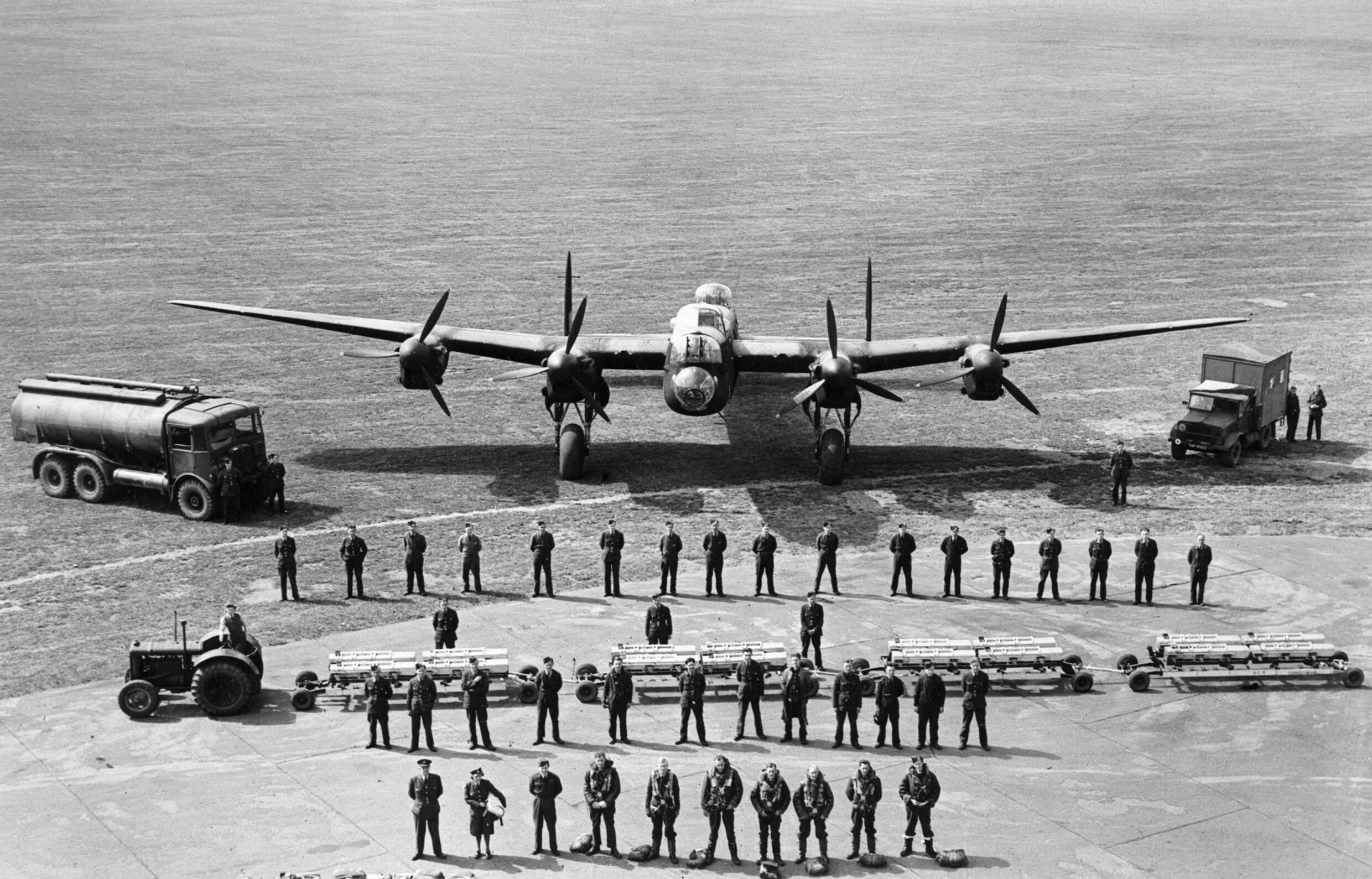
When the Halifax gets all the glory as Bomber Command's workhorse, who remembers the Lancaster wasn't even supposed to exist? The Avro Lancaster became Britain's most famous heavy bomber through sheer accident - a desperate fix to a catastrophic failure that ended up defining the air war over Germany.
When the Halifax Gets Forgotten, Who Remembers the Lanc's Real Competition?
The Short Stirling came first, rolling off production lines in 1940 with all the promise of Britain's new four-engine heavy bomber. But the Air Ministry's specifications had doomed it from the start - wingspan restrictions meant it couldn't climb above 17,000 feet, making it a sitting duck for German fighters.
The Handley Page Halifax was supposed to be the real answer. Faster and more agile than anything else in the sky, it could dance around Messerschmitts while carrying a decent bomb load. But those dancing days ended quickly when Halifax after Halifax started shedding their tails mid-flight, spinning into German fields with their crews trapped inside.
Roy Chadwick's Lancaster design wasn't the Air Ministry's favourite child. It was the unwanted stepchild of a failed project, cobbled together when everything else was going wrong. Sometimes desperation breeds brilliance.
The Manchester's Failure Created a Legend
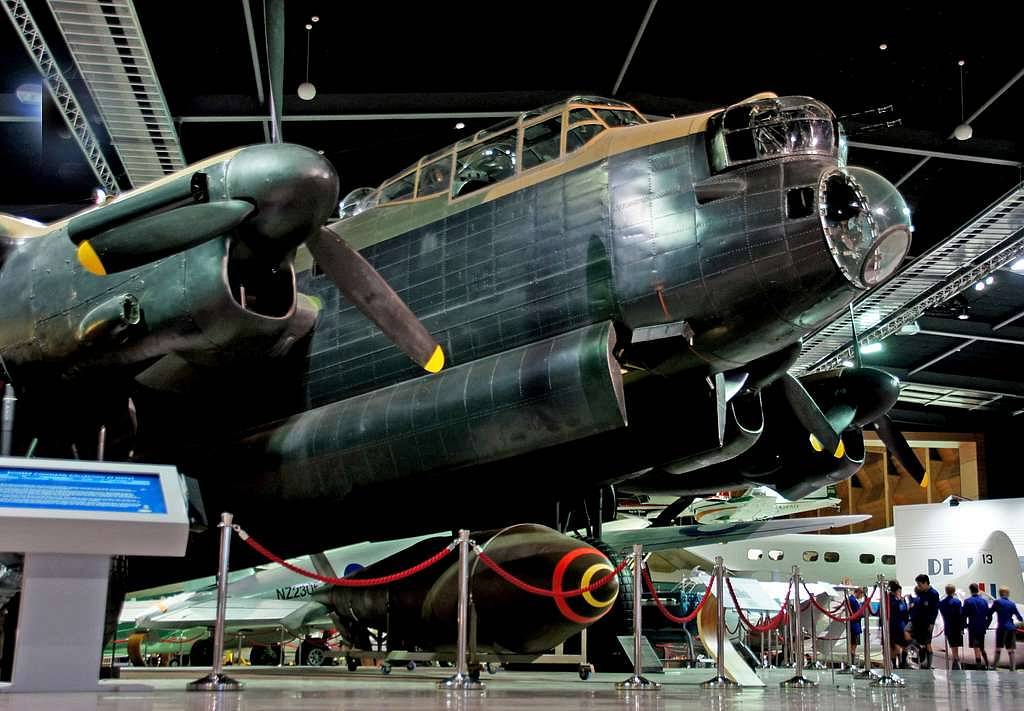
The Avro Manchester nearly killed the company that built it. Powered by twin Rolls-Royce Vulture engines that had a disturbing habit of catching fire or simply stopping mid-flight, the Manchester was a death trap with wings. Crews refused to fly them, and who could blame them?
But Chadwick saw salvation in the wreckage. Strip out those temperamental Vultures, bolt on four reliable Merlin engines, and suddenly you had something extraordinary. The first prototype flew in January 1941, and test pilot Captain 'Bill' Thorn's report was short and sweet: "She flies like a fighter."
A heavy bomber that handled like a fighter? That was the magic formula nobody had dared dream about.
22,000 Feet Over the Ruhr: What the Statistics Don't Tell You
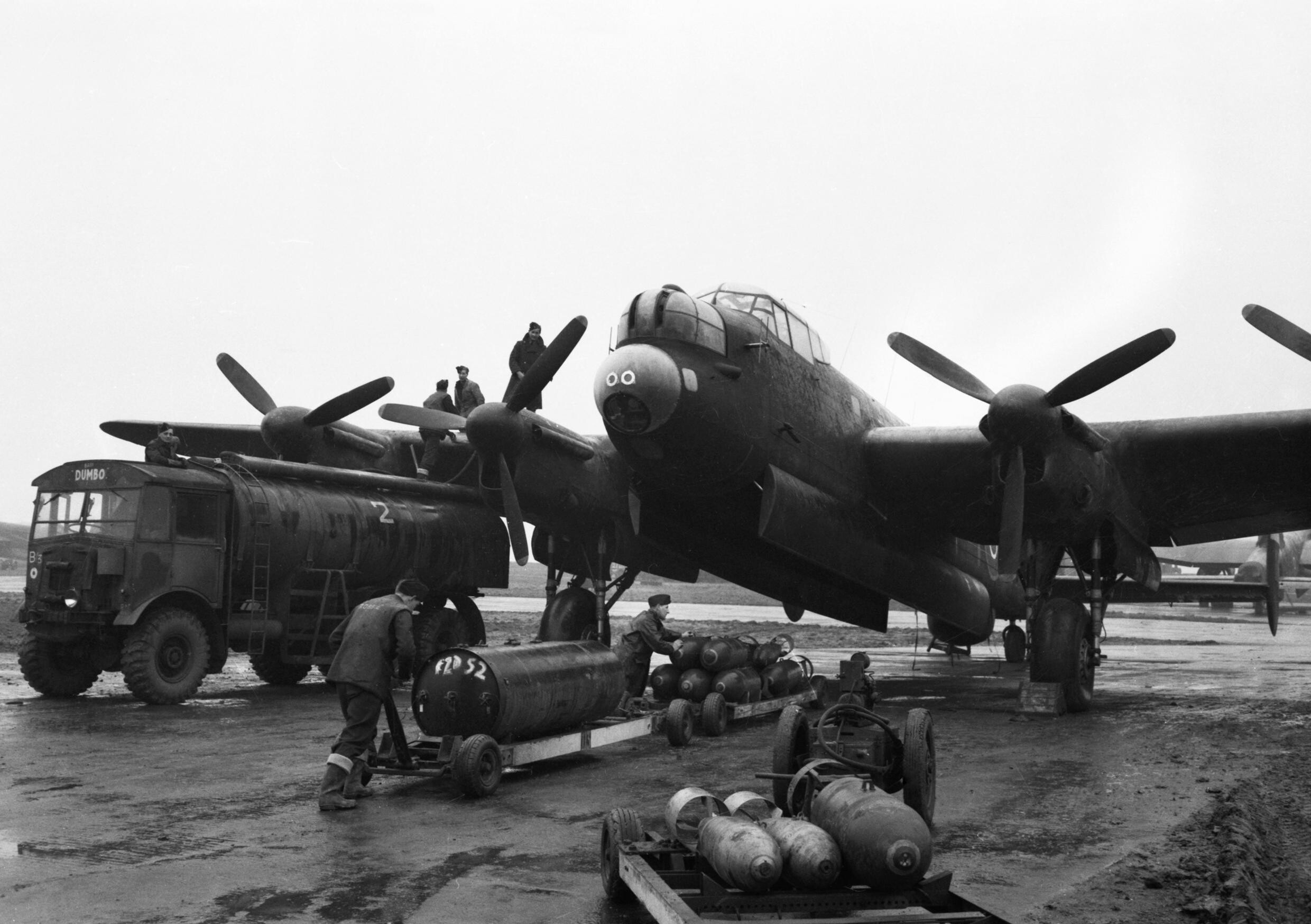
Behind the stirring propaganda and Churchill's speeches lay numbers that would chill any parent's blood. Bomber Command suffered a 44% casualty rate - worse than the infantry slogging through Stalingrad's frozen hell. The average crew member was 22 years old with a 1-in-6 chance of completing his tour.
A "tour" meant 30 operations when most crews were dead, missing, or prisoners after their 14th mission. The experienced crews actually faced higher casualty rates - German defenses improved faster than crew skills, and veteran pilots drew the most dangerous assignments.
These boys weren't heroes in some abstract sense. They were heroes because they kept climbing into their aircraft knowing the mathematics of death were stacked against them.
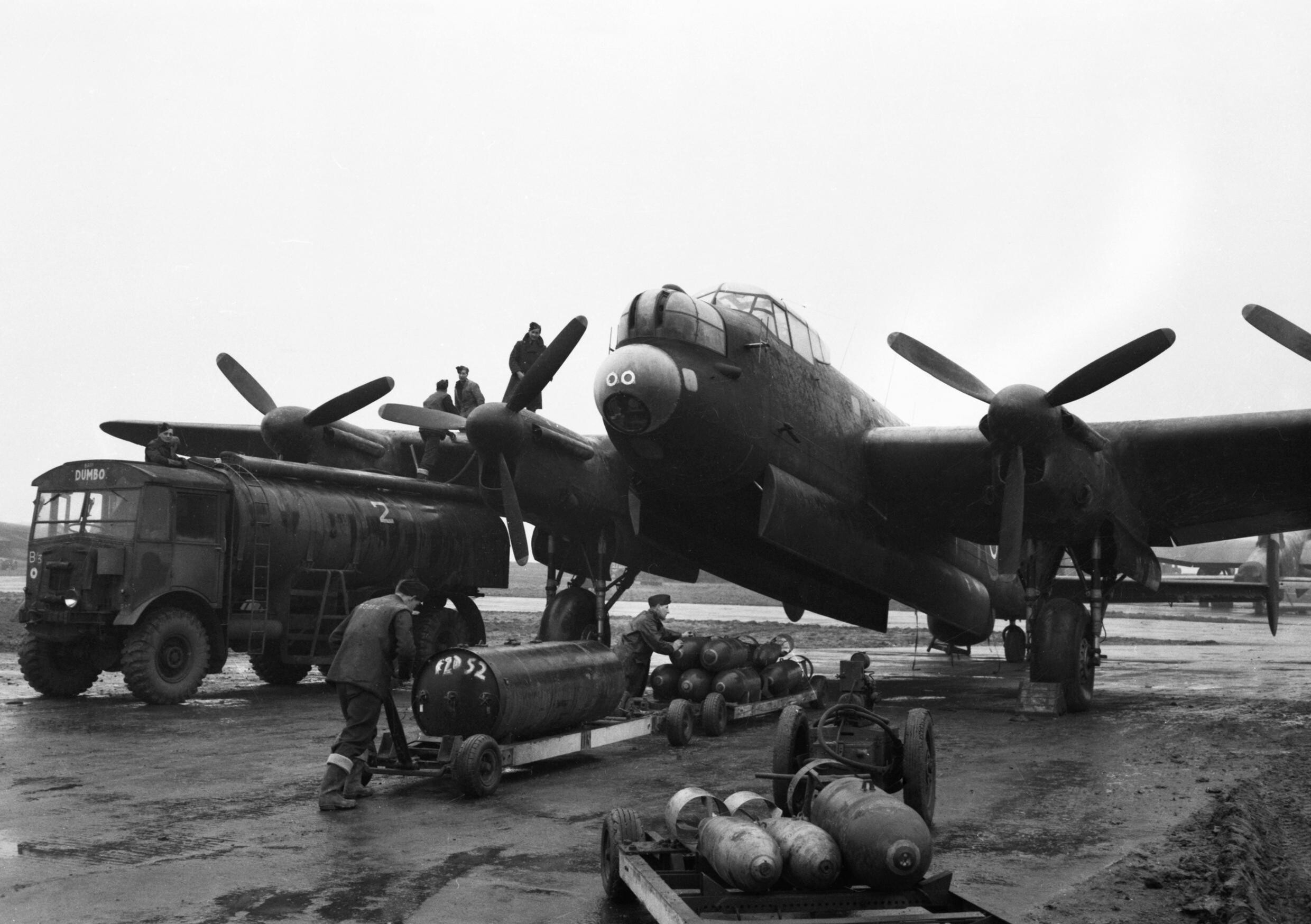
Inside the Lanc: Seven Men in a Flying Coffin
Picture a 21-year-old pilot commanding a £50,000 aircraft and six lives - more responsibility than most colonels carried. Behind him sat the navigator, plotting courses through flak fields using slide rules and dead reckoning while the aircraft bucked through German searchlights.
The rear gunner had the loneliest job in the war, isolated in his Perspex turret with a 40% death rate. When fighters attacked, he was usually the first to die and the last to be rescued if the aircraft went down.
The wireless operator often doubled as the crew's unlucky charm - superstitious airmen believed certain operators brought bad luck. The bomb aimer had perhaps the most psychologically damaging role: watching entire city blocks disappear in flames from 20,000 feet, knowing families were dying in those fires below.
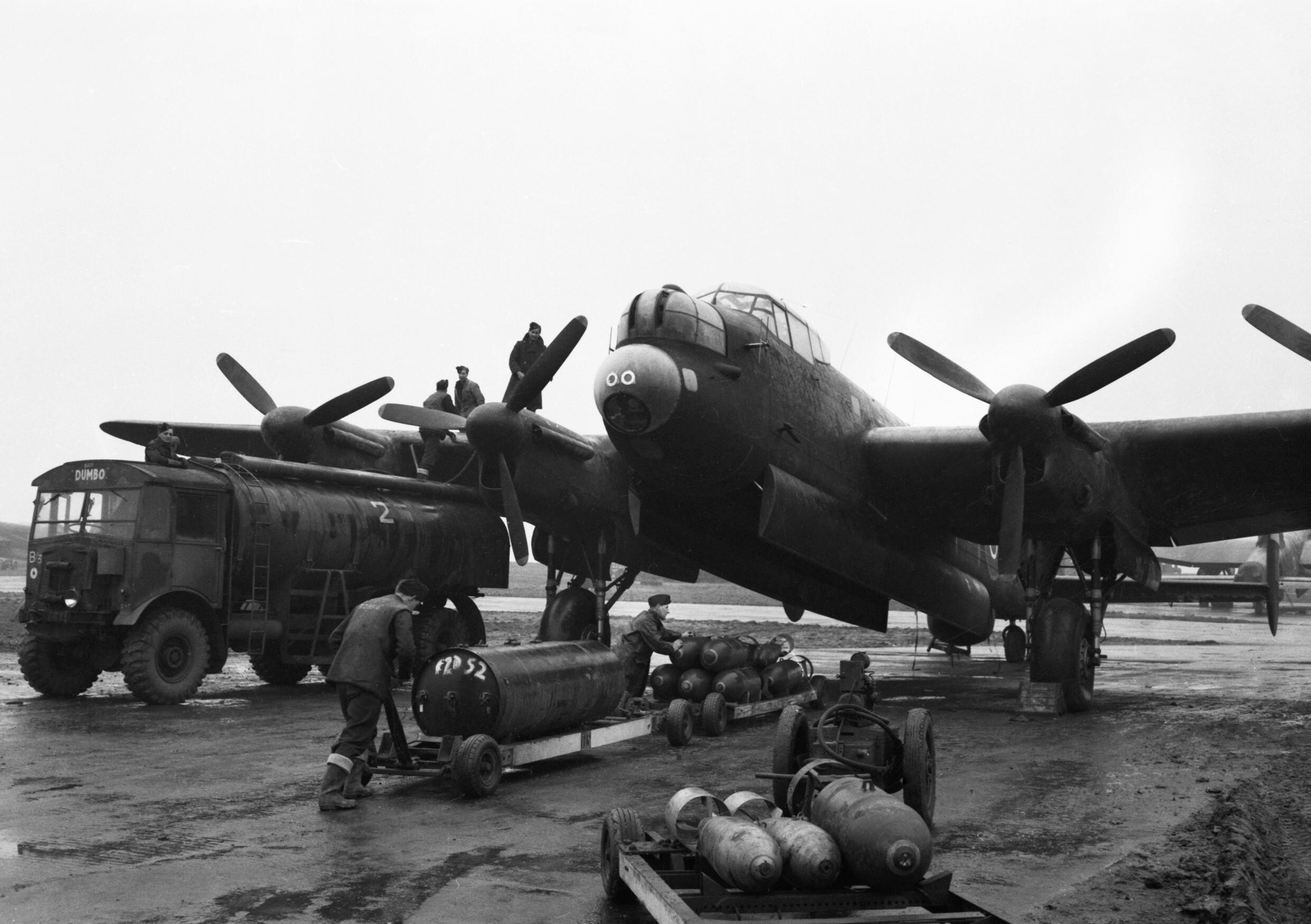
The Dambusters Myth vs. Reality
Operation Chastise made Guy Gibson a household name and gave Britain a propaganda victory when it desperately needed one. But the tactical results? The Ruhr dams were back in operation within weeks, and 56 airmen died for what amounted to a spectacular publicity stunt.
Gibson's celebrity actually masked Bomber Command's real war - the thousand-bomber raids that systematically dismantled German industrial capacity. The Dambusters raid was glamorous; the nightly grind over the Ruhr Valley was the work that actually mattered.
But nobody writes songs about bombing ball-bearing factories.
Were These Boys Heroes or War Criminals?
Dresden. Hamburg. Cologne. The names hang over Bomber Command's legacy like storm clouds. Arthur Harris earned the nickname "Butcher Harris" for his unwavering commitment to area bombing - hitting entire city centers rather than precision military targets.
Many crew members questioned their orders privately but kept flying anyway. They knew they were killing civilians alongside military personnel. The uncomfortable truth is that most of them knew exactly what they were doing and did it anyway because someone had to.
Were they war criminals following illegal orders, or heroes doing an ugly job in a total war? The question still divides historians today.
The Lanc's Legacy: More Than Just Metal and Rivets
Of 7,377 Lancasters built, 3,249 never came home. The aircraft that was supposed to be a stopgap measure became the backbone of Britain's strategic bombing campaign, carrying more ordnance to German targets than any other Allied bomber.
But the Lancaster couldn't win the war alone - it took the combined efforts of British bombers, American daylight raids, and Soviet ground offensives to bring Germany to its knees, much like how multiple fronts finally wore down Rommel's Afrika Korps.
Veterans rarely spoke about their service until decades later. The memories were too raw, the moral questions too complex. Only two Lancasters still fly today, keeping the memory alive while perhaps sanitizing the brutal reality of what they once carried into German skies.
What do you think about Bomber Command's legacy? Were these young men heroes doing an impossible job, or should we judge their actions by today's moral standards?