They called her the Grey Ghost. Japan announced her sunk on at least six separate occasions during the Pacific War — and six times, the USS Enterprise came back. For the men who served in her, and the Japanese commanders who feared her, she became something more than steel and rivets. She became a question nobody could quite answer: was this ship truly indestructible, or were her crews simply extraordinary?
They Called Her 'The Grey Ghost' Because the Enemy Kept Burying Her
Every time Imperial Japan declared Enterprise destroyed, she reappeared at the next battle. The nickname wasn't invented by the US Navy's publicity department — it came from the bewilderment of an enemy that couldn't make the sinking stick. There is something almost eerie about a warship that the enemy mourns, officially, in dispatches, and then watches steam back into range.
The paradox sits at the heart of her legend. This was a ship that absorbed punishment that broke her sister carriers — Lexington, Yorktown, Hornet — and kept fighting. Was that extraordinary engineering? Extraordinary luck? Or something harder to quantify in a damage report?
From Midway to the Kamikazes: Every Major Battle, One Ship
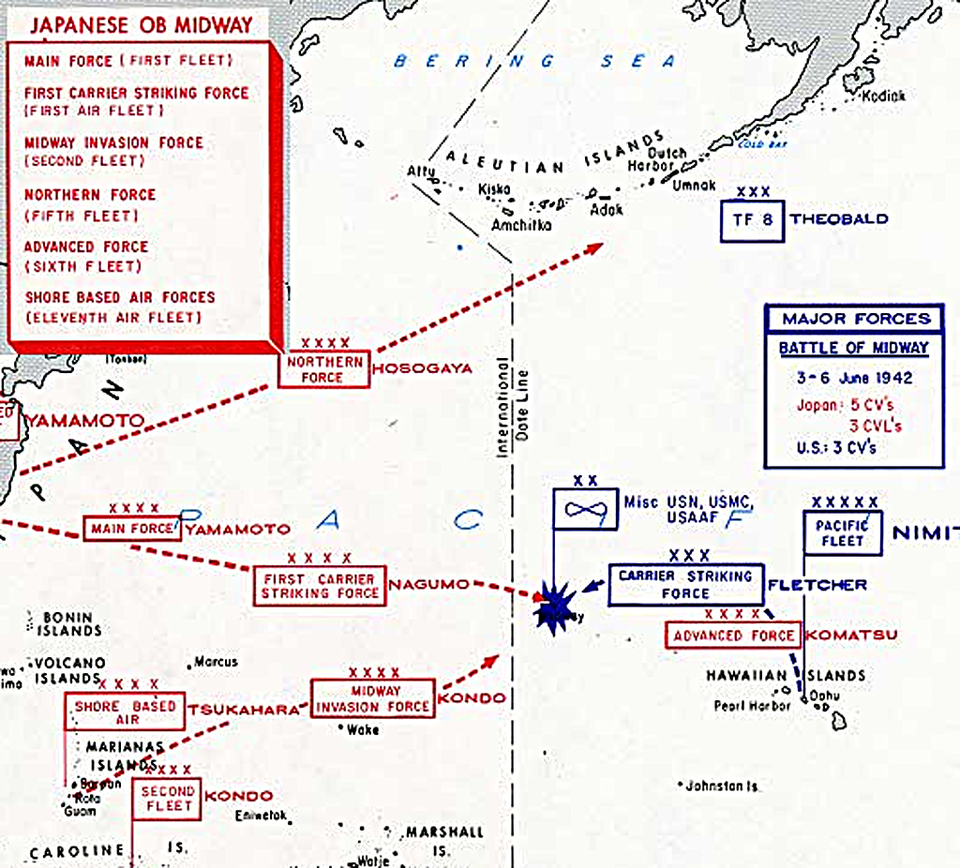
Enterprise was in the Pacific almost from the first day. She was at sea during the Pearl Harbor attack — a piece of timing that may have saved the entire US carrier force. From there, her service record reads like a complete tour of the Pacific War's decisive moments.
At the Battle of Midway, her aircraft helped sink three Japanese fleet carriers in a single morning. Most histories frame Midway as a story of codebreaking and fortune. They're not wrong — but Enterprise was there, absorbing hits, launching strikes, doing the grinding work that doesn't fit neatly into a heroic narrative.
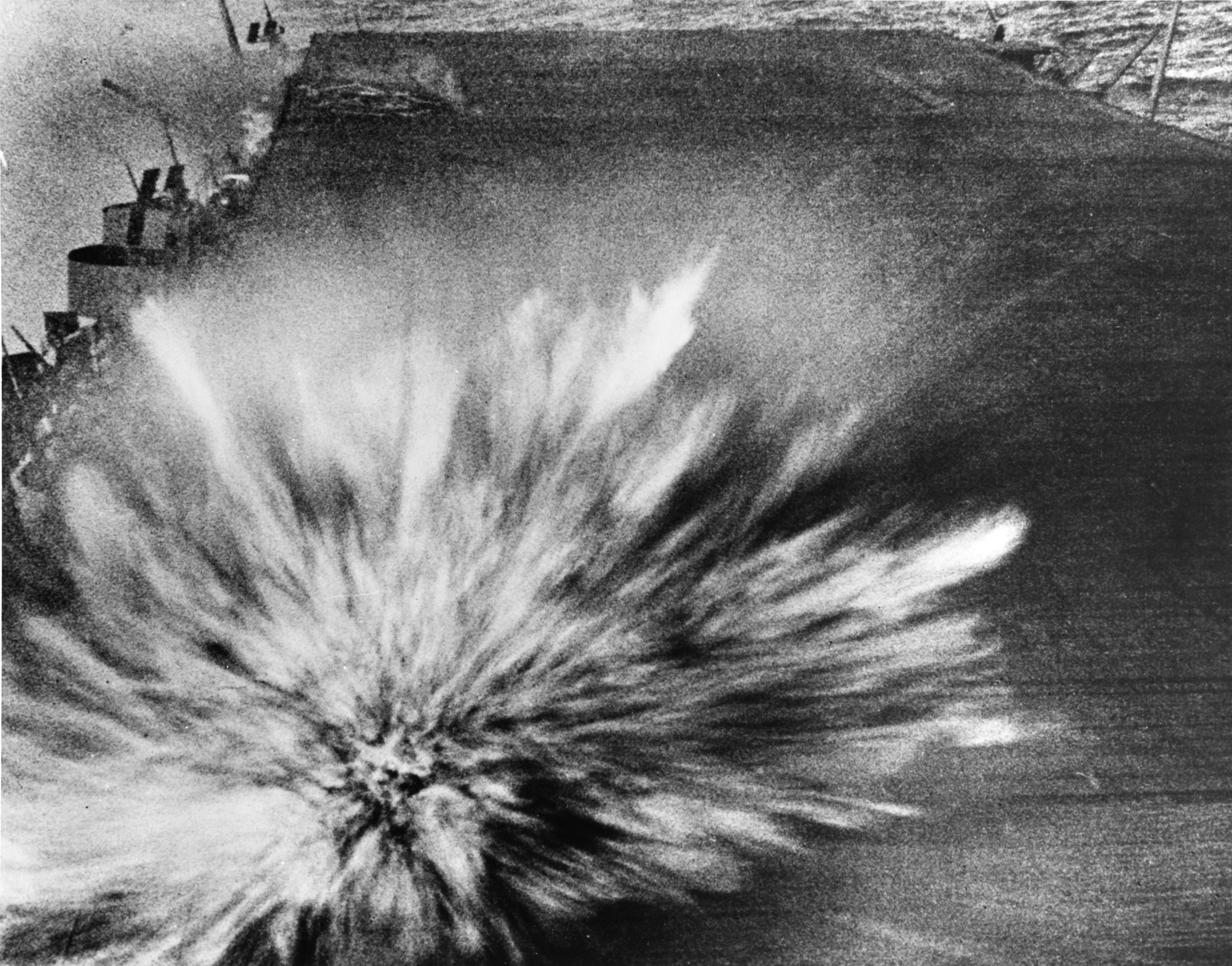
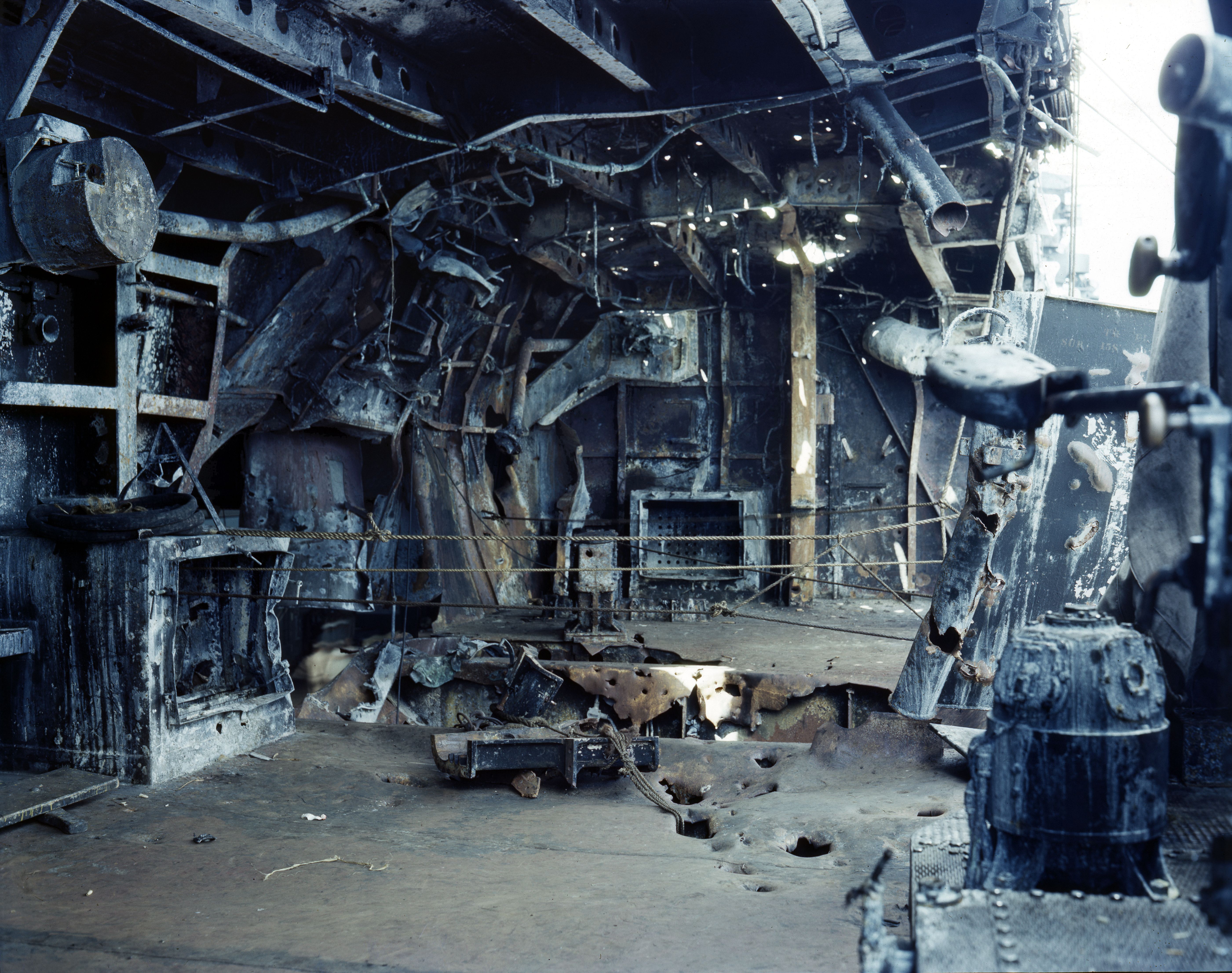
Then came Guadalcanal — arguably the most brutal attritional campaign of the entire Pacific War. Enterprise fought at the Eastern Solomons and the Battle of Santa Cruz, where she was so badly damaged that her flight deck was patched with steel plates welded under fire. She went straight back into action. When historians ask where the Pacific War was really won, the answer might be less glamorous than Midway and more honest than anyone wants to admit.
Most People Think Midway Won the Pacific War. Unpopular Opinion: The Real Reason Was Endurance
The popular belief is straightforward: Midway broke Japanese naval power, and everything after was cleanup. Unpopular opinion — that narrative is dangerously incomplete.
After Midway, Japan still had substantial carrier forces, experienced pilots, and the industrial will to keep fighting. What followed was eighteen months of grinding, costly, attritional carrier warfare that demanded sustained American naval pressure. Enterprise was at the centre of it, battle after battle, when other ships were in dry dock or at the bottom of the Pacific.
The debate between single decisive engagements and attritional warfare is one military historians never fully resolve. But it's worth asking: when Midway gets all the glory, who remembers the relentless campaign that actually held the line? The machines that won the war weren't always the ones that fired the famous shots. Sometimes they were just the ones that refused to stop.
The Men Behind the Grey Ghost: Crews, Captains, and the Cost of Coming Back
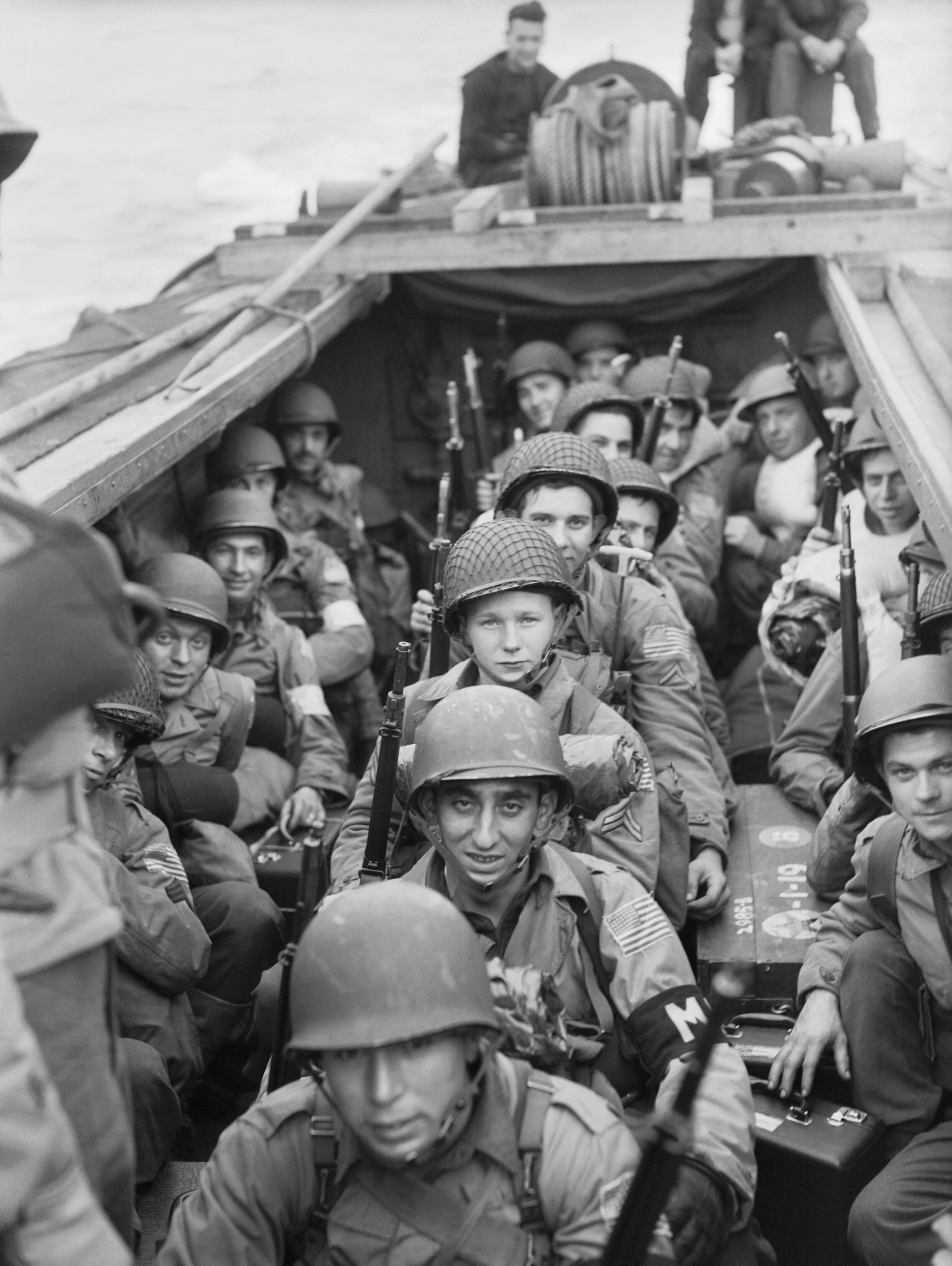
Enterprise cycled through several commanding officers over her wartime service. Their styles differed — some aggressive, some methodical — but the ship's identity remained constant. That consistency came from her crew, men who had watched sister ships go down and climbed back aboard anyway.
The psychological toll is easy to underestimate from a distance. Surviving a kamikaze strike is one thing. Surviving it, watching shipmates die, and then returning to the same flight deck a few weeks later — that is something else entirely. In 1945, a kamikaze hit Enterprise hard enough to require extensive repairs. She was back in service before the war ended.
What does it do to a man, knowing his ship has cheated death again and again? The personal accounts of Enterprise survivors describe something that sits between pride and dread — the terrible knowledge that they might be asked to survive once more.
Was She Really the Greatest Warship of WWII — Or Were There Other Contenders?
Some say Enterprise. Others point to HMS Warspite — a battleship that fought at Jutland in 1916, survived both World Wars, earned battle honours from the Atlantic to the Mediterranean, and was still in action at Normandy. For British readers raised on the Royal Navy's story, Warspite has a claim that's hard to dismiss.
Then there's the Yamato — the most powerful battleship ever built. She was sent on a one-way mission to Okinawa in 1945 with barely enough fuel to reach the beach. Sunk by American aircraft before she fired a meaningful shot in her final battle. Extraordinary engineering in service of a strategy that had already collapsed. Compare that to Enterprise, which fought across the entire arc of Japanese naval decline and outlasted them all.
But does 'most decorated' mean 'most important'? Or are we confusing survival with greatness? It's an uncomfortable question, and it doesn't have a clean answer.
The Ship That Survived Everything — Except Peacetime
After the war, veterans and naval historians lobbied hard to preserve Enterprise as a national memorial. The proposal was rejected on cost grounds. In 1958, with twenty battle stars on her record, the most decorated American warship of the Second World War was sold for scrap.
The USS Missouri, by contrast, is preserved today at Pearl Harbor — a powerful memorial, rightly honoured. But the Missouri was present at the Japanese surrender. Enterprise was present at the survival. There is a difference.
The bitter irony writes itself. A ship that survived Japanese bombs, torpedoes, and kamikaze strikes was undone by a budget committee. And it still provokes fury — among naval historians, among veterans who served in her, and among anyone who stops to think about what that decision meant.
Does the way a nation treats its warships tell us something about how it values the men who served in them? That question doesn't get easier with time.
So — Greatest Warship of the War, or Greatest Survivor?
Extraordinary ship. Extraordinary crews. Extraordinary luck. In Enterprise's case, you probably needed all three, in the right order, at the right moments. Separating them feels almost dishonest.
For readers who grew up with stories of the Royal Navy — the convoys, the Mediterranean campaigns, the carriers of the Fleet Air Arm — ranking Enterprise against the British ships that held the line in the Atlantic and Indian Ocean is a genuine debate worth having. Greatness doesn't belong to one ocean.