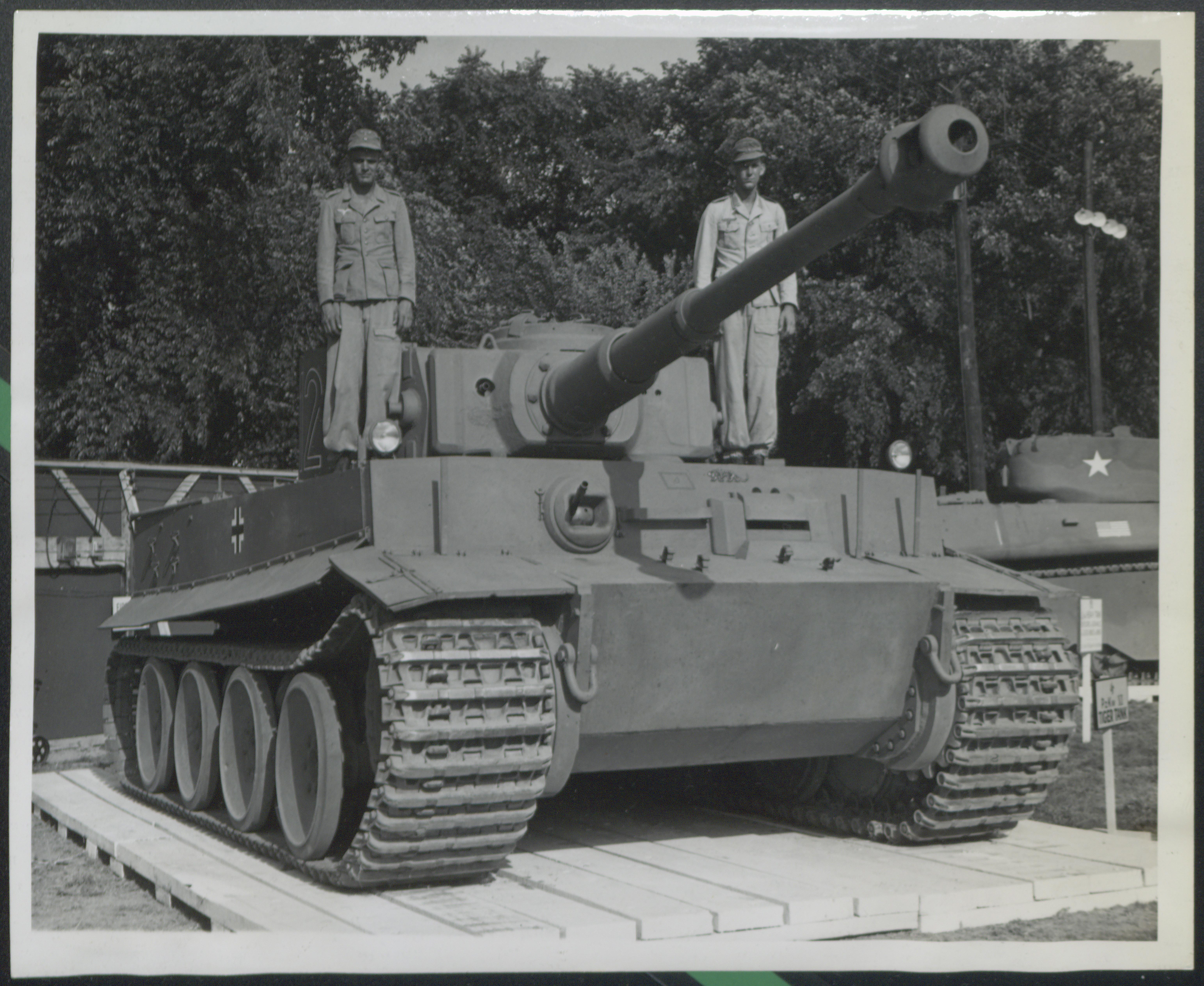
The German Panzer IV was reliable and battle-tested — but the Tiger was pure terror on treads. Which one actually changed the course of World War Two? Allied tank crews who survived encounters with the legendary Tiger I still wake up hearing that distinctive rumble of its Maybach engine echoing across European battlefields.
When that 56-tonne steel monster appeared on the horizon, experienced Sherman crews knew they were facing death itself. The Tiger's psychological impact went far beyond its technical specifications — it fundamentally altered how Allied commanders planned their attacks and how individual tank crews approached combat.
The Maintenance Crews Behind the Tiger's Fearsome Reputation
Michael Wittmann and Kurt Knispel became household names for their Tiger kill counts, but nobody talks about Obergefreiter Hans Mueller, who spent eighteen-hour days keeping those mechanical nightmares running. These unsung heroes battled transmission problems, fuel leaks, and engine failures that could strand a Tiger miles from friendly lines.
Every Tiger required a full maintenance crew working round the clock. Final drive failures were so common that experienced mechanics carried spare parts wherever the tanks deployed. Even ace commanders like Wittmann privately admitted they feared their own tank's complexity more than enemy fire — at least you could see Allied shells coming.
The Maybach HL230 engine produced 700 horsepower, but that power came with a price. Mechanics described wrestling with the Tiger's drivetrain as "fighting a mechanical dragon that wanted to eat its own crew."
The 88mm Gun: Precision Death at 2,000 Metres
The Tiger's 8.8cm KwK 36 gun could punch through the frontal armor of any Allied tank at ranges exceeding 2,000 meters. American Sherman crews called it "the widow maker" because Tigers regularly achieved one-shot kills before Allied gunners could even acquire their targets.
Sergeant Joe Ekins of the British Northamptonshire Yeomanry witnessed a single Tiger destroy five Shermans in under three minutes during fighting near Villers-Bocage. "We couldn't even see the bloody thing," he recalled years later. "Just muzzle flashes in the treeline, then our lads were burning."
The 88mm's technical superiority was undeniable, but that precision came at a devastating cost. Each Tiger consumed resources that could have equipped an entire Panzer company with more reliable vehicles.
The Fatal Flaw German Engineers Never Solved
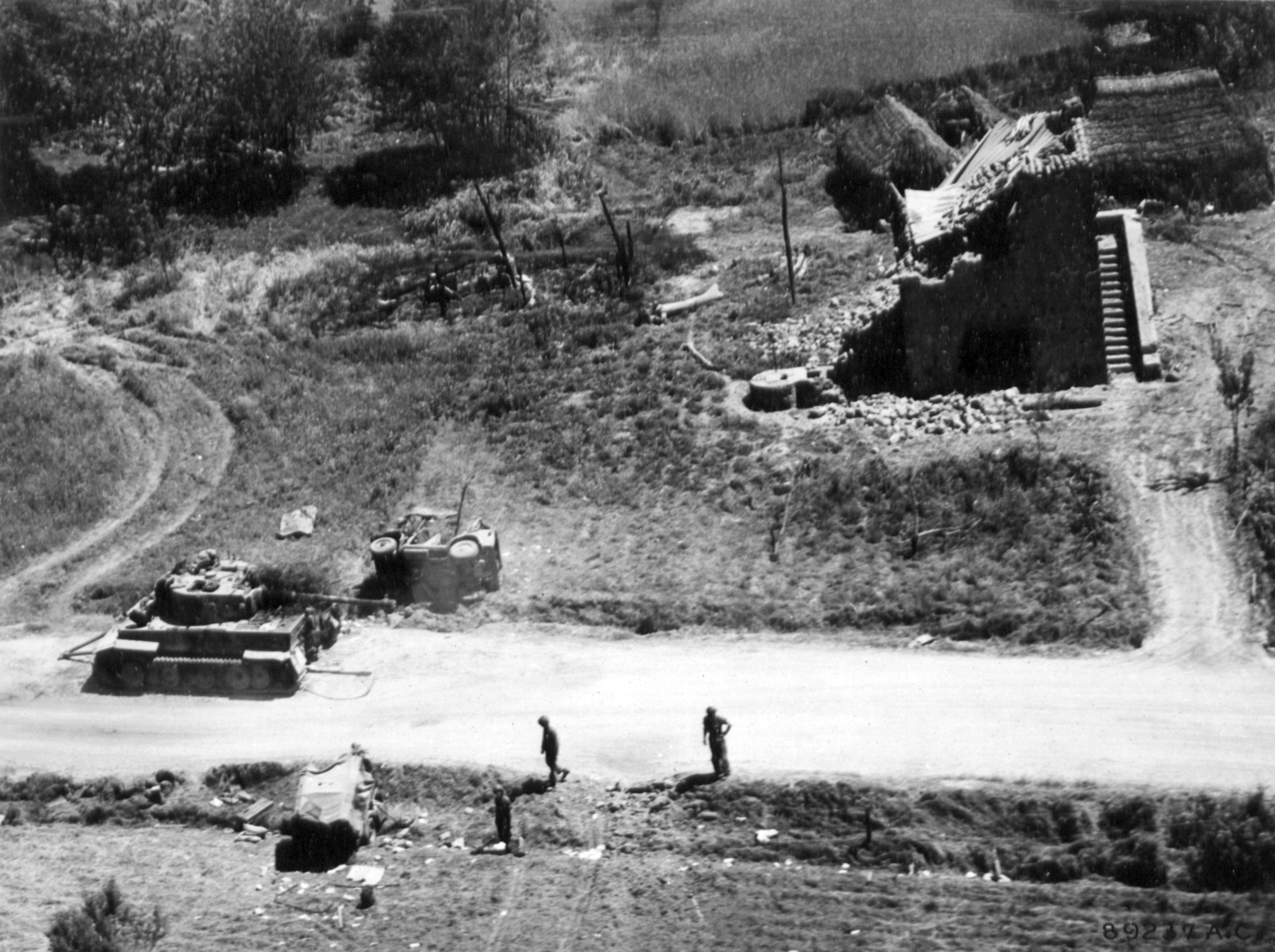
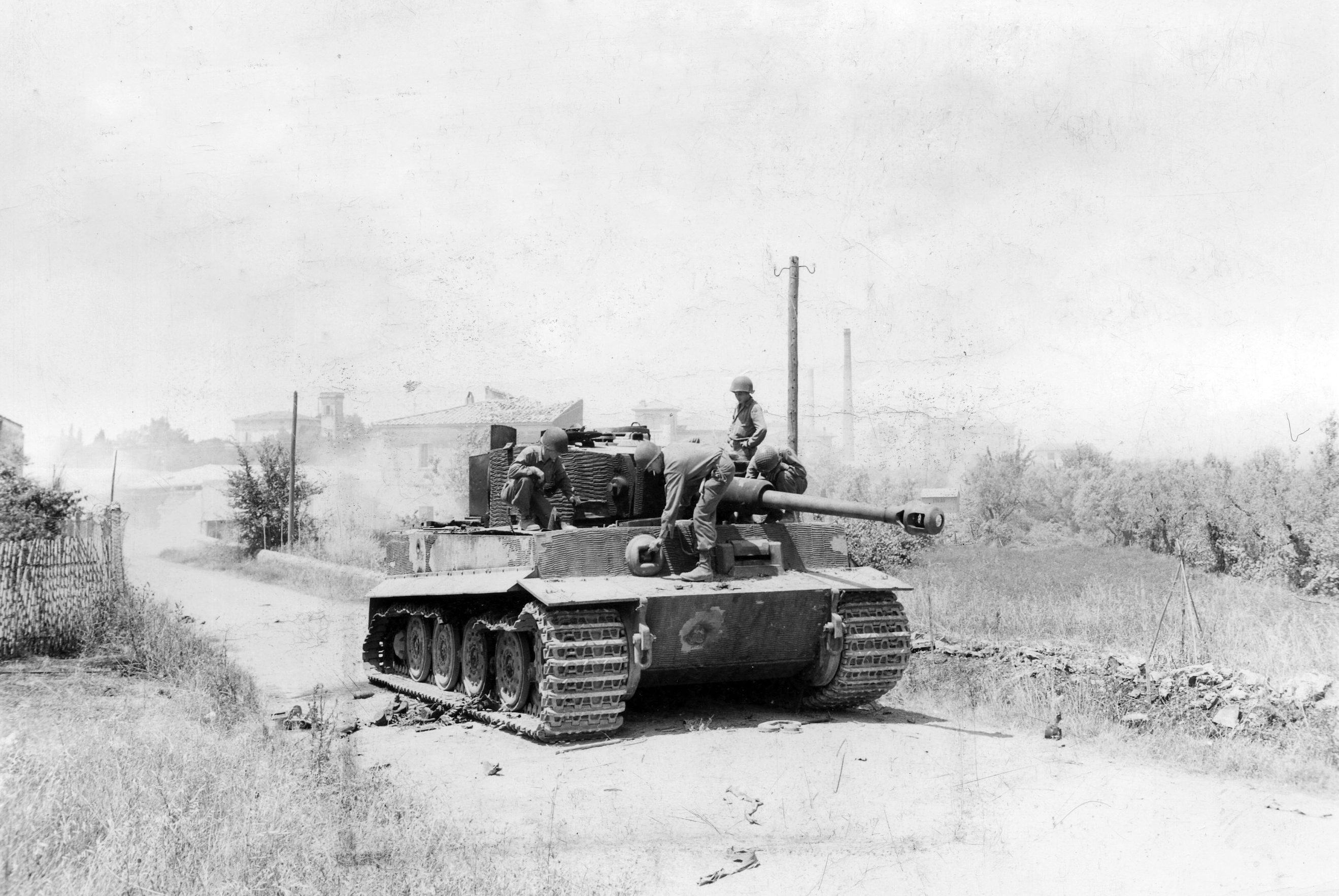
For all its fearsome reputation, the Tiger suffered from a fundamental design weakness that German engineers never overcame — chronic mechanical unreliability. Transmission failures left more Tigers abandoned by their crews than Allied gunfire ever destroyed.
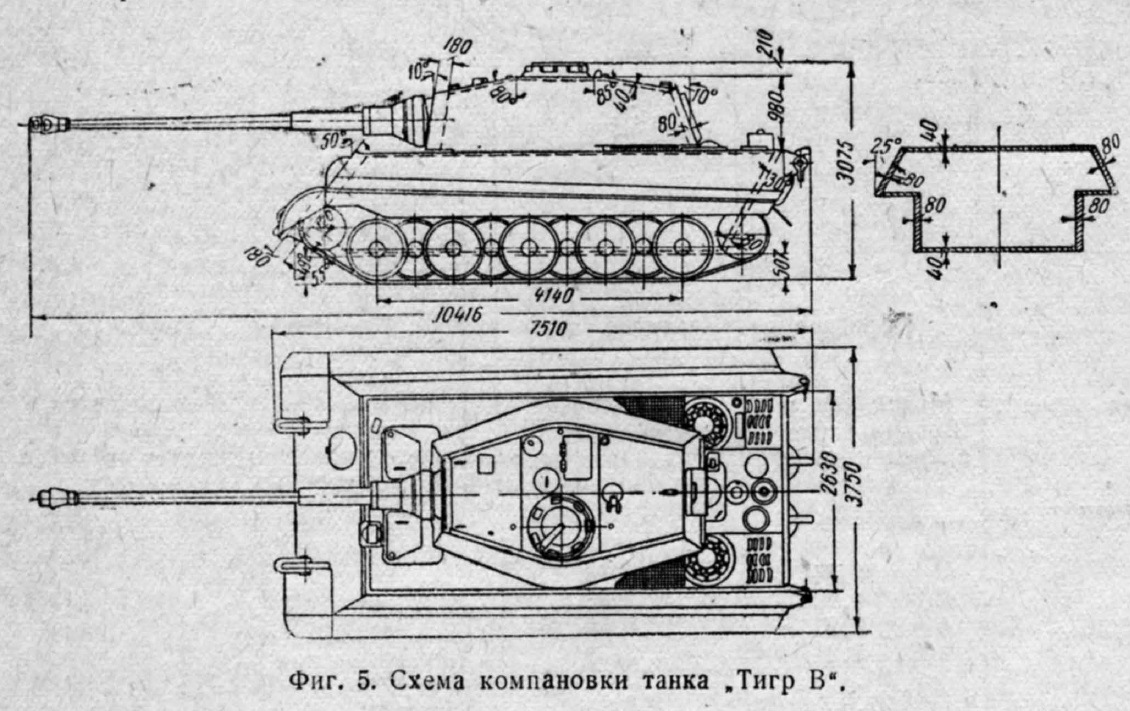
The Tiger consumed 8 liters of fuel per kilometer, making it a logistical nightmare as Germany's fuel supplies dwindled. Its 56-tonne weight collapsed bridges, destroyed roads, and made railway transport a complex engineering challenge.
During the brutal fighting at Stalingrad, Tigers broke down faster than they could be repaired. Reliability mattered more than firepower when your tank couldn't reach the battlefield.
Allied Responses: How to Kill a Monster
Allied commanders developed specific anti-Tiger tactics that exploited the heavy tank's limitations. British crews learned to attack Tigers from the flanks using coordinated assaults that overwhelmed individual tanks through sheer numbers.
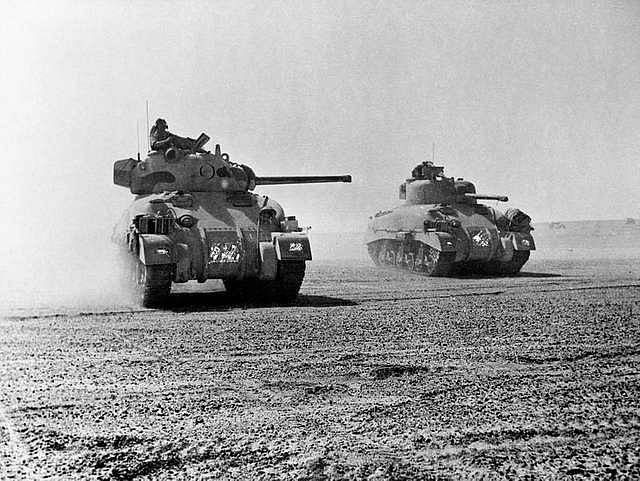
The Sherman Firefly, mounting a British 17-pounder gun, finally gave Allied crews a fighting chance at long range. Air power proved even more effective — P-47 Thunderbolts and RAF Typhoons could destroy Tigers with rockets and bombs while the heavy tanks sat helplessly in the open.
Like the Sherman tank that ultimately won through mass production, Allied victory came through industrial superiority rather than individual tank performance. Five Shermans could accomplish what one Tiger couldn't — they could all reach the battlefield running.
The Tiger's Legacy: Engineering Marvel or Strategic Blunder?
Each Tiger cost Germany the equivalent of four Panzer IVs, creating a strategic dilemma that ultimately weakened German armored forces. Resources poured into 1,347 Tigers might have produced over 5,000 more reliable medium tanks.
The Tiger's impact on German war production extended beyond raw numbers. Specialized manufacturing requirements diverted skilled workers and rare materials from other critical weapons programs. Post-war tank designers learned valuable lessons about balancing firepower, protection, and mechanical reliability.
Despite its fatal flaws, the Tiger achieved something no other tank managed — it became a legend that still captures imaginations decades after the war ended. Engineering excellence means nothing if your weapon can't reach the fight.
The Tiger tank represents the ultimate question in military engineering — should you build one perfect weapon or ten good enough ones? Based on the war's outcome, the answer seems clear, but the debate continues among armor enthusiasts worldwide. What's your take on German over-engineering versus Allied mass production philosophy?