By late October 1942, the fate of the Middle East hung in the balance. Rommel's Afrika Korps stood tantalizingly close to the Suez Canal, while Churchill's government faced the very real prospect of losing Egypt. The man who would change everything was an unknown general with a massive ego and an even bigger plan.
The Desert Fox had carved through British defenses like a hot knife through butter. But Montgomery would prove that sometimes the tortoise really can beat the hare.
When the Desert Fox had Egypt in his sights
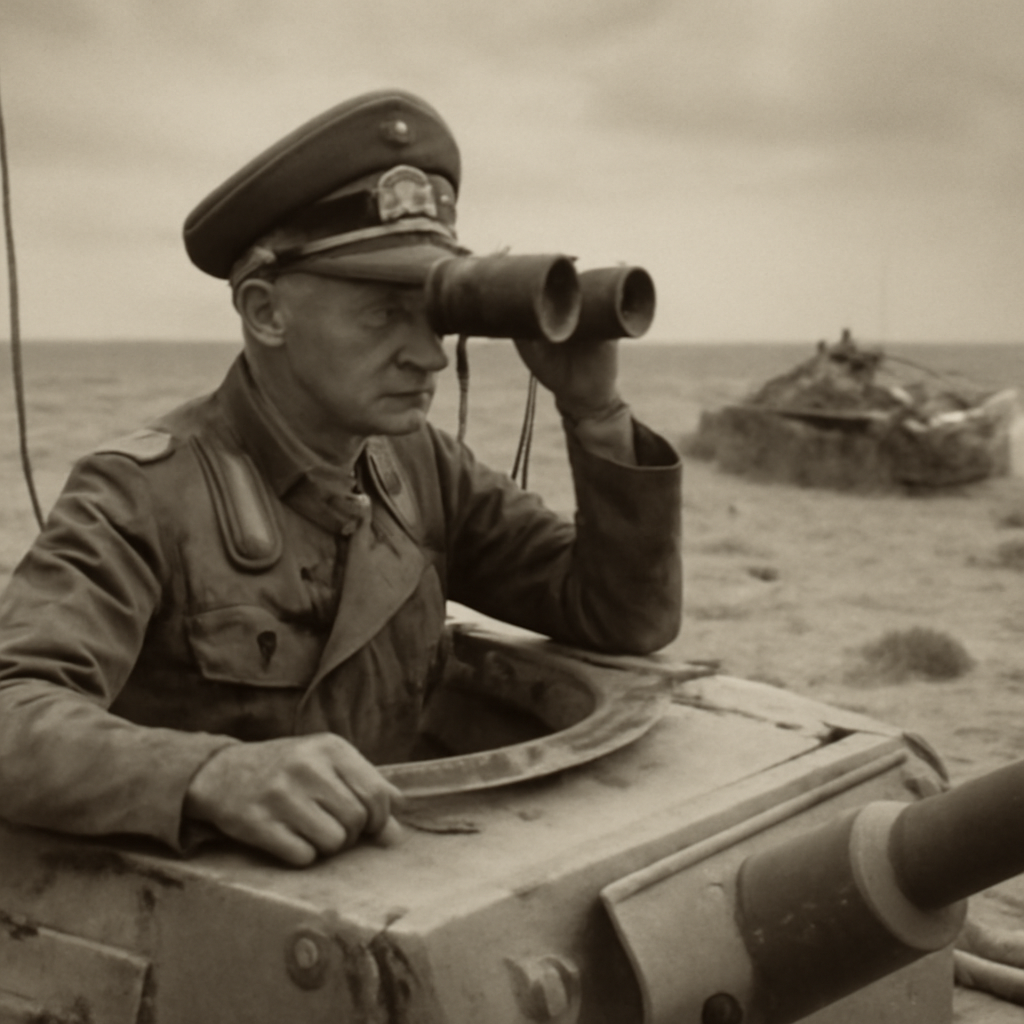
Erwin Rommel's reputation wasn't built on luck. Since arriving in North Africa in early 1941, the Desert Fox had turned what should have been a defensive operation into a masterclass in mobile warfare. His Afrika Korps pushed the British back across hundreds of miles of desert, leaving a trail of abandoned equipment and shattered morale.
By summer 1942, panic gripped Cairo. Embassy staff burned classified documents as Rommel's panzers approached Alexandria, just 150 miles from the Egyptian capital. The British Eighth Army had suffered one humiliating defeat after another, and soldiers whispered that the Germans were simply unbeatable.
Yet Rommel's greatest strength was becoming his fatal weakness. Those lightning advances had stretched his supply lines to breaking point. Every mile closer to the Nile meant another mile further from the ports of Tripoli and Benghazi. The Desert Fox was running out of fuel, ammunition, and time.
Enter Montgomery: Showman or strategic genius?
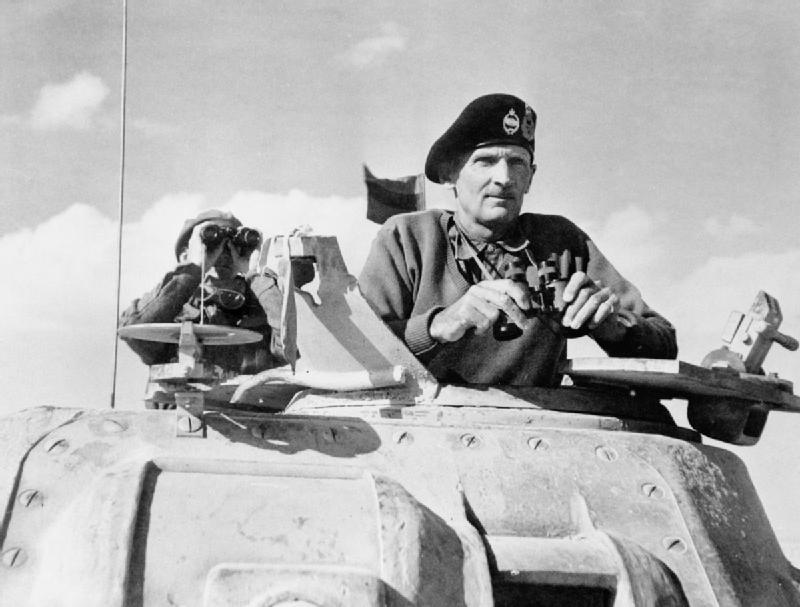
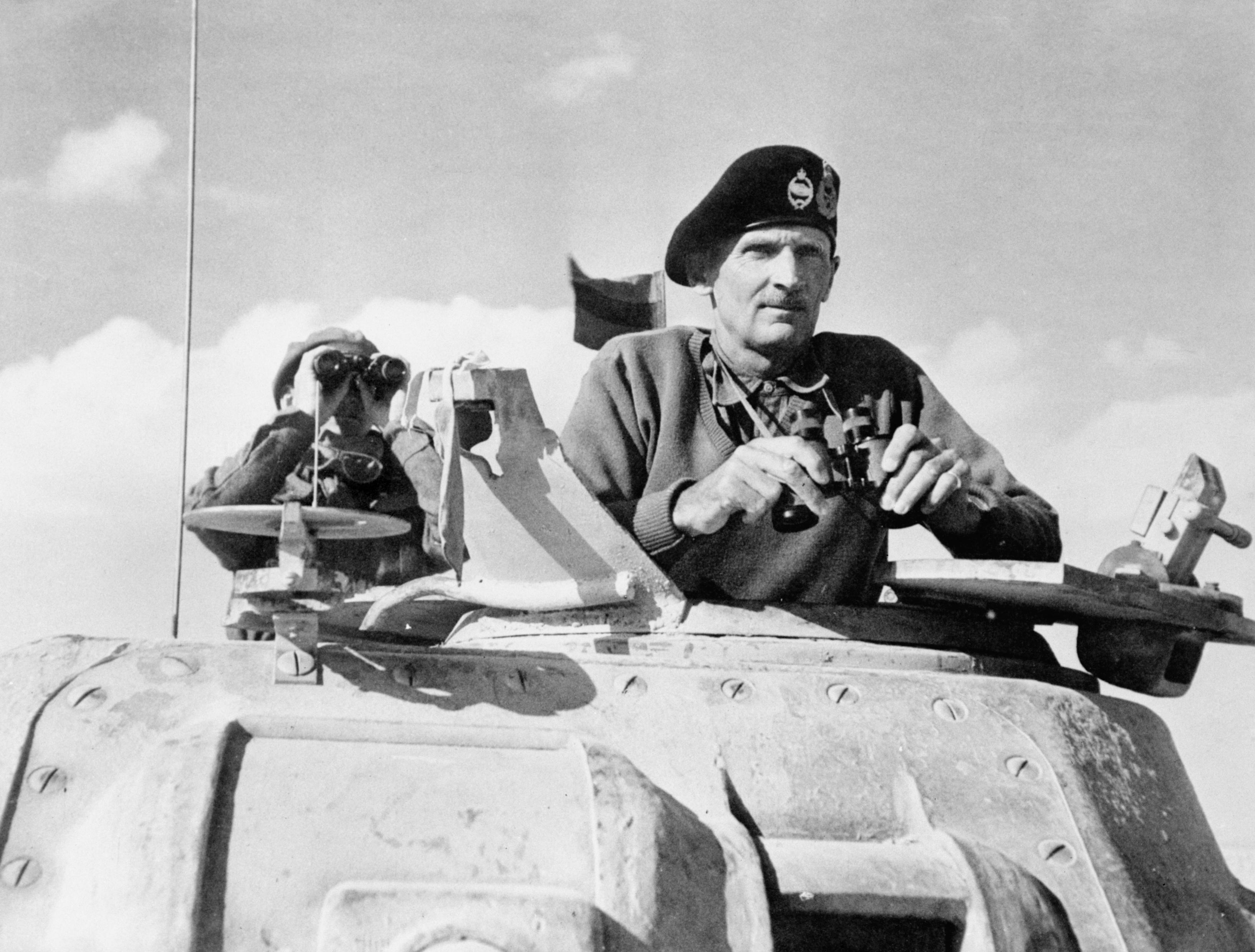
When Winston Churchill replaced Claude Auchinleck with Bernard Montgomery, many questioned the choice. Montgomery was arrogant, theatrical, and had a talent for making enemies among his fellow officers. He also possessed something the Eighth Army desperately needed: absolute confidence in victory.
Montgomery's first act was pure theater. He gathered his officers and told them there would be no more retreating, no more "planning for withdrawal." The new commander would either win at El Alamein or die trying. It was exactly the kind of bombastic declaration that drove his superiors crazy and inspired his troops.
Behind the showmanship lay methodical preparation that would have made a German staff officer proud. Montgomery refused to attack until he had overwhelming superiority in men and materiel. His critics called it unimaginative. His soldiers called it smart.
The battle that changed everything - or did it?
October 23rd, 1942: Montgomery's artillery barrage shattered the desert silence. Over 1,000 guns opened fire simultaneously, creating an inferno that could be heard 20 miles away. Operation Lightfoot had begun, and with it, the largest tank battle ever fought on African soil.
Rommel wasn't even present when the attack began. The Desert Fox was in Germany, recovering from illness and pleading with Hitler for more supplies. His deputy, Georg Stumme, died of a heart attack during the first day's fighting. The Afrika Korps was effectively leaderless at the moment of maximum crisis.
When Rommel rushed back to Egypt, he found his defensive masterpiece under relentless assault. His famous 88mm anti-tank guns were taking a terrible toll on British armor, but Montgomery had enough tanks to absorb the losses. The grinding attritional warfare that followed played perfectly into British strengths.
Forgotten heroes of the desert turning point
While Montgomery grabbed the headlines, it was the Australian 9th Division that delivered the knockout blow. Fighting in the northern sector near the Mediterranean coast, these desert veterans ground through German positions with the same stubborn determination they'd shown during the siege of Tobruk.
The New Zealand Division's breakthrough on November 2nd finally cracked Rommel's defensive line. Their advance through the minefields came at horrific cost, but it created the gap Montgomery needed. Tank crews paid the ultimate price clearing paths through German anti-tank obstacles, many dying before they could fire a shot.
Often overlooked is the RAF Desert Air Force's contribution. Their relentless attacks on German supply columns turned Rommel's retreat into a rout. Without air cover, the Afrika Korps was sitting ducks on the coastal road.
Churchill's 'end of the beginning' - was he right?
Churchill's famous declaration that El Alamein marked "the end of the beginning" proved remarkably prescient. The victory saved the Suez Canal and Middle East oil fields, keeping vital supply routes open to the Soviet Union. More importantly, it restored British confidence after years of defeats.
The strategic impact extended far beyond North Africa. El Alamein set up the pincer movement that would eventually crush the Afrika Korps between Montgomery's advancing Eighth Army and Allied forces landing in French North Africa. For the first time since 1940, Hitler's armies were in full retreat.
Yet the propaganda value may have exceeded the military significance. British newspapers finally had a victory to celebrate, and Montgomery became the first British general since Wellington to capture the public imagination.
The real question: Could Rommel have won with better supplies?
Military historians still debate whether El Alamein was Montgomery's triumph or Rommel's tragedy. The numbers tell a stark story: Montgomery had 230,000 men to Rommel's 116,000, and 1,440 tanks to the German-Italian force's 560. More critically, the Afrika Korps was desperately short of fuel and ammunition.
What if Hitler had prioritized North Africa over his disastrous invasion of Russia? The resources poured into Stalingrad could have given Rommel the supplies he needed to reach Cairo. Instead, the Desert Fox fought his greatest battle with one hand tied behind his back.
Montgomery deserves credit for avoiding the trap that had snared his predecessors - trying to outmaneuver Rommel. Instead, he used Britain's industrial might to simply overwhelm German defenses. It wasn't pretty, but it worked.
Was El Alamein Montgomery's masterpiece or simply the inevitable result of superior resources? What do you think made the difference - generalship or logistics? Share your thoughts on this desert clash that changed the course of World War II.