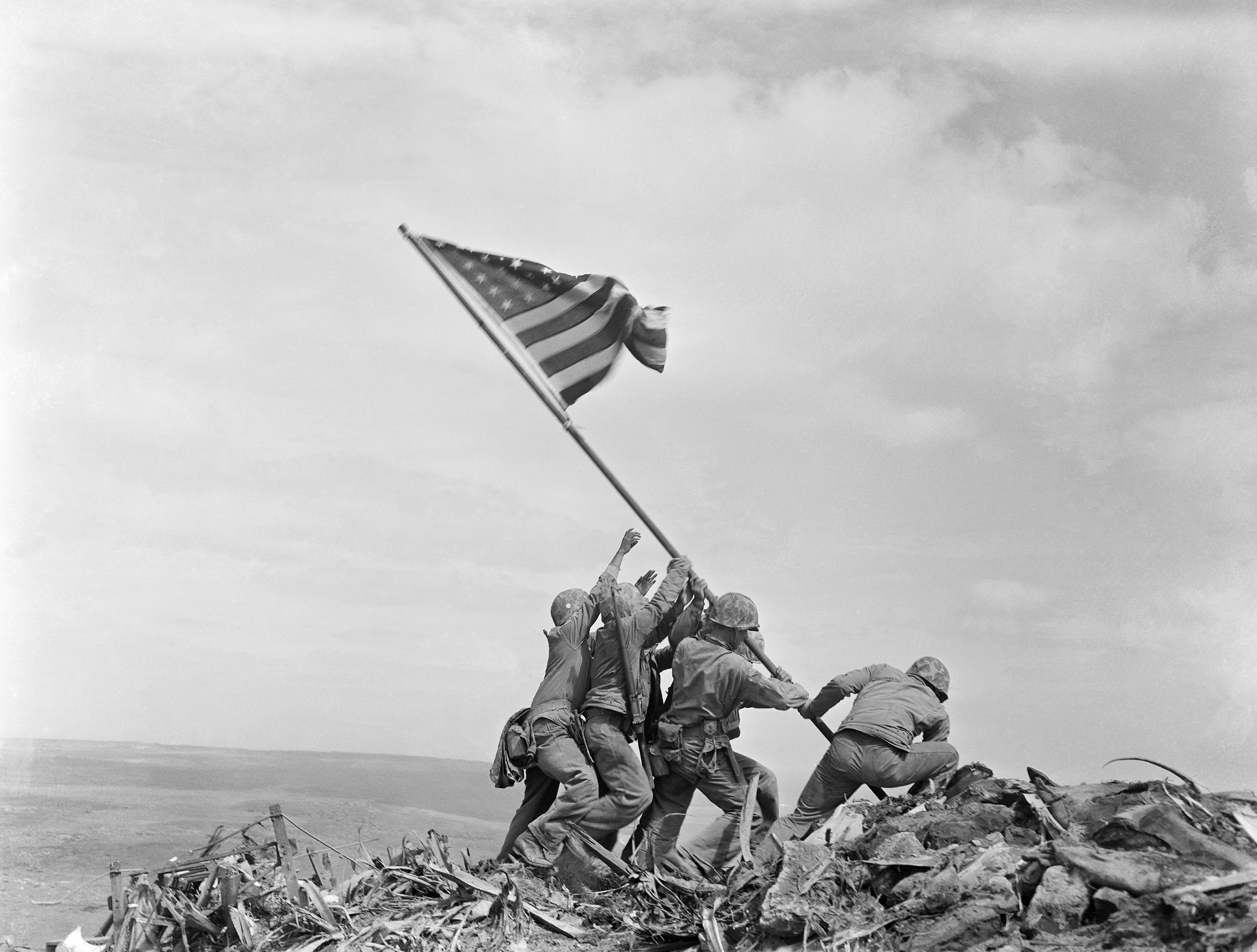
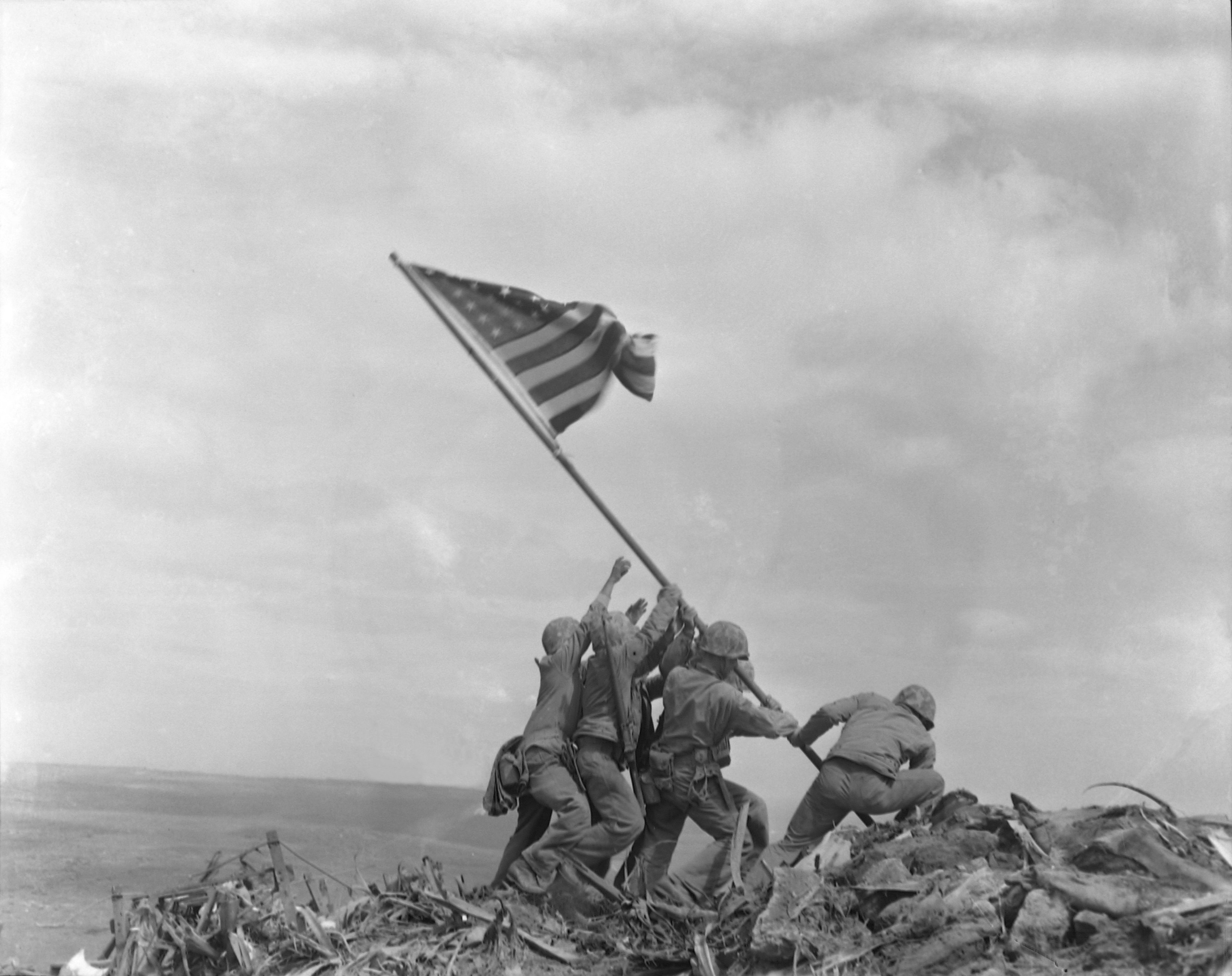
When Iwo Jima gets all the glory, who remembers Franklin Sousley, nineteen years old from Kentucky? He's one of the six Marines in that famous photograph, arm reaching up to plant Old Glory on Mount Suribachi. Within days of that picture, Japanese bullets cut him down on that godforsaken volcanic rock.
That iconic image became America's most celebrated World War II photograph, but three of those flag-raisers never made it home. For 36 days, Marines fought through hell on an 8-square-mile island that cost 7,000 American lives — one casualty for every Japanese defender killed.
The Marines Who Never Came Home from Iwo Jima
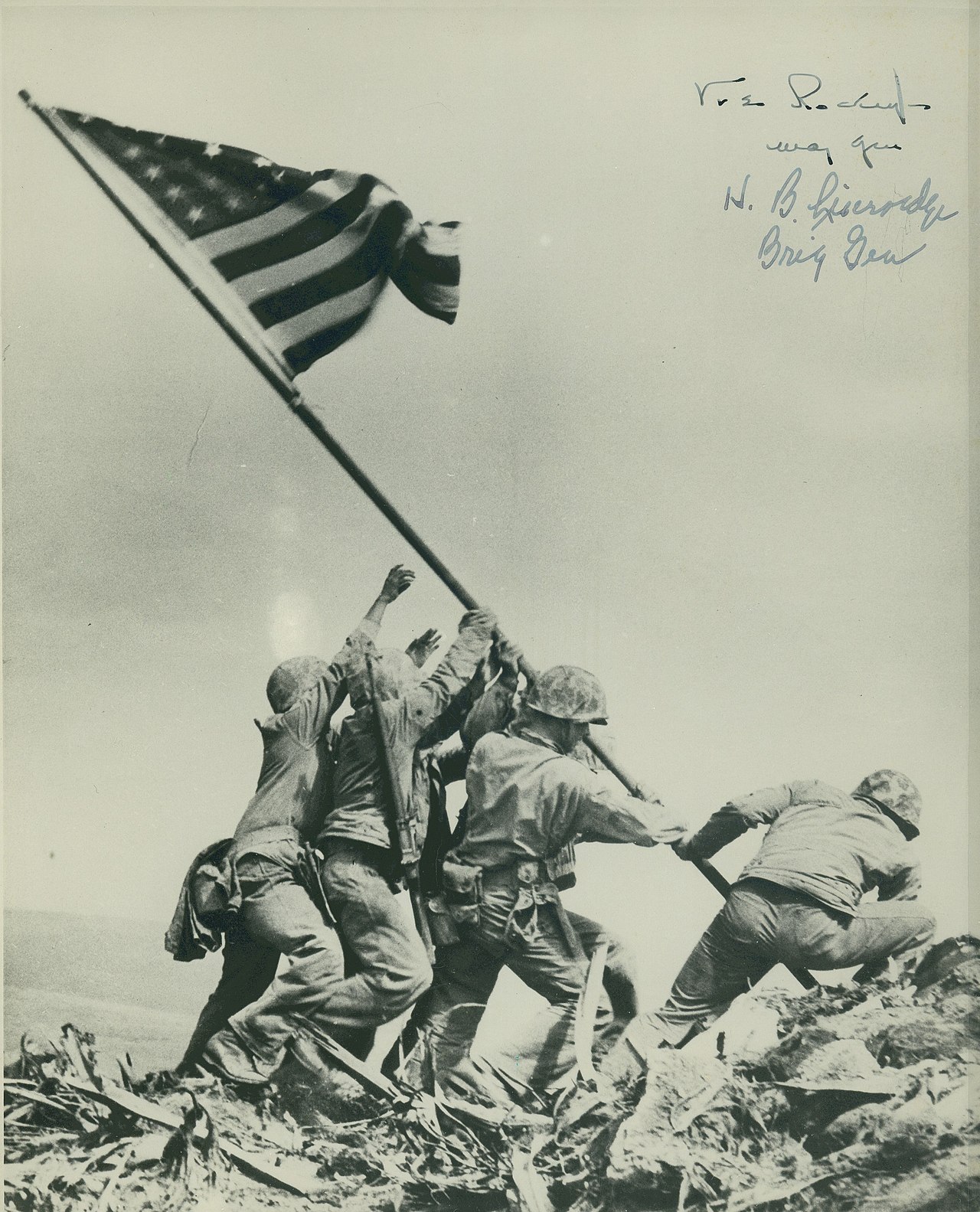
Joe Rosenthal's photograph captured something powerful — six young Americans straining together to raise their flag on enemy soil. But that image hides the brutal mathematics of Iwo Jima.
Franklin Sousley, Harlon Block, and Michael Strank — three of the six flag-raisers — died within days of that moment. They fought on an island that mattered more to Japanese honor than military strategy, a symbolic last stand that turned tactical irrelevance into a slaughterhouse.
The numbers tell the real story: 36 days of combat on volcanic sand that swallowed tanks and turned every step into exhaustion. Unlike Stalingrad's frozen hell, this was tropical warfare at its most vicious.
The Island Fortress That Made Normandy Look Easy
General Tadamichi Kuribayashi had turned Iwo Jima into something American planners never anticipated. Twenty-two thousand Japanese defenders disappeared into 11 miles of tunnels and concrete bunkers, creating an underground fortress that made surface bombardment nearly useless.
Kuribayashi's deadly innovation broke Japanese military tradition: no banzai charges, no glorious death rushes. Instead, methodical slaughter from hidden positions. Every cave mouth concealed machine guns. Every ridge hid artillery observers.
American intelligence got it catastrophically wrong. They predicted three days of fighting. The black volcanic sand that marked Iwo Jima became a 36-day graveyard where Marines learned that courage alone couldn't overcome perfect defensive positions.
The Real Story Behind That Famous Flag
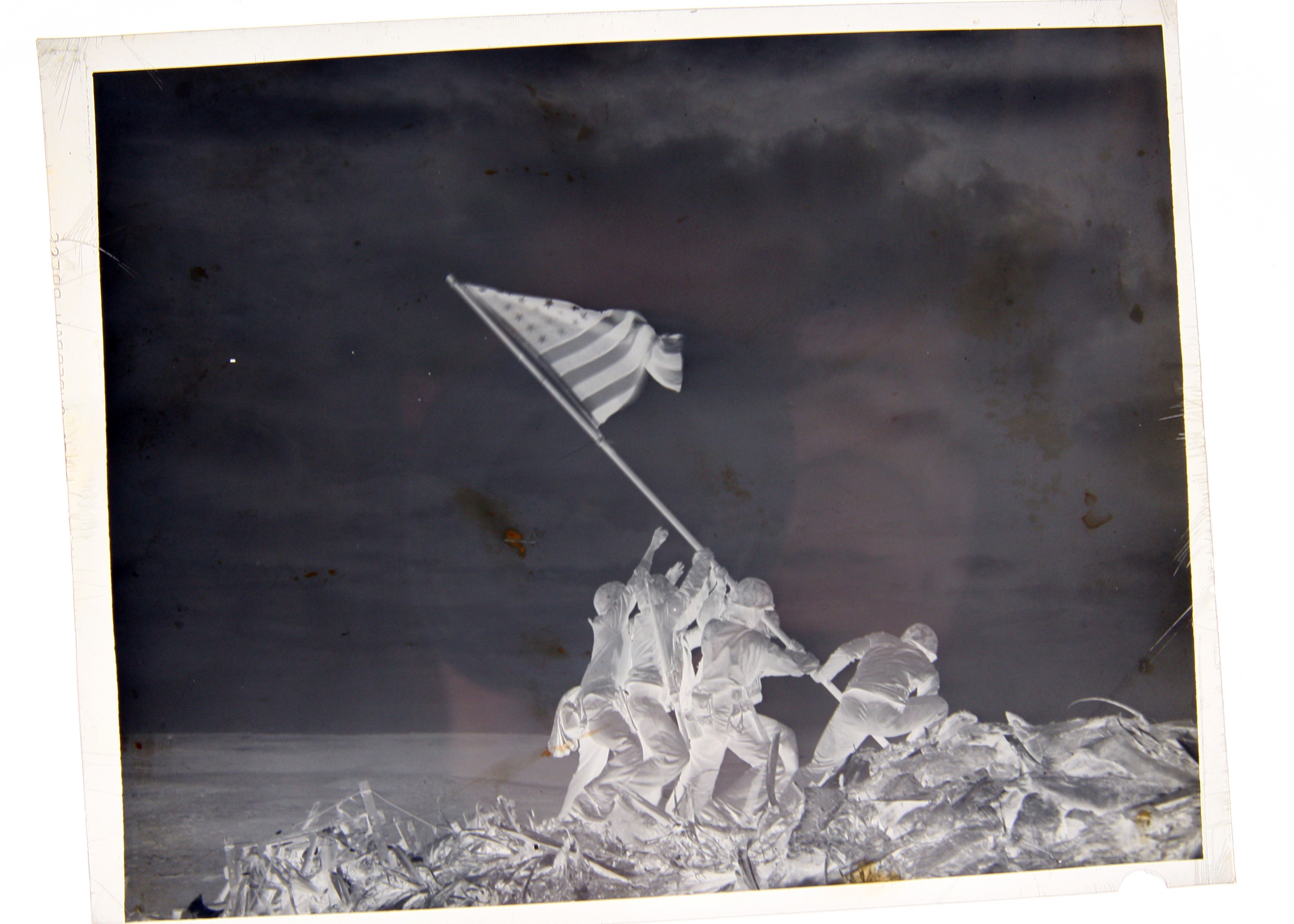
Two flag raisings happened on Mount Suribachi — and the first one, smaller and less photogenic, was quickly forgotten. Joe Rosenthal almost missed the second raising entirely, an accidental masterpiece that captured something deeper than victory.
The six Marines straining against the wind — Franklin Sousley, Harlon Block, Michael Strank, Ira Hayes, Rene Gagnon, and John Bradley — became instant symbols. But symbols don't die from Japanese bullets or suffer survivor's guilt.
For the three who lived, that photograph became a burden. Ira Hayes especially struggled with fame built on his dead friends' sacrifice, turning to alcohol to escape the weight of unwanted celebrity.
The Meat Grinder: 36 Days of Volcanic Hell
Flamethrowers became the weapon of choice because bullets couldn't reach Japanese defenders in their tunnels. Marines had to burn them out, cave by cave, in warfare that destroyed souls along with bodies.
Some companies lost 90% of their men. Japanese "spider holes" — individual fighting positions invisible until Marines stepped on them — meant death could emerge from anywhere. Combat fatigue rates hit levels higher than any Pacific battle.
Twenty-seven Medals of Honor were awarded for Iwo Jima. Fourteen went to dead Marines. That ratio tells you everything about the cost of eight square miles of volcanic rock.
Kuribayashi vs. the Marines: Master Tactician Meets Unstoppable Force
Kuribayashi studied American tactics and turned them against the Marines. He understood American firepower, American courage, American determination — and planned accordingly.
His ban on traditional banzai charges frustrated Marines who expected Japanese fanaticism. Instead, they faced calculated killing from an enemy who gave ground slowly and made every yard cost blood.
His final radio message from Kitano Point was simple: "We have not eaten or drunk for five days, but our fighting spirit is still high." Even American Marines developed grudging respect for an enemy who fought with honor and deadly efficiency.
The Cost of Glory: What They Don't Teach in School
Seven thousand American dead for an island we could have bypassed entirely. Military historians still debate whether those airfields justified the blood price, especially when Midway had already broken Japanese naval power.
Of 18,000 Japanese defenders, only 216 were captured alive. The rest fought to death in tunnels that became tombs, following Kuribayashi's order that every man should kill ten Americans before dying.
The psychological toll matched the physical casualties. Combat fatigue, shell shock, what we'd now call PTSD — Iwo Jima broke minds along with bodies in ways that never made the newsreels.
Legacy of a Photograph: When History Becomes Mythology
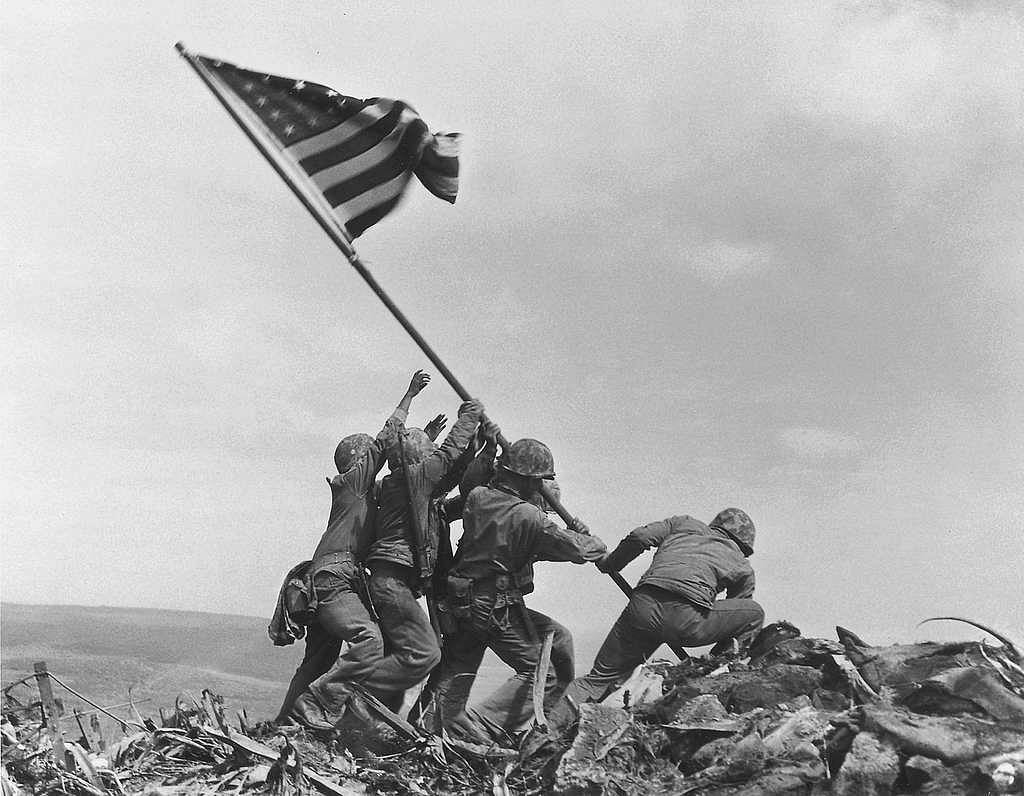
Rosenthal's photograph shaped American identity for generations, but its power lies in what it doesn't show — the carnage below, the friends already dead, the friends about to die.
The uncomfortable truth about turning warfare into inspiration is that it sanitizes horror. That flag-raising moment lasted seconds. The battle lasted 36 days of methodical slaughter that left psychological scars lasting decades.
Franklin Sousley, Harlon Block, and Michael Strank deserve better than being remembered only as part of a photograph. They were teenagers who died far from home for reasons politicians are still debating.
Was Iwo Jima necessary sacrifice or avoidable tragedy? Should we celebrate the photograph or mourn the boys who never made it home?