Rommel was ruthless - but the Desert Rats were relentless. Picture this: April 1941, and you're staring across miles of blazing desert at the most feared general in Hitler's army. Your water's rationed, supply ships are getting sunk, and enemy dive-bombers are pounding your positions daily.
What would you have done? Surrendered? Retreated?
The men trapped in Tobruk had a different answer.
Rommel was ruthless - but the Desert Rats were relentless. Which side showed greater courage?
When Rommel's Afrika Korps swept across North Africa in early 1941, they left destruction in their wake. But at Tobruk, they hit a wall - literally and figuratively.
The fortress port became a thorn in Rommel's side that he couldn't remove. Cut off from overland supply routes, the garrison depended entirely on Royal Navy ships running a gauntlet of German bombers and Italian submarines.
This wasn't just another siege. Tobruk controlled the only deep-water port between Alexandria and Tripoli. Whoever held it controlled the supply lines for the entire North African campaign.
So here's the question that haunts me: if you were commanding that isolated garrison, watching Stukas dive out of the sun every morning, would you have had the guts to hold the line?
Tobruk: the siege that came before El Alamein
Everyone knows Montgomery's victory at El Alamein. But months before that famous battle, ordinary soldiers were already stopping Rommel cold.
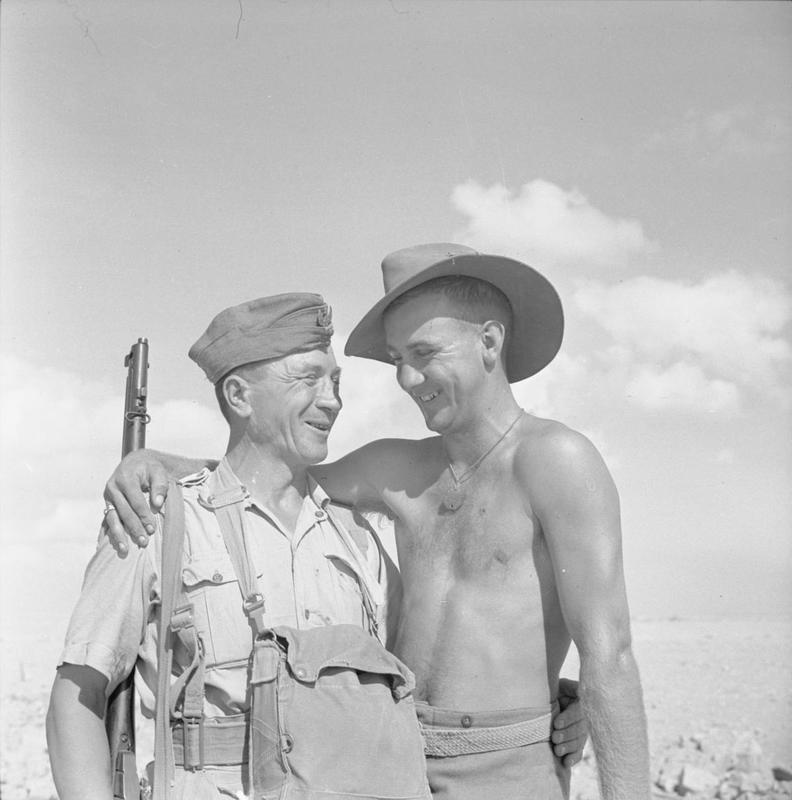
The garrison wasn't packed with elite commandos or legendary warriors like the Gurkhas. Most were regular troops from Australia's 9th Division, supported by British artillery units and a handful of tanks.
These were clerks, farmers, and factory workers who'd answered their country's call. They weren't supposed to be heroes. They were just supposed to hold the line until relief arrived.
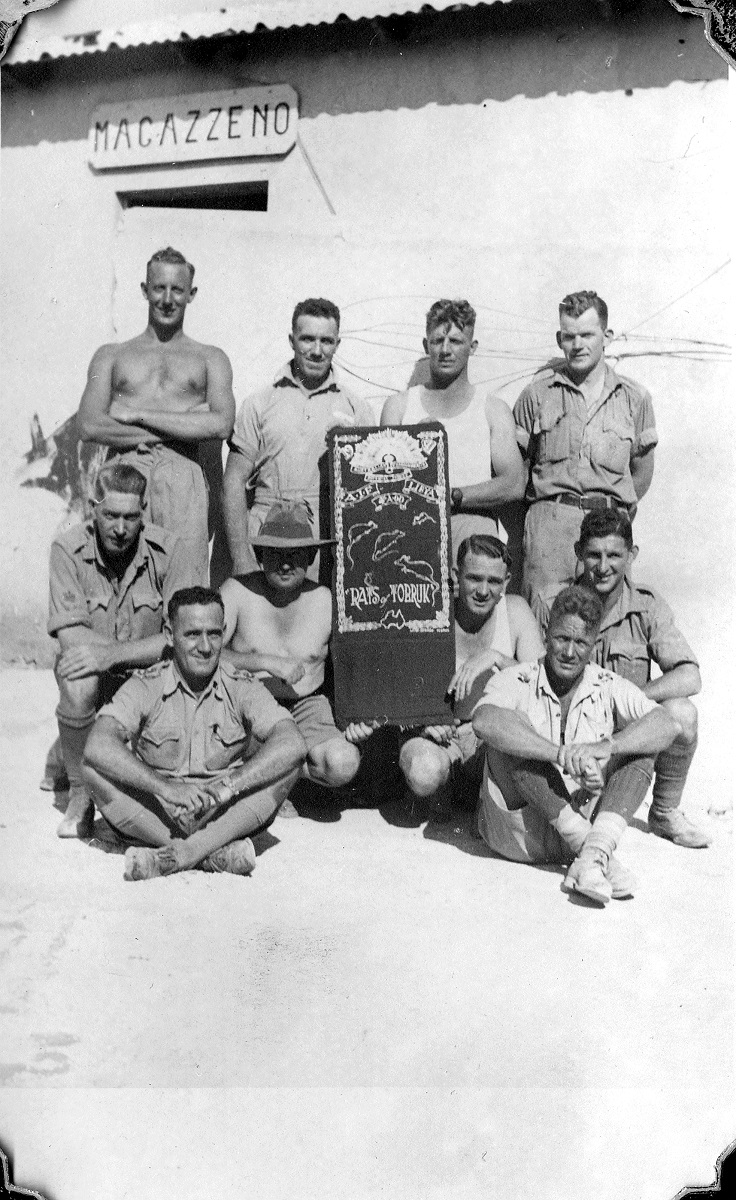
When Rommel's propaganda machine mockingly called them "rats trapped in a hole," the garrison embraced the insult. The Desert Rats were born from an enemy's contempt - and they wore that contempt like a badge of honor.
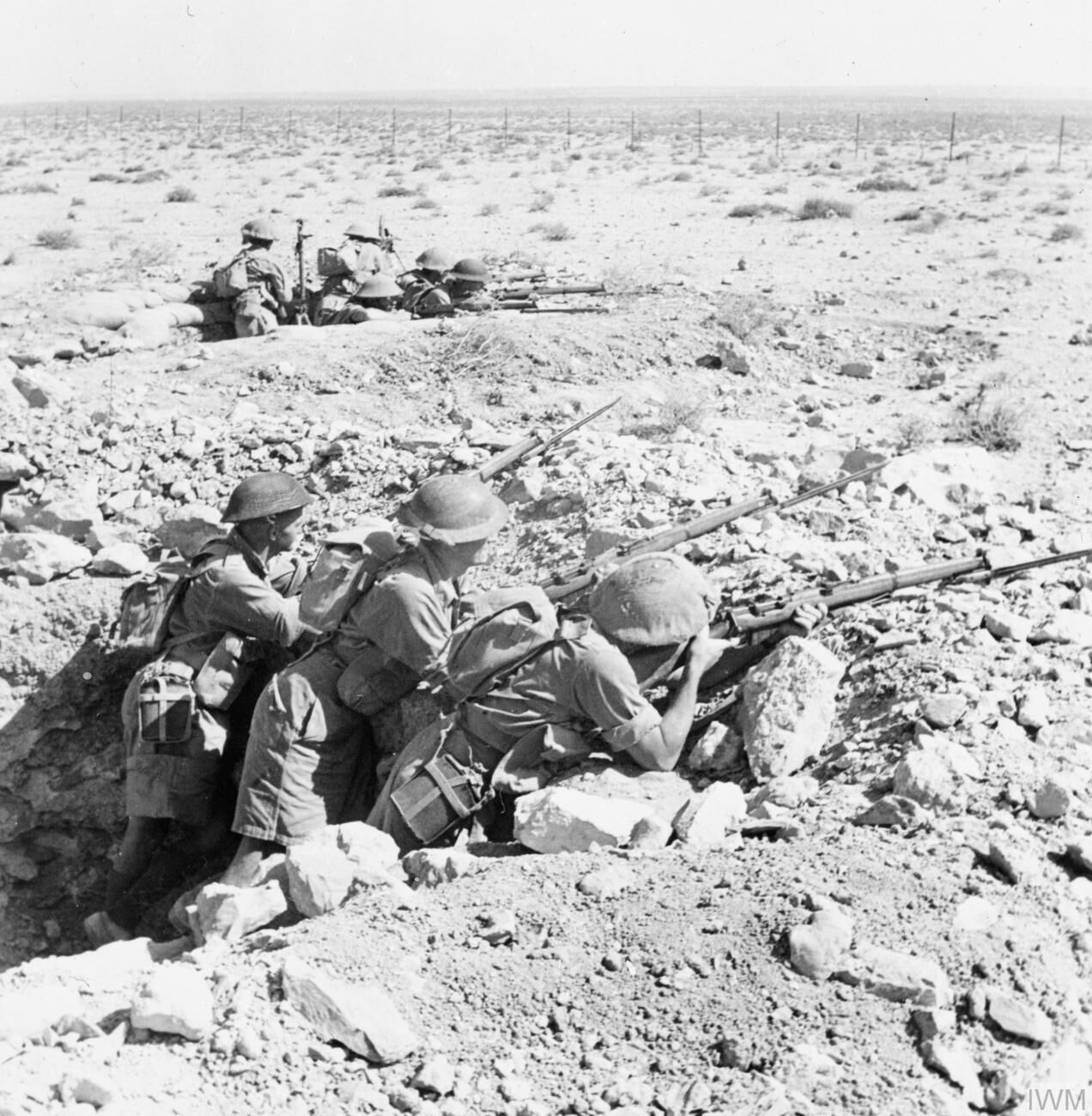
241 days of hell: What it really meant to be trapped in the desert
Every dawn brought the same nightmare: Stuka dive-bombers screaming out of the sky, followed by German artillery raining down on their positions.
Water became more precious than ammunition. Each man received less than a gallon per day - for drinking, washing, and cooking combined. In temperatures that regularly hit 120°F.
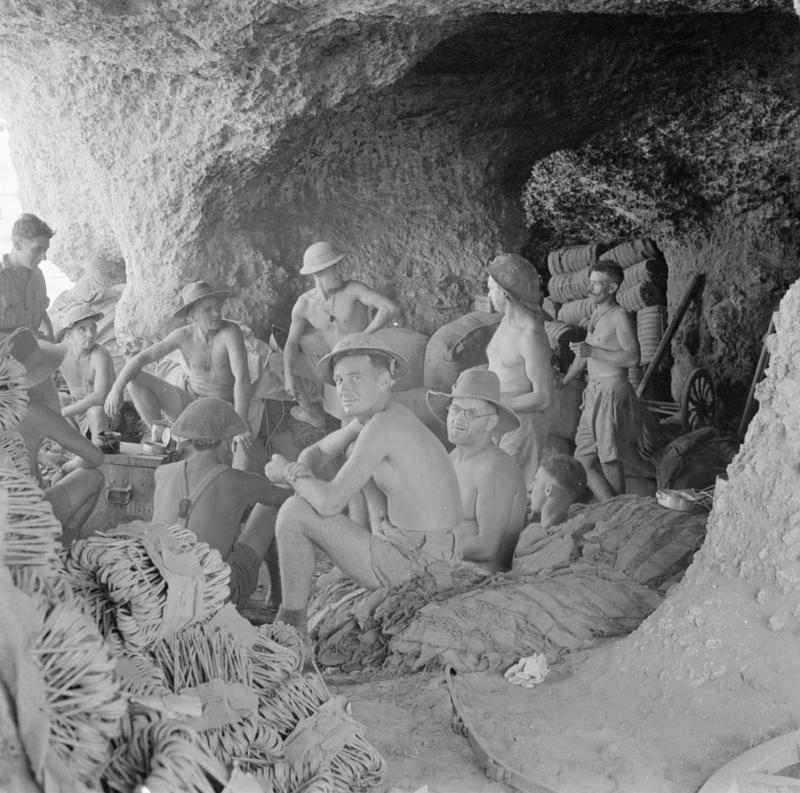
They lived like moles, burrowing into underground bunkers and natural caves. Above ground meant death. Below ground meant survival, barely.
German radio broadcasts taunted them nightly, describing the comfortable beds and cold beer waiting for prisoners of war. Psychological warfare designed to break their will.
But here's what the enemy didn't understand: you can't break men who've already decided they won't be broken.
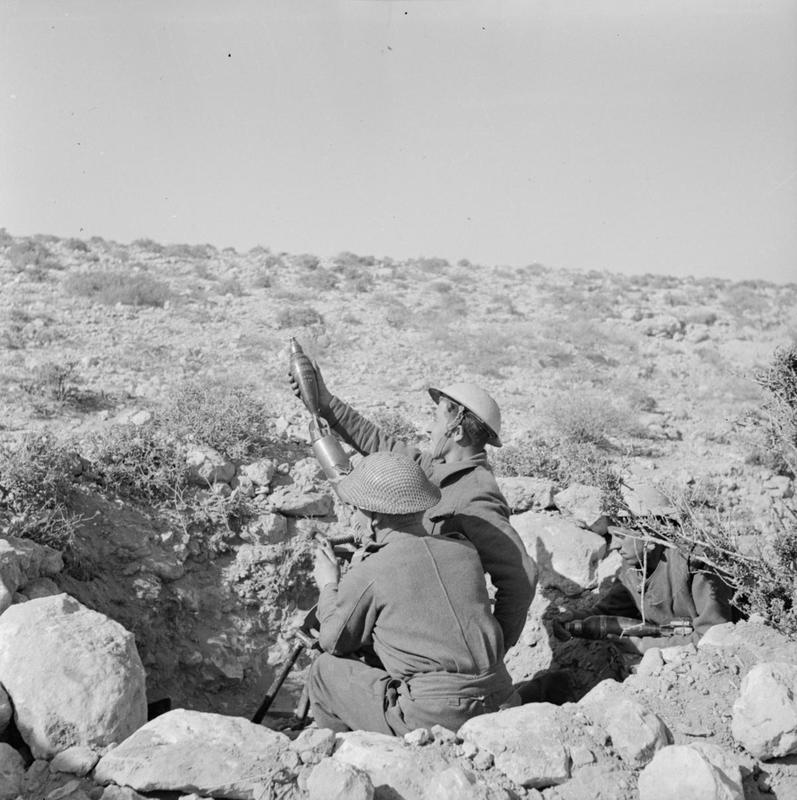
The enemy called them rats - but these 'vermin' had bite
The Desert Rats refused to stay trapped in their holes. Night after night, they launched aggressive patrols against German positions.
They turned static defense into mobile warfare, using their intimate knowledge of the terrain to strike where least expected. German commanders never knew when or where the next raid would hit.
Their artillery crews became legends, engaging in deadly duels with German gun positions. Each successful bombardment kept Rommel's forces at bay and boosted garrison morale.
This wasn't passive resistance - it was active defiance. The rats had developed very sharp teeth.
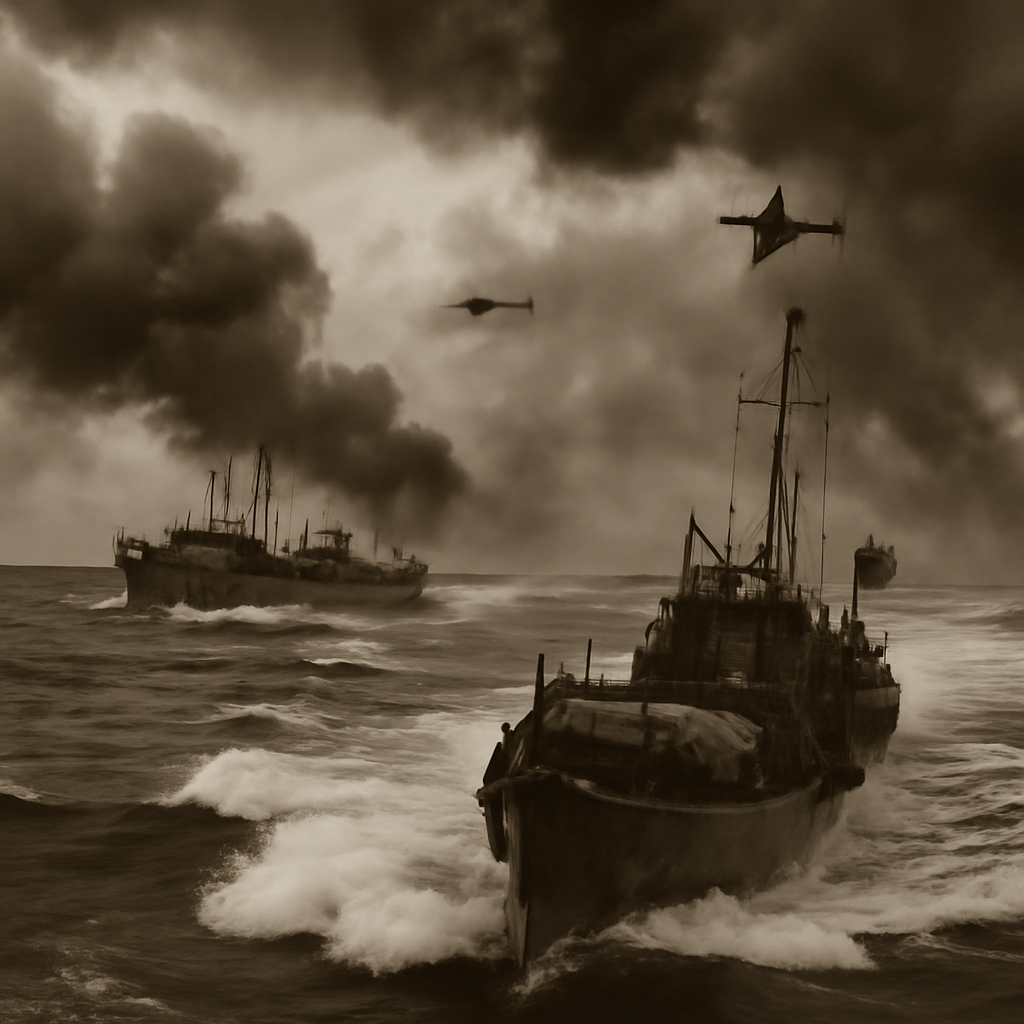
Supply runs through hell: The ships that saved Tobruk
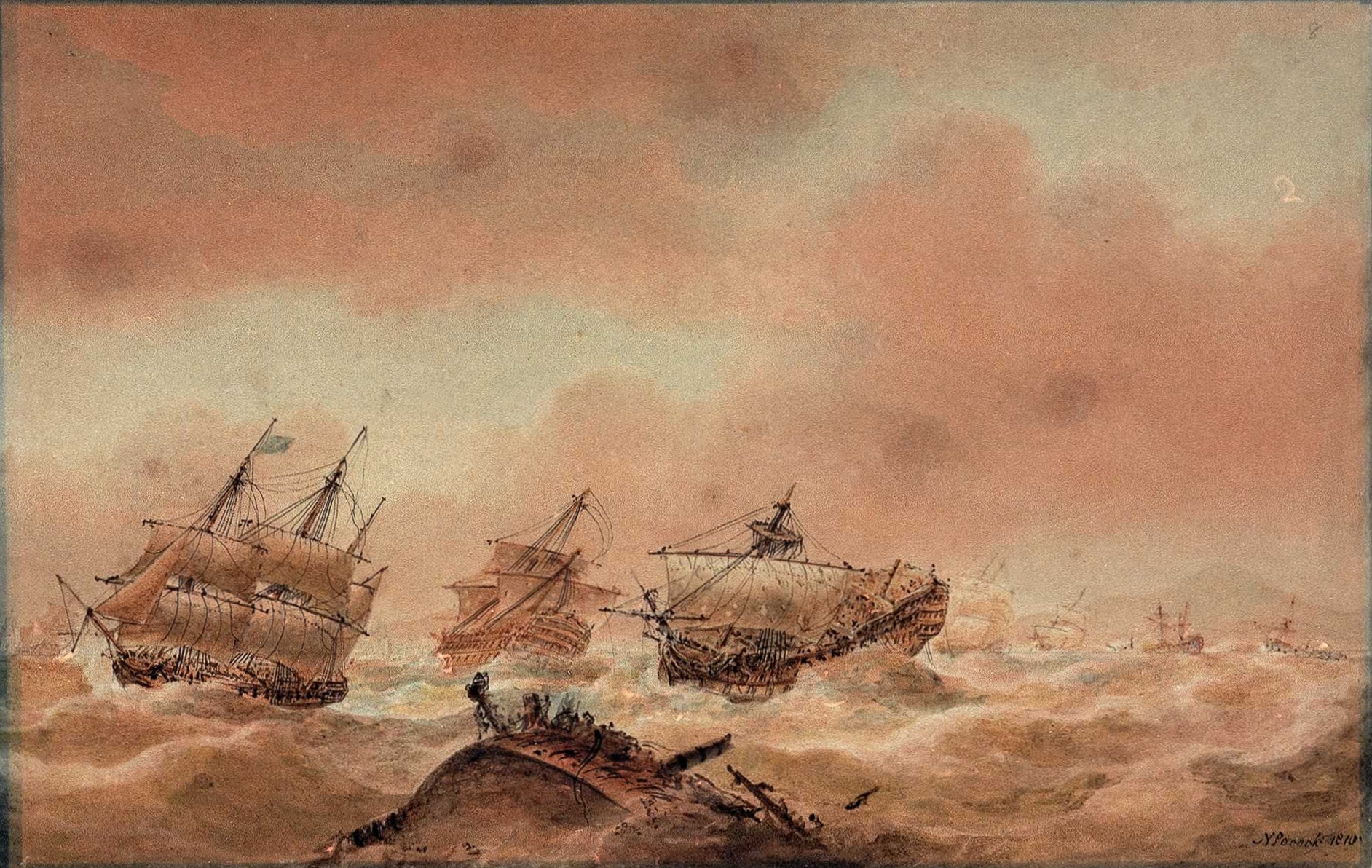
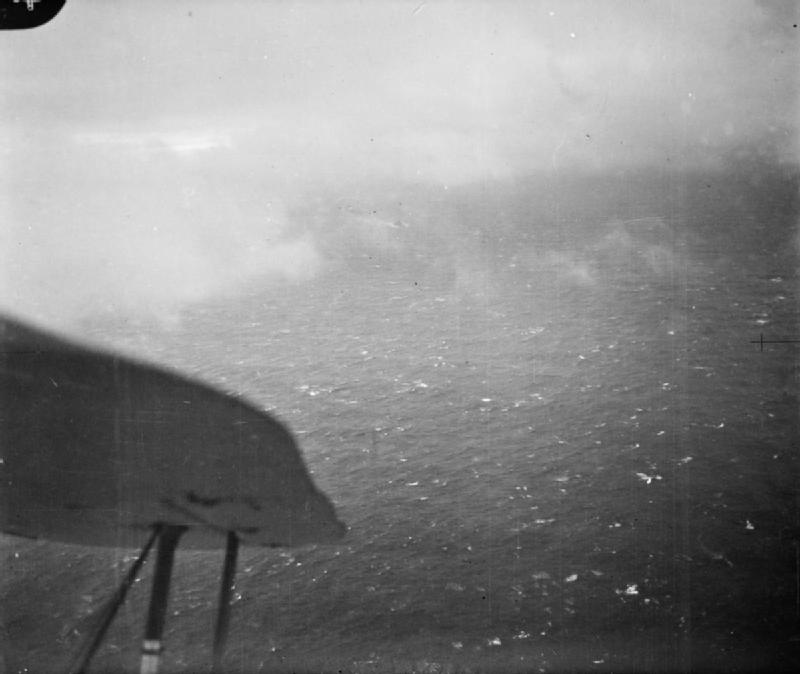
The Royal Navy's "Tobruk Ferry Service" ranks among the war's most dangerous missions. Destroyers and cruisers raced across the Mediterranean under cover of darkness, dodging German bombers and Italian submarines.
These warships weren't designed for cargo duty. Crews stripped out everything non-essential to make room for supplies, ammunition, and fresh troops.
The price was brutal. Ships were sunk, sailors were killed, and convoys were scattered by enemy action. Yet somehow, enough supplies got through to keep the garrison fighting.
Much like the little ships at Dunkirk, ordinary vessels performed extraordinary missions when their country needed them most.
Were the Desert Rats expendable pawns, or did they change the course of the war?
Churchill faced a brutal choice: risk everything to relieve Tobruk, or let the garrison fight to the last man. Political pressure mounted as newspapers called for immediate action.
But the strategic reality was complex. Every day Tobruk held out was another day Rommel couldn't advance toward Egypt and the Suez Canal. The siege tied down German forces desperately needed elsewhere.
Were the Desert Rats being sacrificed for the greater good? Or were they buying precious time for Britain to rebuild its desert forces?
The answer probably depends on whether you were sitting in a London war room or sweating in a Tobruk bunker.
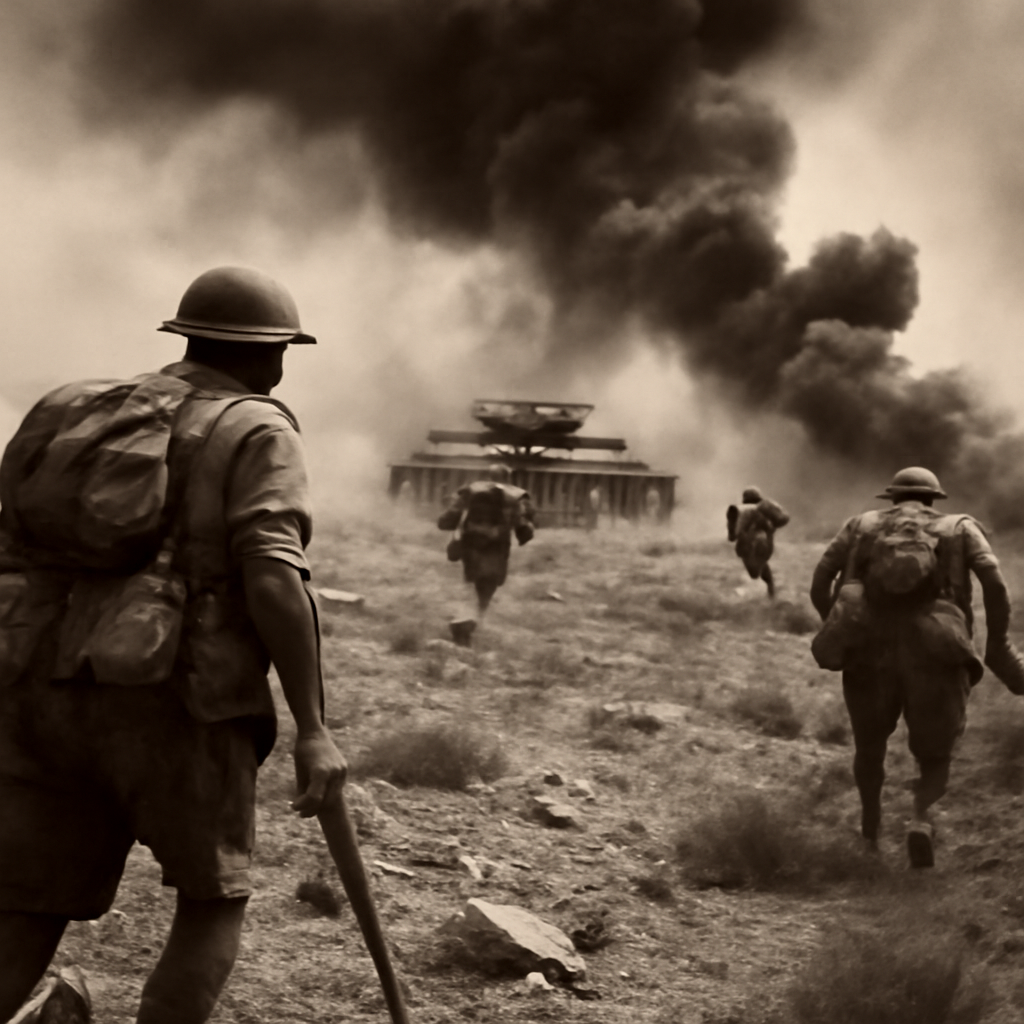
The breakout that almost wasn't: Operation Crusader's bloody finale
Operation Crusader finally broke the siege in December 1941, but relief came at a staggering cost. The Desert Rats had held for 241 days - longer than the defenders of Stalingrad would later manage.
Casualties were heavy on both sides. The siege had proven that determined defenders could stop even the most aggressive attacks, but it also showed the brutal price of such resistance.
The tactical lessons learned at Tobruk influenced desert warfare for the rest of the campaign. The Desert Rats had written the manual on defensive operations in harsh terrain.
They'd earned their legendary reputation the hard way - one day at a time, under fire, with their backs to the sea.
The Desert Rats proved that ordinary soldiers can achieve extraordinary things when they refuse to quit. What do you think made the difference - superior tactics, better leadership, or just plain stubbornness?