Orde Wingate was a brilliant strategist — but were the Chindits victims of his ruthless ambition? For decades, military historians have wrestled with this brutal question about one of World War Two's most controversial campaigns.
Deep in the Burmese jungle, thousands of Allied soldiers marched hundreds of miles behind Japanese lines, living off scraps and air drops while fighting an enemy that supposedly owned the jungle. The human cost was staggering. The strategic value? That's where the arguments really begin.
The Man Who Thought Like a Guerrilla
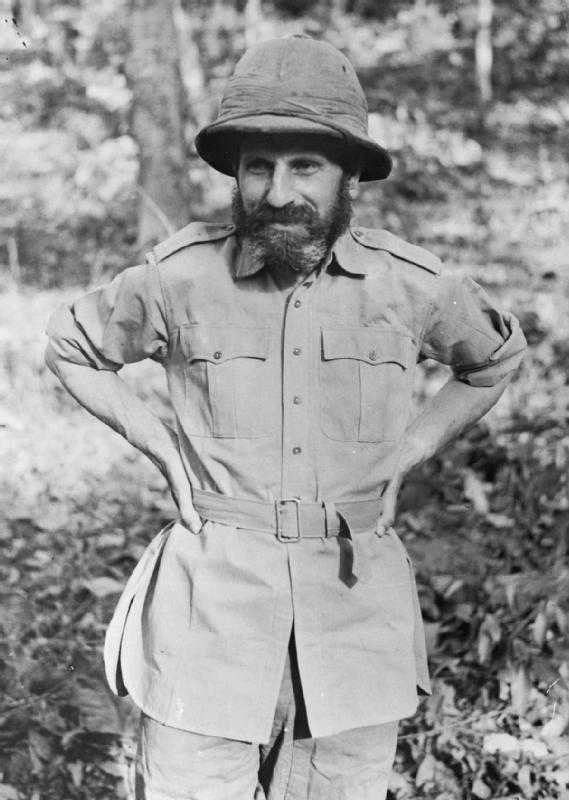
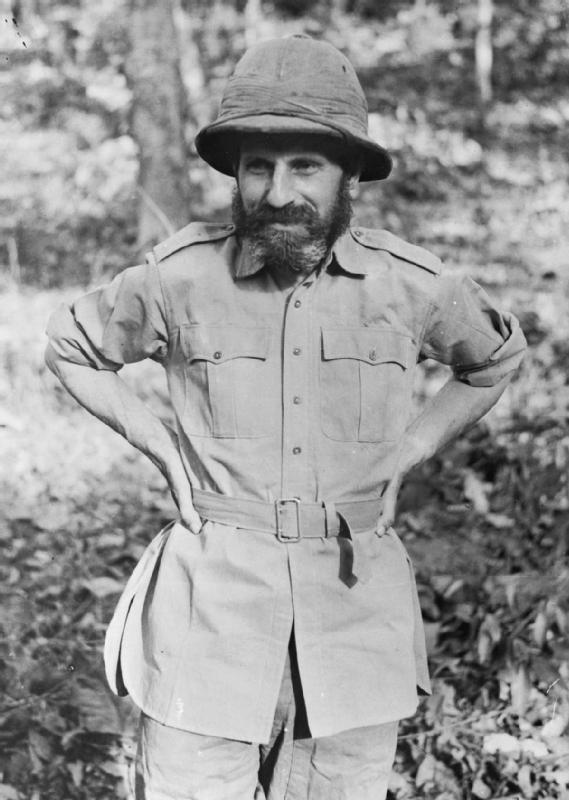
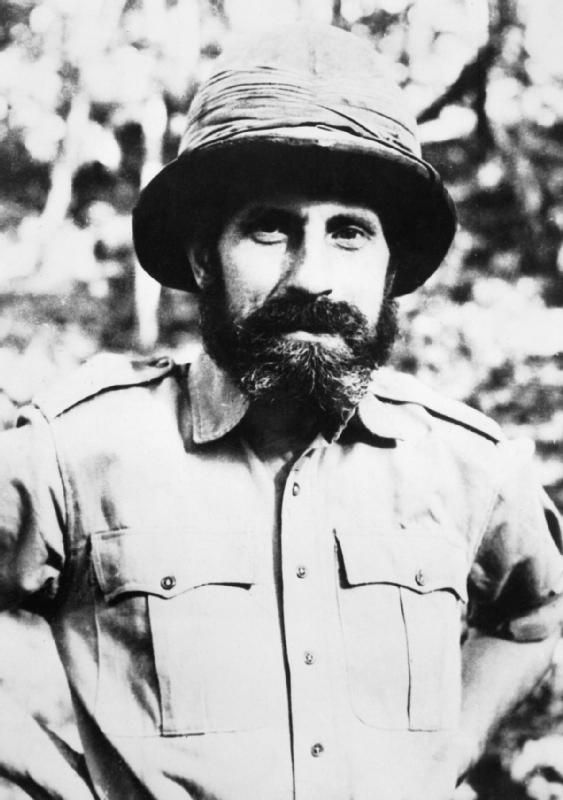
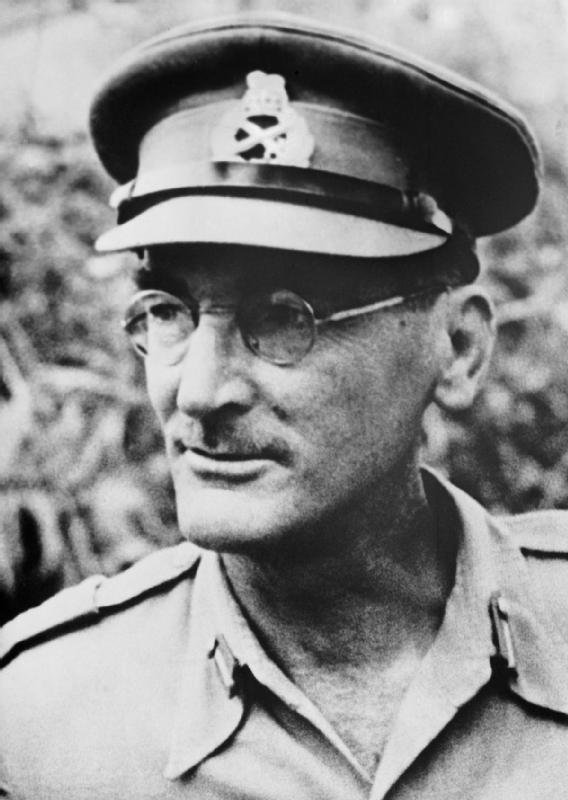
Major General Orde Wingate wasn't your typical British officer. Where others saw rigid military doctrine, he saw opportunity for chaos. His unconventional tactics in Palestine against Arab insurgents had already marked him as either a visionary or a loose cannon, depending on who you asked.
His experience in Ethiopia, leading irregular forces against Italian occupation, convinced Wingate that small, highly mobile units could achieve what massive conventional armies couldn't. The military establishment hated his methods. They called him eccentric at best, dangerous at worst.
But Wingate had something the Burma campaign desperately needed: a plan to take the fight to the Japanese on their own terms. His concept of "long-range penetration" would either revolutionize jungle warfare or get a lot of good men killed trying.
Operation Longcloth: First Blood in the Jungle
In February 1943, 3,000 men of the 77th Indian Infantry Brigade crossed the Chindwin River into Japanese-occupied Burma. They weren't there to hold territory — they were there to prove the impossible was possible.
The Chindits, named after the mythical Burmese lion-dog, carried everything they needed on their backs. When that ran out, RAF supply drops would keep them alive. When those failed, they ate whatever the jungle provided — if they were lucky.
The reality was brutal beyond imagination. Men marched through leeches, monsoons, and malarial swamps while Japanese patrols hunted them relentlessly. Disease killed more Chindits than enemy bullets ever did. But they kept moving, cutting Japanese supply lines and proving that Allied forces could operate deep in enemy territory.
When Churchill's Propaganda Machine Met Reality
Back home, Operation Longcloth became a propaganda triumph. Winston Churchill needed good news from the Far East, and Wingate's jungle fighters delivered headlines. The press painted them as heroes who'd beaten the Japanese at their own game.
The truth was messier. Of the 3,000 men who crossed the Chindwin, only 2,200 made it back. Most were physically broken, many never fully recovered, and their tactical achievements were limited. But Wingate had proven his point: the Japanese weren't invincible in the jungle.
His reward? Promotion to Major General and an audience with Churchill himself. While other special operations remained classified secrets, the Chindits became poster boys for British fighting spirit.
Operation Thursday: Going Big or Going Home
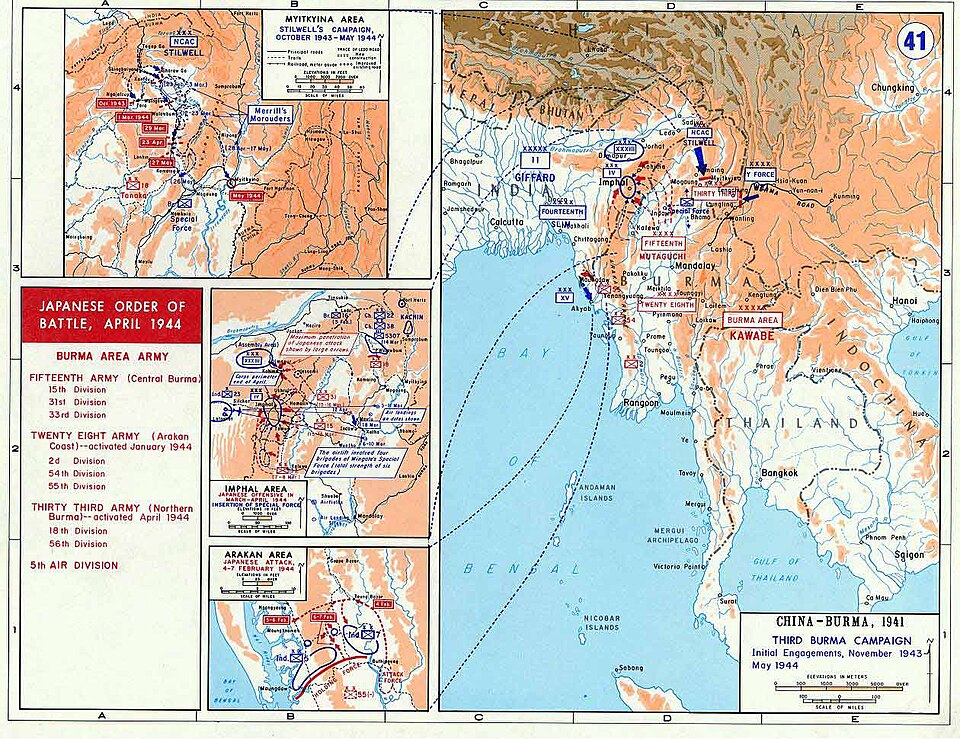
March 1944 saw Wingate's grand gamble: Operation Thursday. This time, 20,000 men would be flown directly into the heart of Japanese-controlled Burma in the largest airborne operation of the war to date.
The plan was audacious even by Wingate's standards. Instead of infiltrating small columns, entire brigades would establish fortified strongholds deep behind enemy lines. These "strongholds" would disrupt Japanese communications while supporting General Joseph Stilwell's advance from northern Burma.
Then disaster struck. Three weeks into the operation, Wingate died in an air crash. His death shattered morale and left the Chindits without their inspirational, if controversial, leader. The operation continued, but the driving force behind long-range penetration was gone.
The Price of Proving Japan Could Be Beaten
The numbers tell a grim story. Casualty rates among Chindit units often exceeded 50%. Those who survived frequently suffered long-term health problems from malnutrition, disease, and psychological trauma. Many never fully recovered from their jungle ordeals.
But did their sacrifice achieve something worthwhile? The operations forced Japan to divert significant resources to counter the Chindit threat. They proved Allied troops could fight effectively in jungle conditions, lessons that proved valuable in later Pacific campaigns.
Most importantly, they shattered the myth of Japanese jungle supremacy at a time when Allied morale in Southeast Asia desperately needed a boost.
Were the Chindits Heroes or Victims of Wingate's Ambition?
This question still divides military historians today. Wingate's supporters argue his tactics revolutionized special operations and contributed significantly to eventual Allied victory in Burma. His critics point to the horrific casualty rates and question whether the same resources might have been better used elsewhere.
The survivors themselves remained split. Some praised Wingate as a brilliant leader who gave them purpose in an impossible situation. Others never forgave him for the friends they lost in Burma's unforgiving jungle.
What's your verdict? Were the Chindits heroes who proved the Japanese could be beaten, or were they victims of one man's dangerous obsession with unconventional warfare? The debate continues, but their courage in the face of impossible odds remains undeniable.