Rommel was cunning — but the 7th Armoured Division was relentless. Which desert legend deserves more credit for writing the book on desert warfare?
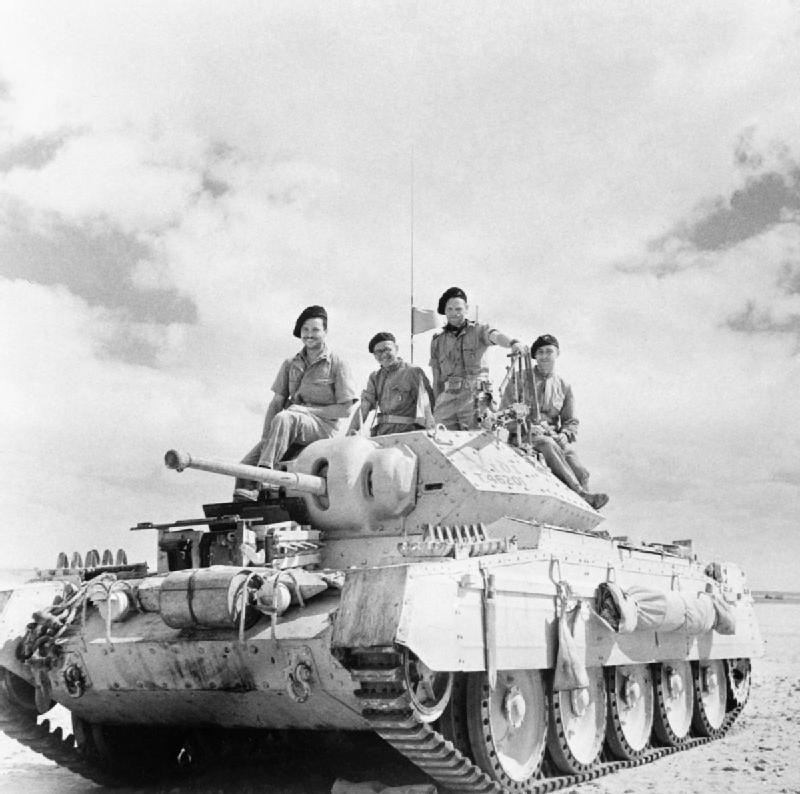
In the scorching wastelands of North Africa, where mirages danced on burning sand and men fought battles that would echo through history, one small badge became legendary. The jerboa — a tiny desert rat — seemed an unlikely symbol for warriors. Yet for three brutal years, this little creature adorned the shoulders of some of Britain's finest tank crews as they chased the Desert Fox across a continent.
Rommel was cunning - but the Desert Rats were relentless. Which desert legend deserves more credit?
Churchill didn't choose the 7th Armoured Division for the desert war by accident. When Britain desperately needed a unit that could match German panzer tactics, he handpicked these tank specialists. Their jerboa badge wasn't just cute — it was psychological warfare.
Desert rats survive by being resourceful, tenacious, and impossible to pin down. Sound familiar? The Germans quickly learned that these British tankers shared those exact qualities. When Rommel's Afrika Korps first encountered the 7th Armoured, they expected another easy victory over colonial troops.
Instead, they found opponents who fought like the desert itself — unpredictable, harsh, and utterly unforgiving. The jerboa badge became a warning: these weren't gentleman soldiers playing by European rules. They were desert survivors who'd learned to fight dirty.

Before El Alamein: The Early Desert Defeats
Operation Battleaxe should have been the Desert Rats' moment of glory. Instead, it nearly destroyed them. In June 1941, British commanders threw the 7th Armoured against Rommel's expertly positioned anti-tank guns. The result? A slaughter that left the desert littered with burning British tanks.
The Gazala Line collapse proved even more humiliating. Rommel outfoxed British generals so completely that the Desert Rats found themselves retreating in chaos toward Egypt. Tank crews who'd trained for years watched their machines burn while German 88mm guns picked them off from impossible distances.
That desperate retreat to El Alamein wasn't a strategic withdrawal — it was a near-rout. But those early disasters forged something harder than steel in the survivors. They learned that courage without cunning gets you killed, and that Rommel's reputation wasn't just propaganda.
The brutal mathematics of desert tank warfare
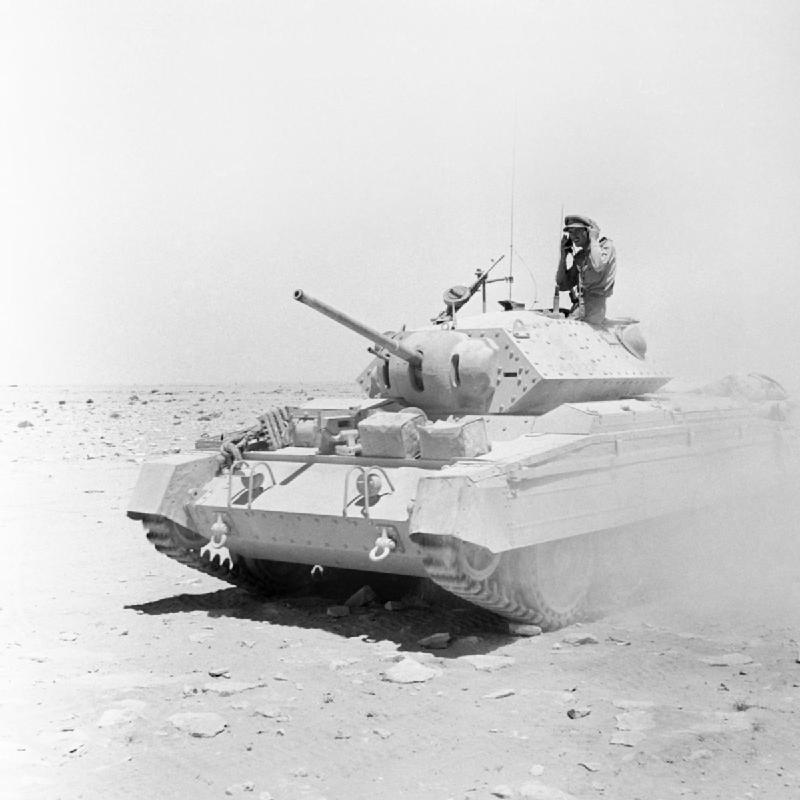
The Grant tank versus the Panzer IV sounds like a fair fight on paper. In reality, British tanks kept burning because German engineering was simply superior. Thicker armor, better guns, and crews trained in tactics the British were still learning.
But the real killer wasn't enemy tanks — it was the 88mm anti-aircraft gun. Rommel's genius was recognizing that this weapon could destroy any Allied tank at ranges where return fire was impossible. The desert became a killing field where British armor advanced into carefully prepared death traps.
Fighting a thousand miles from home base meant every spare part, every gallon of fuel, every tin of bully beef had to cross an ocean. Meanwhile, Rommel's supplies came across the Mediterranean. The logistics nightmare would have broken lesser units — the Desert Rats just adapted and kept fighting.
No "Gentlemanly War": Conditions in the Desert
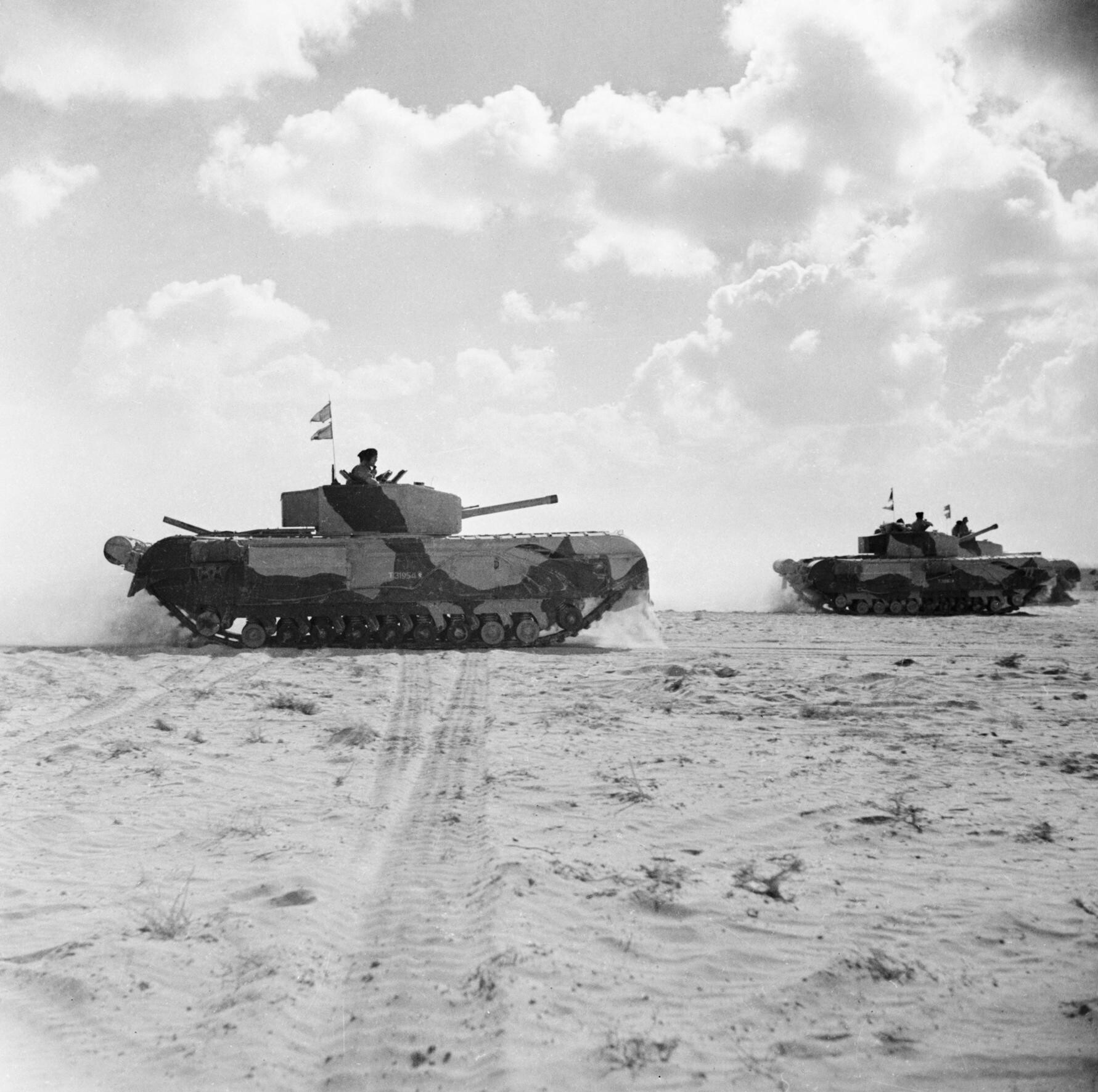
The North African campaign is sometimes remembered as a cleaner, more "gentlemanly" war than other theatres, in part because of the mutual professional respect between Commonwealth and Axis commanders. For the tank crews of the 7th Armoured Division, the day-to-day reality was harsher than that framing suggests.
Crews fought in armoured vehicles that became ovens under the desert sun, contended with dysentery and other illness, and endured chronic shortages of water in extreme heat. Attrition from mechanical breakdown and the conditions themselves rivalled losses from combat, and the strain on crews was severe even when they were not in action.
Rommel's grudging respect for his desert opponents
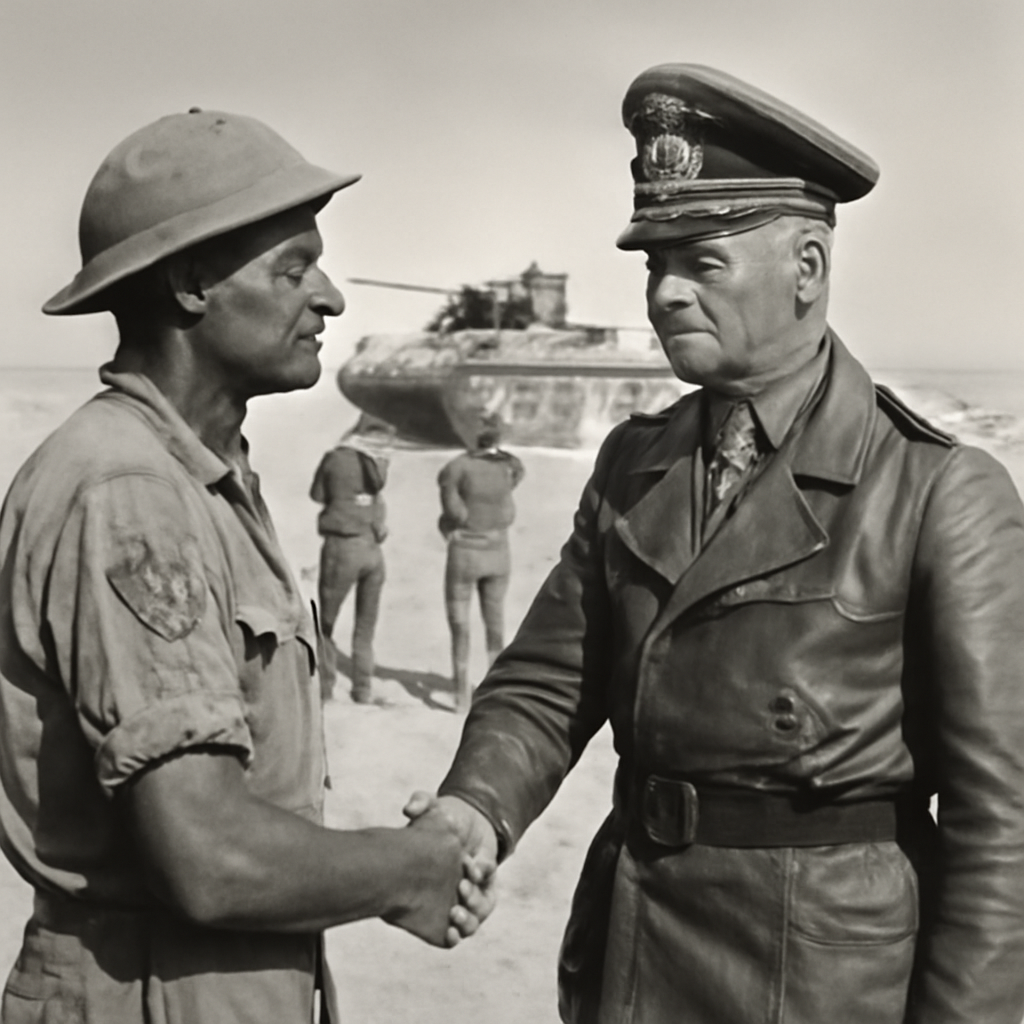
Even Rommel admitted the Desert Rats were different. In his personal diaries, he wrote: "The British soldier is tenacious in defense and capable of surprising tactical innovations." Coming from the Desert Fox, that was high praise indeed.
The prisoner exchanges showed something remarkable — mutual respect between enemies who recognized professional competence. German and British tank crews often shared water and medical supplies, understanding they were all fighting the desert as much as each other.
Rommel's memoirs reveal genuine admiration for his opponents' refusal to quit. Even in defeat, the Desert Rats regrouped and came back harder. That's what earned them a place in German military history as "worthy opponents."
From desert rats to D-Day veterans - the division's forgotten second act
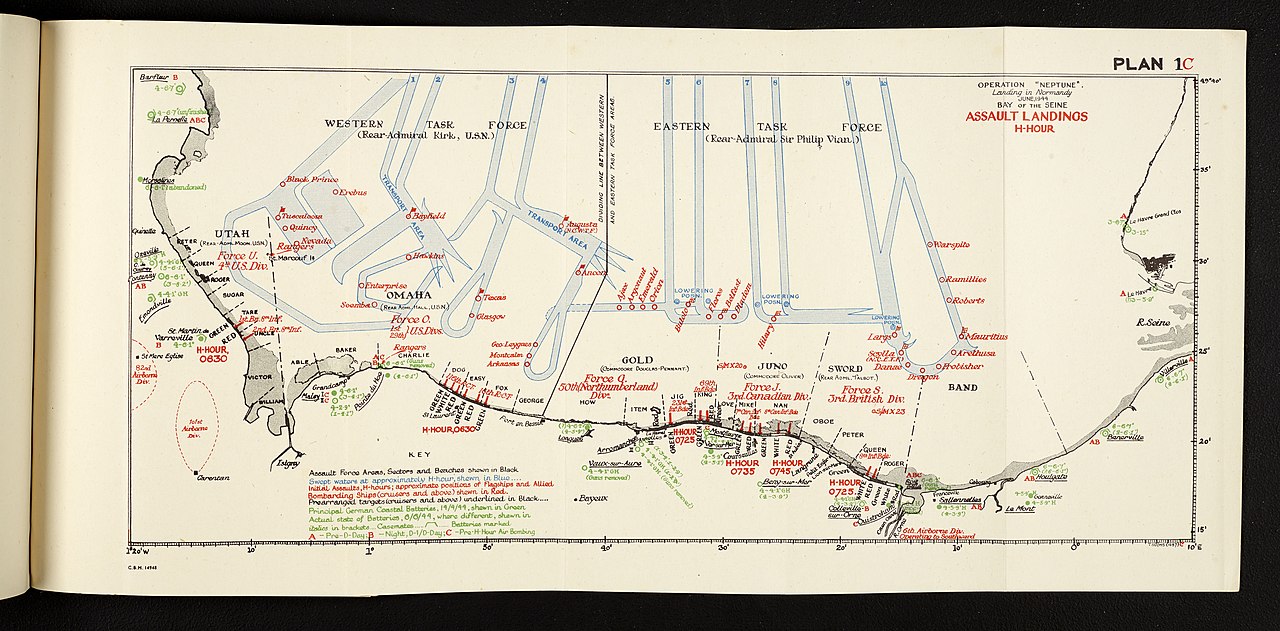
North Africa was just their opening act. When the Desert Rats landed on Gold Beach, they brought three years of hard-won experience to Normandy. Those jerboa badges that had terrorized German crews in the desert now rolled through French villages with battle-hardened confidence.
Their desert training proved invaluable in Europe. Tank crews who'd learned to navigate by stars and fight in impossible conditions adapted quickly to bocage country and urban warfare. They raced through France faster than units with twice their resources but half their experience.
Were the Desert Rats overrated heroes, or underappreciated legends?
The jerboa badge remains one of the most recognizable symbols in the British Army for good reason. The 7th Armoured Division pioneered tactics that modern tank warfare still uses. Their legacy shaped British military doctrine for decades.
Compared to famous American divisions like the Big Red One or celebrated German units like the Afrika Korps, the Desert Rats deserve equal recognition. They proved that British forces could match any enemy in mobile warfare — a lesson that extended far beyond the desert sands.
Were the Desert Rats the most underrated division of World War II? Their story deserves to be told by those who understand what real desert warfare cost.