The Quiz Question
Which November-December 2004 urban battle in Iraq, codenamed Operation Phantom Fury, is considered the bloodiest battle of the Iraq War for US forces?
- A. Second Battle of Fallujah
- B. Battle of Sadr City
- C. Battle of Ramadi
- D. Battle of Najaf
The answer is A. Second Battle of Fallujah. Here is the full story.
November 2004. A city of 300,000 people had been transformed into a fortified killing ground. Booby-trapped doorways. Tunnel networks running beneath entire neighbourhoods. Mosques turned into weapons depots. And somewhere in those dense, shadowed streets, an estimated 3,000 to 4,000 armed insurgents — dug in, waiting, and ready to die. What followed was the most intense urban combat American forces had experienced since the streets of Hue City in 1968.
Street by Street: The Most Savage Urban Battle Since Hue City
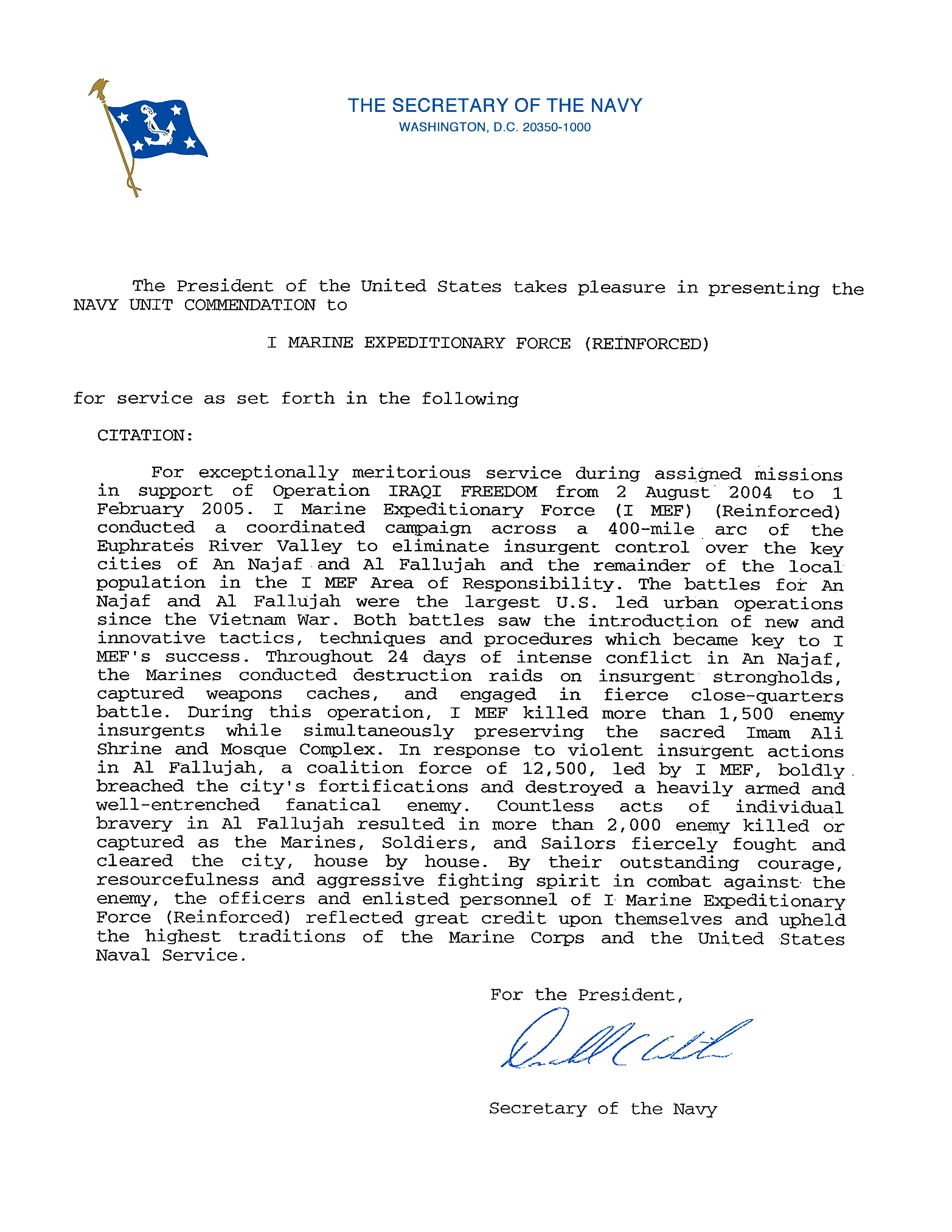
Operation Phantom Fury — known in Arabic as Al-Fajr, meaning "The Dawn" — ran from 7 November to 23 December 2004, spanning 47 brutal days. It was the largest offensive operation of the Iraq War and the single costliest engagement for coalition forces throughout the entire conflict.
More than 100 US servicemen were killed and over 600 wounded. Senior military commanders openly compared the ferocity of the house-to-house fighting to the 1968 Battle of Hue City during the Vietnam War — a comparison that speaks volumes about the intensity of what unfolded in those narrow Fallujah streets.
The battle didn't just test the courage of the men who fought it. It tested the very limits of modern urban warfare doctrine — and reshaped how Western armies trained for city fighting for decades afterward.
How Fallujah Became a Fortress: The Road to November 2004
Fallujah sits about 40 miles west of Baghdad in Anbar Province, a predominantly Sunni city with deep tribal roots and a long history of resistance to outside authority. Anti-coalition hostility took hold almost immediately after the 2003 invasion.
In April 2003, US troops fired on protesters outside a school, killing 17 Iraqis. That single incident poisoned relations between the city and coalition forces at the very start of the occupation. Then, in March 2004, four Blackwater security contractors were ambushed and killed, their bodies mutilated and hung from a bridge over the Euphrates — images that shocked the world and forced Washington's hand.
The First Battle of Fallujah — Operation Vigilant Resolve — began in April 2004 but was halted after just six days under intense political pressure. For insurgents, it was a propaganda gift. The city was effectively ceded to them, and Abu Musab al-Zarqawi's Al-Qaeda in Iraq network wasted no time in converting Fallujah into a command centre, training base, and weapons depot for foreign fighters flooding in from across the Arab world.
By autumn 2004, it was clear there would be no political solution. The assault would have to be military.
Planning the Storm: Coalition Forces Assemble
Lieutenant General John Sattler, commanding the 1st Marine Expeditionary Force, led the overall planning effort. Task Force Blue Diamond — approximately 13,500 coalition troops — brought together the 1st Marine Division, the US Army's 2nd Battalion 7th Cavalry Regiment, and critically, units of the fledgling Iraqi Army.
Iraqi Prime Minister Ayad Allawi formally authorised the operation, lending it political legitimacy ahead of Iraq's scheduled January 2005 elections. That authorisation mattered enormously — framing the assault as an Iraqi government action rather than a unilateral American offensive.
British forces played a supporting role that drew enormous attention back home. The Black Watch (Royal Highland Regiment) deployed to Camp Dogwood south of Baghdad, freeing up US troops for the assault. Four Black Watch soldiers were killed during the deployment, triggering fierce parliamentary debate at Westminster about the UK's role and the risks its forces were being asked to bear.
Coalition planners also ran deliberate deception operations to convince insurgents the assault would come from the south. The real main thrust came from the north — under cover of darkness, on the night of 7–8 November.
D-Day for Fallujah: The Assault Begins, 7–8 November 2004
At 19:00 on 7 November, US and Iraqi forces seized Fallujah General Hospital on the western bank of the Euphrates. The move was calculated: during the First Battle of Fallujah, the hospital had been used as an insurgent media platform to broadcast casualty figures and shape the narrative. Commanders were determined that would not happen again.
Shortly after midnight on 8 November, Task Force 2-7 Cavalry and Marine Regimental Combat Teams 1 and 7 breached the railway line on the northern edge of the city in a coordinated armoured thrust. The sky above Fallujah was anything but quiet — AC-130 Spectre gunships, F/A-18 Hornets, and AH-1W Super Cobra attack helicopters provided close air support throughout the opening assault.
Within 24 hours, coalition forces had seized the Hay Nazal and Askari districts in the north, punching a foothold into the city. But the insurgents had prepared meticulously. Hundreds of buildings were booby-trapped. Tunnels ran beneath houses. Sniper positions had been established at key choke points. Every city block had been turned into its own miniature battlefield.
The Fighting in the Streets: Week by Week Through the City
Marines from 3rd Battalion 1st Marines — the "Thundering Third" — led some of the fiercest clearing operations through the Jolan district, a dense northwest neighbourhood of narrow alleyways and tightly packed buildings that gave defenders every possible advantage. Progress was measured in metres, not miles.
Insurgents used mosques, schools, and medical facilities as fighting positions and weapons caches. Marines discovered more than 20 IED-making factories inside the city, along with enormous stockpiles of weapons and ammunition. Doorways were rigged with grenades. Floors were mined with pressure plates. Some fighters wore civilian clothing to blur the line between combatant and non-combatant.
By 13 November, coalition forces had secured roughly two-thirds of the city. But as insurgents were compressed southward, resistance intensified rather than collapsed. The fighting continued room by room, house by house, well into December. Major combat operations were officially declared over on 23 December 2004.
Faces of Phantom Fury: The Men Who Fought
Sergeant Rafael Peralta was a Mexican-born Marine serving with 1st Battalion 3rd Marines. On 15 November 2004, during a room-clearing operation in Fallujah, he pulled a grenade beneath his own body to shield his fellow Marines from the blast. He was posthumously awarded the Navy Cross after a lengthy and controversial Medal of Honor review — a debate that ran for years within the military community and reflected the extraordinary difficulty of assessing individual acts in the chaos of urban combat.
Staff Sergeant David Bellavia of the US Army's 2nd Battalion 2nd Infantry performed a remarkable individual action on 10 November, single-handedly clearing an insurgent-held house that had pinned down his platoon. His actions earned him the Medal of Honor, which was awarded by President Trump in 2019 — making him the only living recipient of the Medal of Honor from the Iraq War.
Embedded journalists brought the battle to living rooms around the world. Dexter Filkins of the New York Times and photographer Lucian Read produced some of the most visceral and widely read frontline accounts of the fighting, putting human faces on the statistics. Iraqi Army units fought alongside Marines throughout — their performance was uneven, but their presence was symbolically and politically essential to the operation's legitimacy.
The Human Cost: Casualties and the Destruction of a City
The final toll in American lives was approximately 95 US military personnel killed, with around 12 other coalition fatalities — over 600 Americans were wounded. These figures made Phantom Fury the single highest-casualty engagement of the Iraq War for coalition forces.
Insurgent dead were estimated between 1,200 and 1,500, with roughly 1,500 more captured. However, a significant number of fighters — including many senior leaders — had slipped out of the city before the assault began, a failure of the cordon that would have lasting strategic consequences.
The physical destruction of Fallujah was staggering. An estimated 70 to 75 percent of the city's buildings were damaged or destroyed. The United Nations described it as one of the most extensive urban destruction events since the Second World War. Of 300,000 pre-war residents, the vast majority had fled before the fighting; those who returned found entire neighbourhoods reduced to rubble.
The Pentagon later confirmed that US forces had used white phosphorus artillery rounds during the battle. The admission sparked an international controversy about the legality and ethics of deploying such munitions in populated urban areas — a debate that rumbles on in military and legal circles to this day.
Did It Work? The Aftermath and Strategic Consequences
In the immediate term, Phantom Fury achieved its core objective. Al-Qaeda in Iraq's most important urban stronghold was destroyed, its command structure disrupted, and its infrastructure dismantled ahead of the January 2005 elections — which went ahead, however imperfectly.
But Zarqawi himself escaped. Many of his senior lieutenants did too. Insurgent activity didn't disappear — it shifted, migrating to Mosul, Ramadi, and other cities across Anbar Province. Fallujah had been cleared, not pacified.
Reconstruction of the city was slow and widely regarded as inadequate. Many residents who returned found US forces occupying their damaged homes and discovered their possessions had been looted in the chaos. Fresh resentment layered itself over old wounds, and the political fractures that had made Fallujah a stronghold in the first place were left largely unaddressed.
By 2014, Fallujah had fallen again — this time to ISIS. For veterans of Phantom Fury, watching that happen was a particular kind of grief. The battle had been won. The war, in any meaningful political sense, had not.
Legacy: Why Phantom Fury Still Matters Twenty Years On
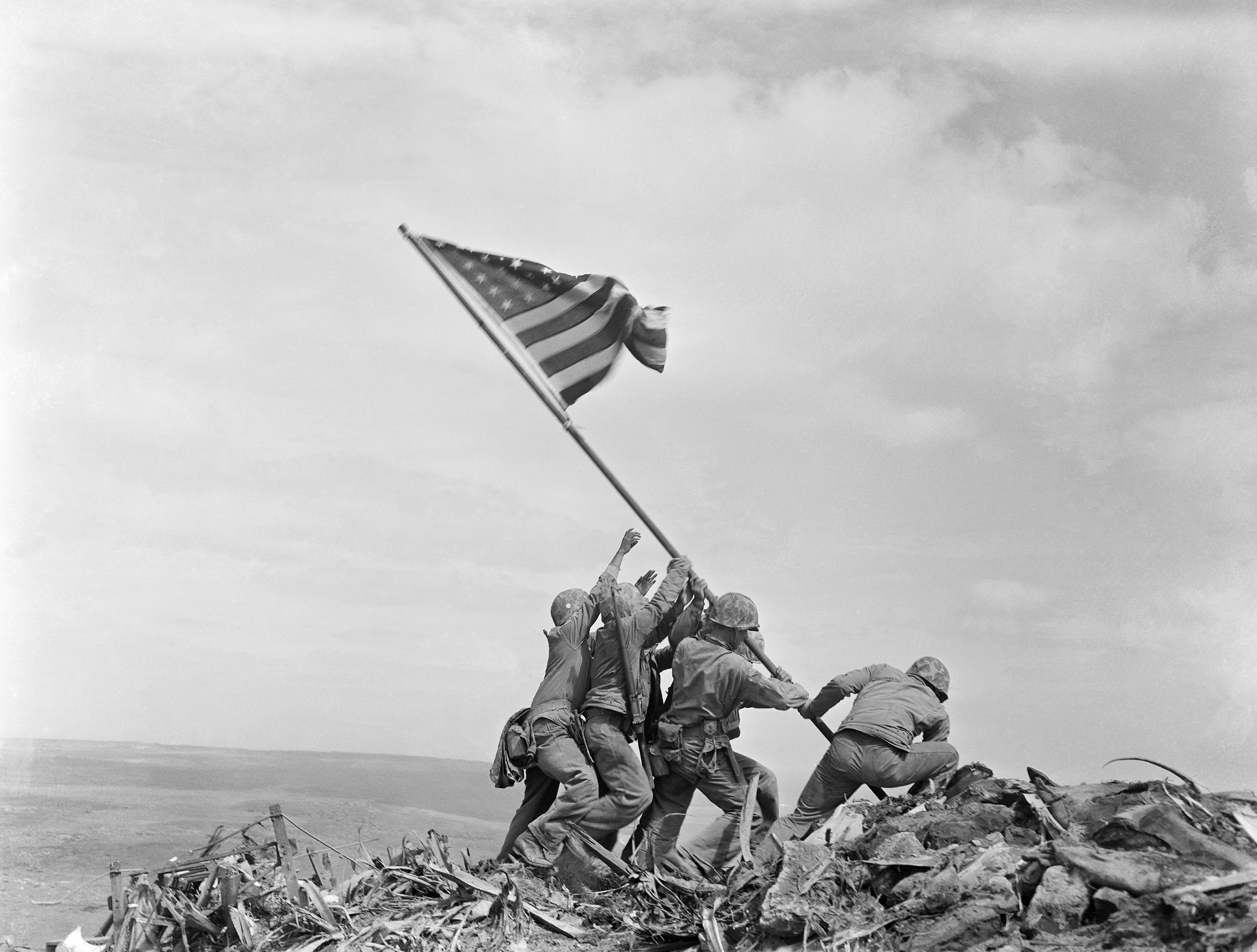
For the US Marine Corps, Fallujah has taken its place alongside Iwo Jima and the Chosin Reservoir in the Corps' collective memory — a byword for sacrifice, resilience, and hard urban combat at its most unforgiving. The battle produced a generation of combat veterans, many of whom rose to senior military and political positions carrying those experiences with them.
It also left thousands carrying invisible wounds. Studies have examined elevated rates of cancer, neurological disorders, and birth defects among Fallujah veterans and local civilians, with disputed but persistent questions about links to the munitions used during and after the battle. The full human cost — physical and psychological — has never been fully tallied.
Annual commemorations are held by Marine veteran communities across the United States. Memorials to those lost at Fallujah appear at military bases and in towns from California to the Carolinas. The battle is taught in military academies and staff colleges as the defining case study in 21st-century urban warfare — a brutal, irreplaceable lesson in what happens when conventional military power meets a determined, deeply embedded insurgency in the streets of a populated city.
Twenty years on, the lessons of Phantom Fury are still being absorbed — by soldiers, by strategists, and by historians trying to make sense of a conflict that reshaped the modern world.
If you have a personal connection to Operation Phantom Fury — as a veteran, a family member, or someone who followed the battle closely — we'd love to hear your thoughts in the comments below. And if this article brought the story to life for you, please share it with someone who cares about military history.
Further Reading
- United States Marine Corps History Division — official repository of Marine Corps operational records and battle histories
- The National Archives (United States) — holds declassified military operational records from the Iraq War period
- Imperial War Museum, London — collections covering British forces' involvement in Iraq, including the Black Watch deployment
- United States Army Center of Military History — publishes official histories and operational studies of Iraq War engagements
- Naval Institute Press — publisher of significant works on Marine Corps operations in Fallujah and urban warfare doctrine