The SAS might grab the headlines, but ask any veteran who's served alongside both units and they'll tell you the truth: when the shooting starts, you want Gurkhas on your flank. For over 200 years, these warriors from Nepal's mountains have carved out a reputation that makes hardened soldiers nervous and enemies surrender before the first shot.
Their story begins with Britain's humbling defeat in the hills of Nepal, and continues through every major conflict since. Armed with their legendary kukri knives and an unbreakable code of honor, they've proven time and again that size doesn't matter when your heart beats with the rhythm of war drums.
The SAS was elite - but the Gurkhas were unstoppable. Which regiment truly owns the title of Britain's fiercest?
In 1814, British East India Company forces marched confidently into Nepal, expecting another easy colonial victory. Instead, they met warriors who fought like demons in terrain that seemed designed to break invading armies. The Gurkhas didn't just defeat the British - they humiliated them.
General Sir David Ochterlony, commanding British forces, watched his supposedly superior troops crumble against Gurkha tactics. These weren't the parade-ground soldiers the British were used to fighting. They were mountain fighters who appeared from nowhere, struck like lightning, and vanished into mist.
After two years of costly warfare, British commanders made an unprecedented decision: if you can't beat them, recruit them. The Treaty of Sugauli in 1816 allowed Britain to enlist Gurkha soldiers - former enemies who had just proven their worth in blood. Critics called it desperate. History would call it genius.
Within months, Gurkha regiments were outperforming British units across India. Their discipline, courage, and tactical intelligence made them indispensable. The conquered had become the conquerors' most trusted allies.
The Gurkhas at Gallipoli: A Sacrifice Often Overlooked
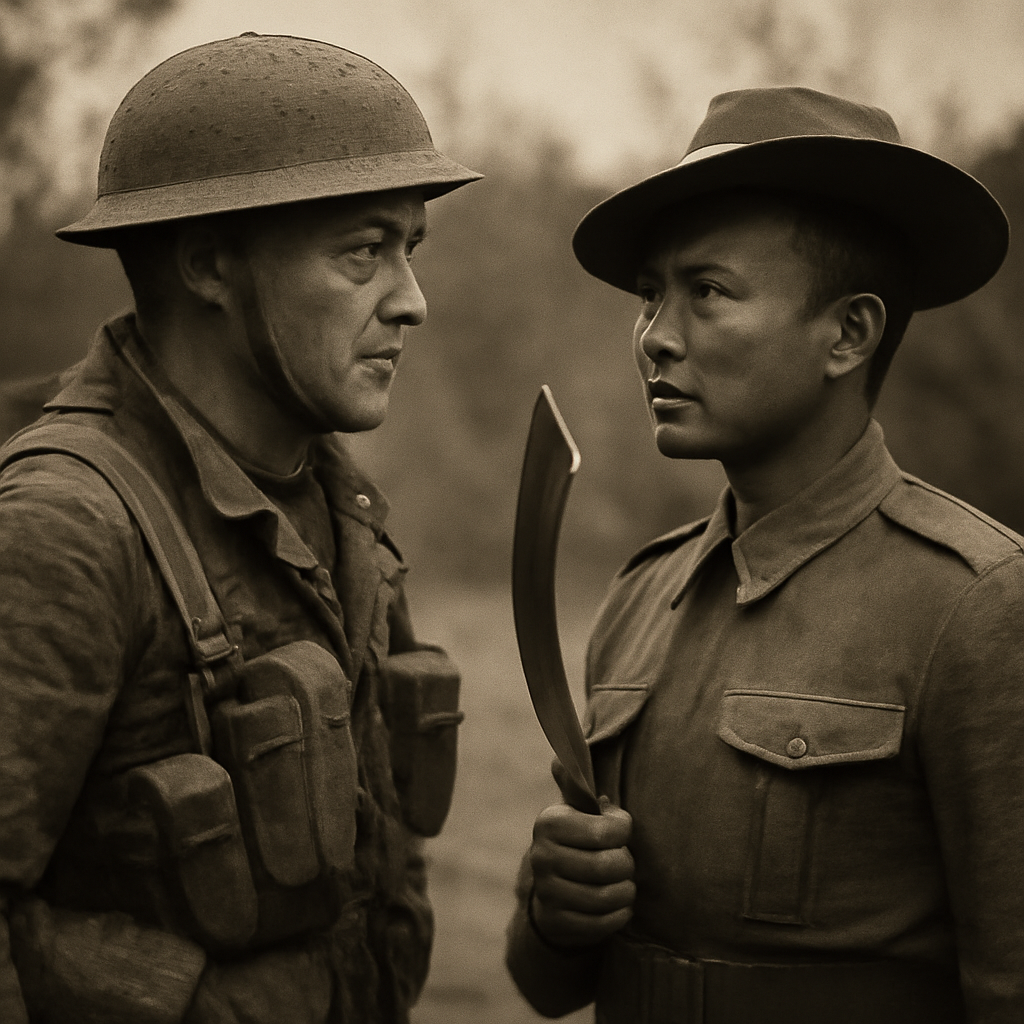
While British historians celebrate Gallipoli as a noble failure, they barely mention the Gurkha battalions who turned sections of that hellish peninsula into Ottoman nightmares. The 1st/5th Gurkha Rifles didn't just fight at the Dardanelles - they rewrote the rules of trench warfare.
Their night raids became legendary among both sides. Ottoman soldiers would wake to find their sentries gone, throats cut silently by men who moved like ghosts. The psychological impact was devastating - Turkish troops began abandoning forward positions rather than face another Gurkha night attack.
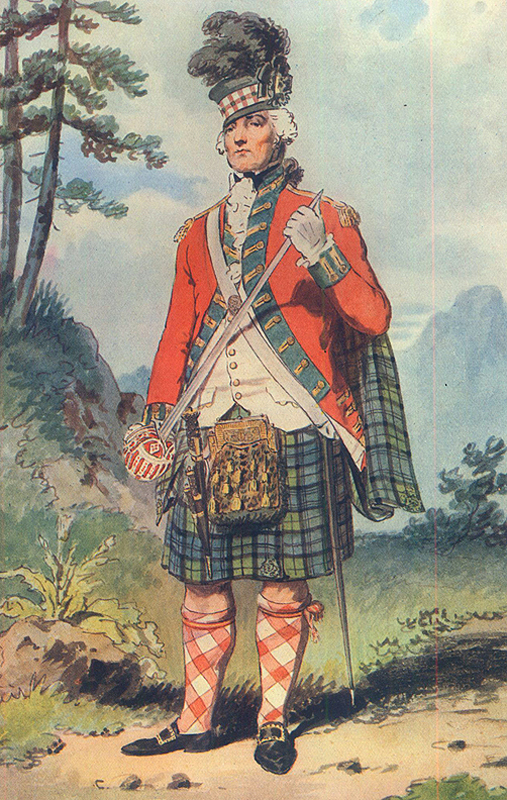
On the Western Front, German intelligence reports spoke fearfully of "die kleinen Männer mit den großen Messern" - the little men with big knives. Even Scotland's Black Watch, no strangers to fierce fighting, respected the Gurkhas' ability to break enemy morale simply by being there.
The casualty rates tell the real story. Gurkha regiments suffered losses that would have shattered lesser units, yet they kept fighting. Over 200,000 Gurkha soldiers served in World War I, with 20,000 never returning home.
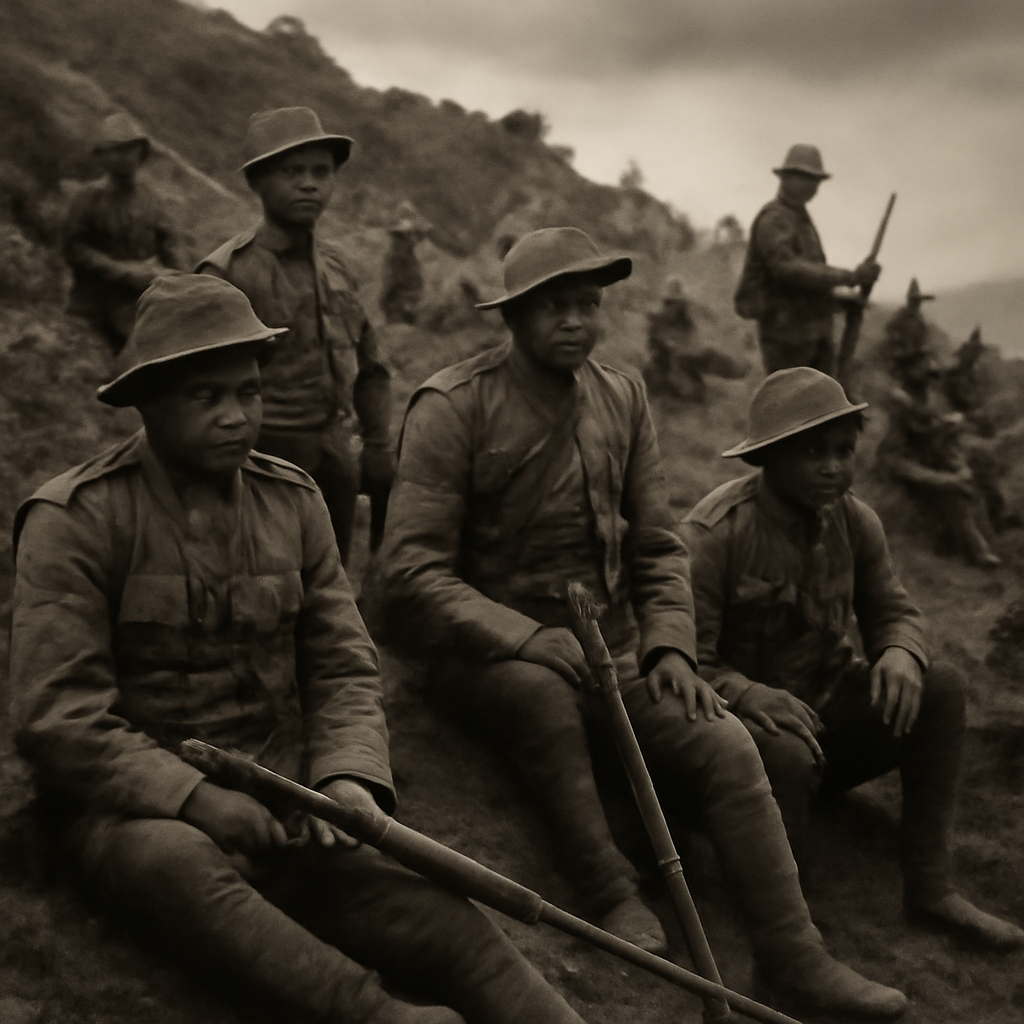
The kukri: more than a weapon - it's a psychological warfare tool
The curved blade of the kukri isn't just designed for cutting - it's engineered for terror. That distinctive forward curve concentrates force at the point of impact, making it devastatingly effective in close combat. One swing could sever a limb or decapitate an enemy.
But the kukri's real power lies in psychology. Enemy soldiers who saw that blade drawn knew they faced warriors who preferred close combat to distant gunfire. The sight alone has broken charges and ended battles before they began.
Traditional Gurkha belief holds that once drawn, the kukri must taste blood - even if it's just a small cut on the wielder's thumb. This isn't superstition; it's psychological conditioning that makes hesitation impossible in combat.
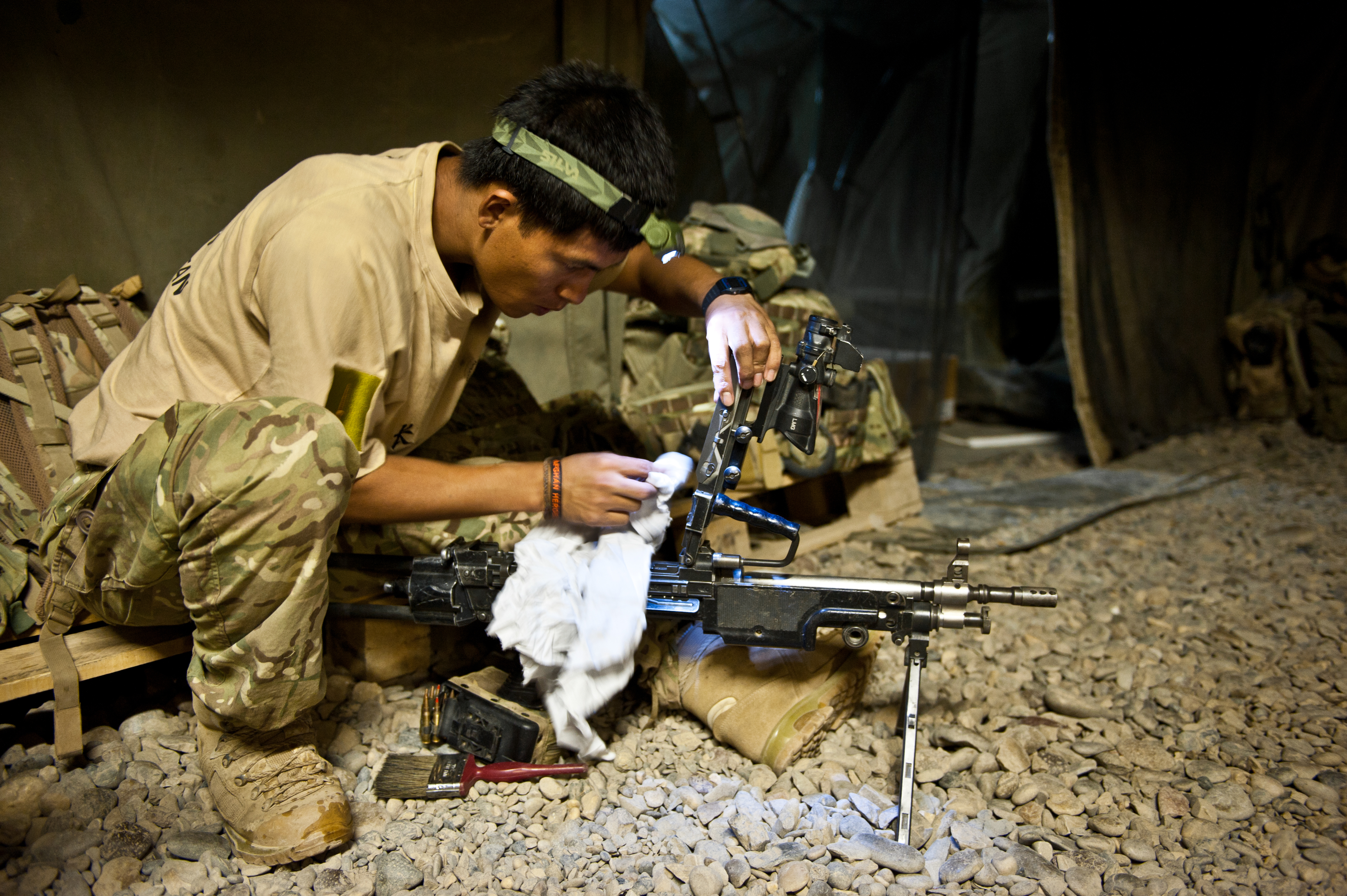
Modern Gurkha units still carry kukris alongside their assault rifles and high-tech equipment. Ancient tradition adapts to contemporary warfare, but the blade's presence reminds everyone involved what these soldiers represent.
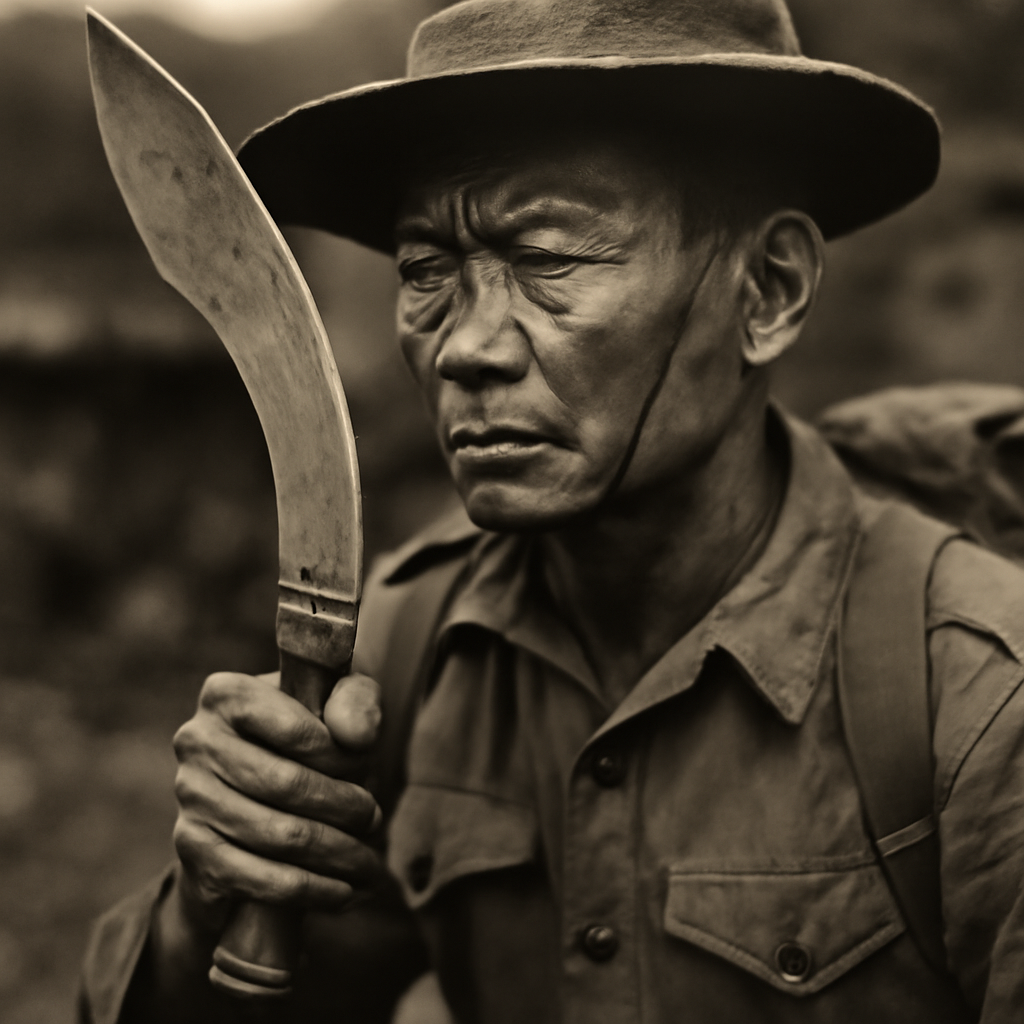
Monte Battaglia: the bloodiest fight you've never heard of
In September 1944, 200 Gurkhas from the 2nd/8th Gurkha Rifles faced impossible odds on a Italian hilltop called Monte Battaglia. For three days and nights, they held off 2,000 German troops determined to break through Allied lines.
The fighting was medieval in its brutality. When ammunition ran low, kukris came out. When German assault teams breached the perimeter, individual Gurkhas fought hand-to-hand against multiple enemies. The hill became a charnel house where courage was measured in bodies per yard.
Captain Michael Allmand won the Victoria Cross posthumously for leading charge after charge against impossible odds. His actions epitomized what made Gurkhas different - they didn't retreat when defeat seemed certain; they attacked harder.
Monte Battaglia changed the Italian campaign's momentum, yet most British military histories barely mention it. Perhaps some victories are too brutal for comfortable remembering.
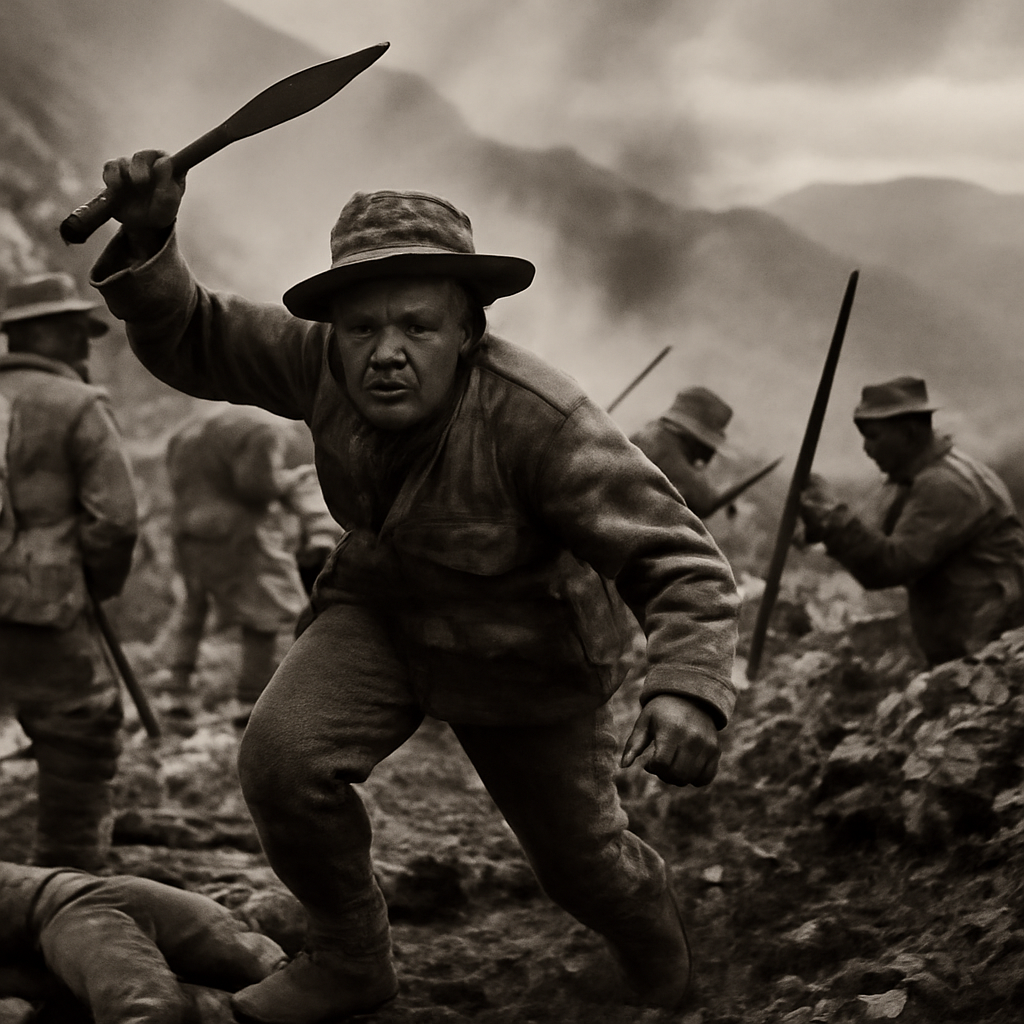
The Gurkha Reputation in Burma
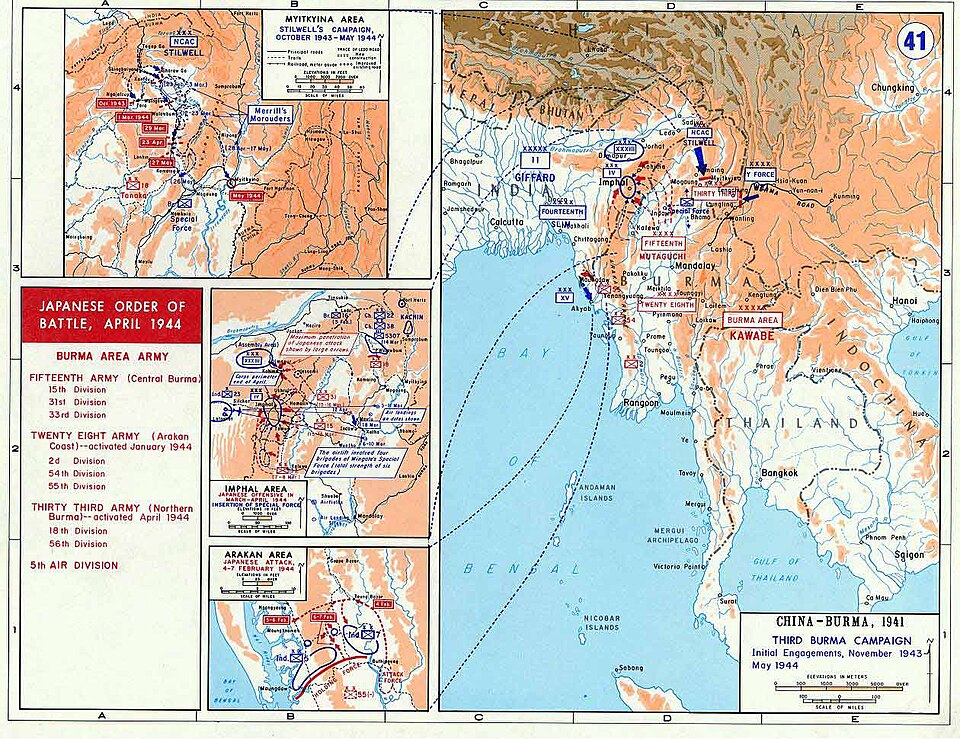
The Burma campaign was among the most gruelling of the war, fought across jungle, monsoon and disease. Gurkha units serving with the Fourteenth Army earned a formidable reputation for fieldcraft, endurance and close-quarters fighting in that terrain.
That reputation is borne out by the record: Gurkha soldiers won multiple Victoria Crosses in the Burma theatre, and their steadiness in defence and patrolling was noted repeatedly in unit histories. The popular image of the kukri-armed Gurkha has sometimes been exaggerated into caricature, but the underlying combat record in Burma is well documented.
From the Falklands to Afghanistan: proving themselves again and again
The Falklands War introduced Gurkhas to modern warfare's realities, and they adapted with typical efficiency. Argentine forces quickly learned to fear the distinctive silhouette of Gurkha soldiers advancing across the islands' windswept terrain.
In Iraq and Afghanistan, Gurkha regiments proved that traditional fighting spirit translates perfectly to counter-insurgency operations. Their ability to build rapport with local populations while maintaining tactical superiority made them invaluable in both conflicts.
Taliban fighters developed the same healthy respect for Gurkhas that previous enemies had learned. Intercepted communications spoke of avoiding areas patrolled by "the small soldiers with knives."
Yet even as they bled for Britain in modern conflicts, Gurkha veterans fought bureaucratic battles for basic pension rights and UK residency. Their valor was unquestionable; their treatment by the government they served remained shameful.
Were British recruitment policies exploitative colonialism, or mutual military partnership?
Economic reality drives most military recruitment, and Nepal's limited opportunities made British service attractive for young men seeking advancement. But calling this pure exploitation ignores the genuine pride Gurkha communities take in military service.
The pension battles that continue today highlight uncomfortable truths about how Britain treated its most loyal soldiers. Equal service deserved equal treatment, yet Gurkha veterans received substantially less than their British counterparts for decades.
Within Gurkha communities, opinions remain divided. Older veterans often express genuine affection for British institutions and comrades, while younger voices question whether continued service serves Nepal's interests or Britain's convenience.
Modern Gurkha veterans increasingly view their legacy through their own lens rather than British narratives. Their service record speaks for itself - the question is whether that service was properly honored by those who benefited from their sacrifice.
What's your take on the Gurkhas' place in British military history? Were they Britain's finest fighting force, or does another regiment deserve that title?