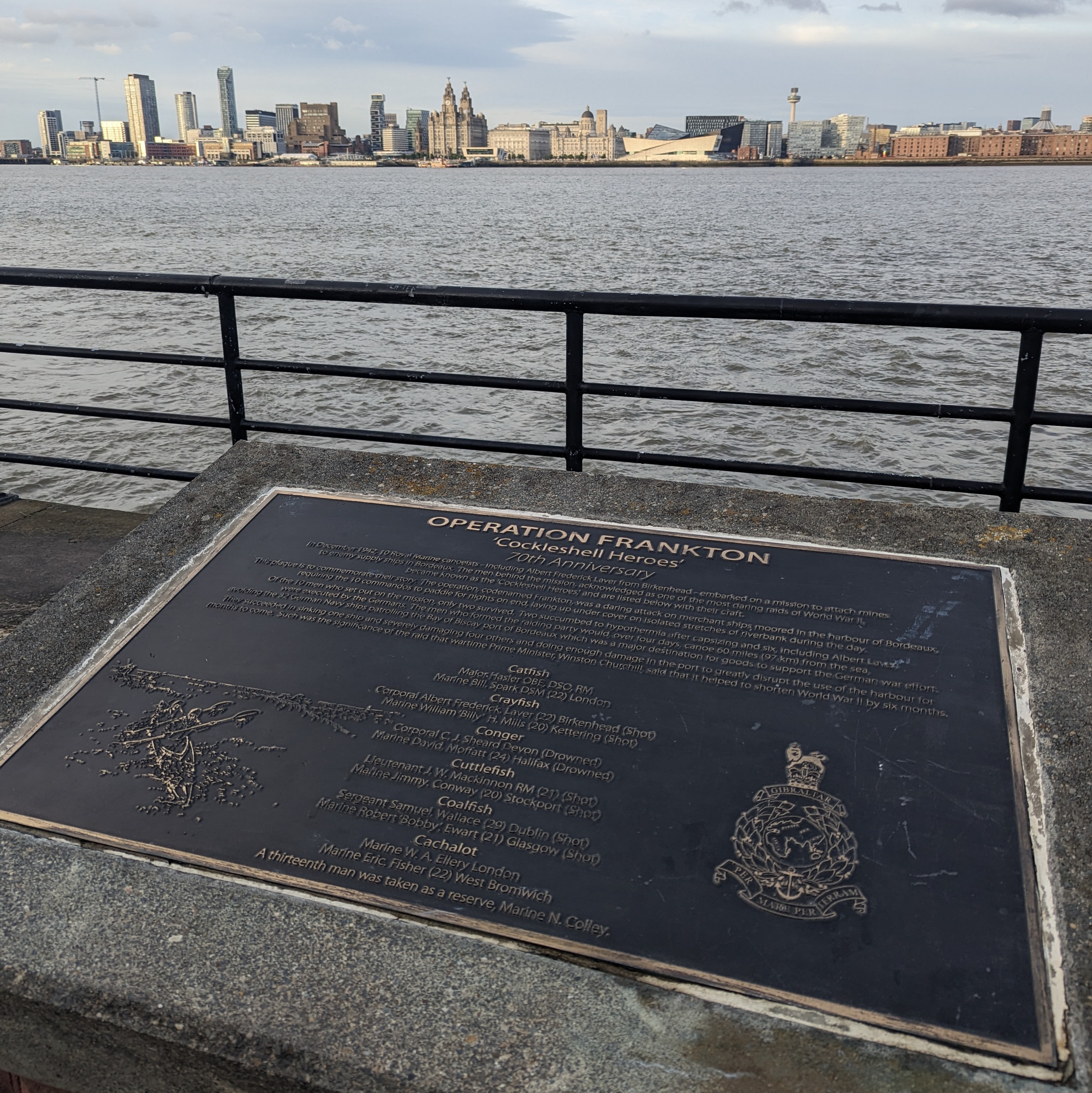
When D-Day gets all the glory, who remembers the ten men who paddled to their deaths in tiny canoes just eighteen months earlier? On December 7, 1942 — the same date as Pearl Harbor — Operation Frankton launched from a British submarine off the French coast. Ten Royal Marines crammed into five flimsy canvas canoes faced an impossible mission: paddle 70 miles up the heavily defended Gironde estuary to plant limpet mines on German ships in occupied Bordeaux.
Churchill himself approved this near-suicidal raid despite astronomical odds. The Germans had turned the estuary into a fortress — patrol boats prowled the waters, searchlights swept the shoreline, and thousands of troops manned coastal defenses. Yet somehow, the Prime Minister believed a handful of marines in glorified kayaks could slip through undetected.
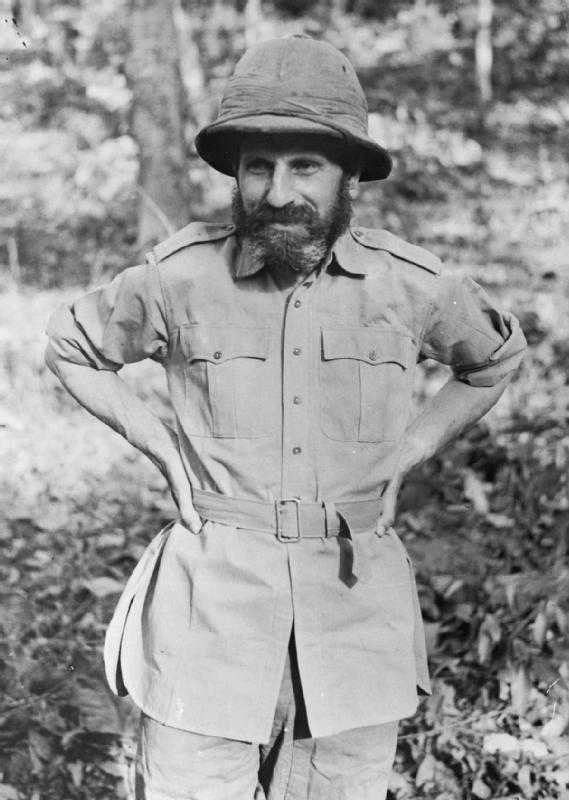
Major 'Blondie' Hasler was methodical - but his men were pure guts
Major Herbert 'Blondie' Hasler wasn't your typical gung-ho officer. This methodical Royal Marine engineer designed the folding 'Cockle Mark II' canoes specifically for stealth operations. He recruited volunteers from the Royal Marine Boom Patrol Detachment and put them through months of brutal training in Scottish lochs and Welsh rivers.
Each man carried limpet mines, survival gear, and — chillingly — suicide pills in case of capture. The average age was just 22, younger than today's university graduates. These weren't hardened veterans but young men who volunteered for almost certain death.
While Hasler calculated every detail, his marines brought something no amount of planning could provide: raw courage. They knew the odds, they knew most wouldn't return, and they paddled out anyway.
The submarine drop-off that doomed half the raiders before they started
HMS Tuna surfaced ten miles from the French coast in rough December seas. Within minutes, disaster struck. The first canoe suffered damage during launch — its crew vanished into the darkness, never to be seen again.
The second canoe separated in the darkness within hours, leaving just three canoes to continue the mission. Navigation relied on compass and dead reckoning in enemy waters where German coastal patrols missed them by mere minutes multiple times.
Half the raiding force was already lost, and they hadn't even reached the estuary. The survivors pressed on, knowing each paddle stroke took them deeper into Nazi-occupied territory with no hope of rescue.
Six limpet mines that changed Hitler's Atlantic Wall strategy
Only Major Hasler and Marine Bill Sparks actually reached Bordeaux's shipping lanes. Under cover of darkness, they attached magnetic limpet mines to four cargo ships and two tankers before melting back into the night.
The explosions that followed sank two ships and damaged four others — modest material damage by conventional standards. But the psychological impact on the German high command was immeasurable. Hitler immediately ordered the reinforcement of every Atlantic port, pulling thousands of troops from frontline positions.
Six explosive charges had forced a massive redeployment of German resources. The Home Guard back in Britain never imagined that ten marines in canoes could accomplish what entire bomber squadrons couldn't.
The 100-mile escape that became a legend
With their canoes abandoned, Hasler and Sparks began the most dangerous part of their mission: a 100-mile overland escape through occupied France. French Resistance fighters risked their lives and their families' lives to hide the British raiders.
The three-month journey to Spain became the stuff of legend. Meanwhile, other survivors weren't so fortunate — captured by German forces and executed by firing squad, their sacrifice hidden from the world for decades.
Hasler's eventual return and detailed debrief revolutionized special operations training. His methodical approach to behind-the-lines warfare influenced everything from SAS tactics to modern special forces doctrine.
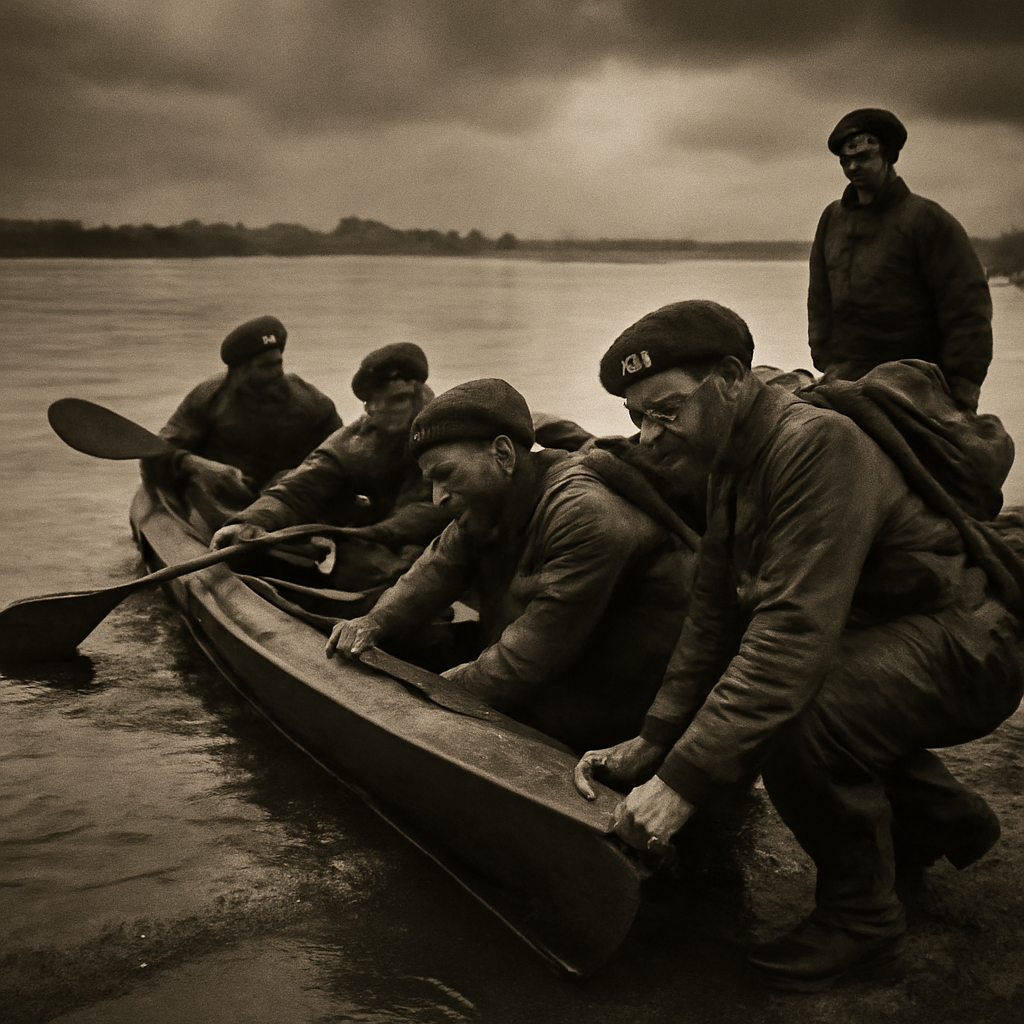
Were the Cockleshell Heroes forgotten heroes, or strategic masterpiece?
Military historians still debate Operation Frankton's true value. The material damage was minimal compared to what conventional bombing could achieve. Eight men died for six explosive charges — a devastating exchange rate by any measure.
Yet the raid's psychological impact rippled through German strategy for the remainder of the war. Every coastal defense had to be strengthened, every port reinforced. Resources that could have been used against advancing Allied forces were instead tied up guarding against future "cockleshell heroes."
Perhaps that's the real victory — not the ships sunk or damaged, but the fear planted in enemy minds. The knowledge that nowhere was truly safe from British audacity and marine courage.
Were the Cockleshell Heroes a glorious waste of brave men, or the most cost-effective raid in military history? Eight lives for a strategic shift that helped win the war — you decide if that trade was worth it.