Hollywood's version of The Great Escape gave us Steve McQueen's iconic motorcycle chase and a sanitized tale of Allied heroism. The reality was far darker, more complex, and infinitely more tragic than any film dared show.
When 76 Allied airmen crawled through a tunnel on March 24, 1944, they triggered one of the most savage war crimes in Nazi Germany's playbook. Most moviegoers never learned what happened next.
Hollywood Got The Great Escape Wrong - And Here's What Really Happened
Steve McQueen's motorcycle chase never happened. Pure Hollywood fiction. The real escape was methodical, desperate, and ended in mass murder that the 1963 film completely whitewashed.
The movie sanitized the brutal Nazi response because audiences in 1963 weren't ready for the truth. Fifty Allied airmen were executed in cold blood on Hitler's direct orders. The film turned this war crime into a feel-good adventure story.
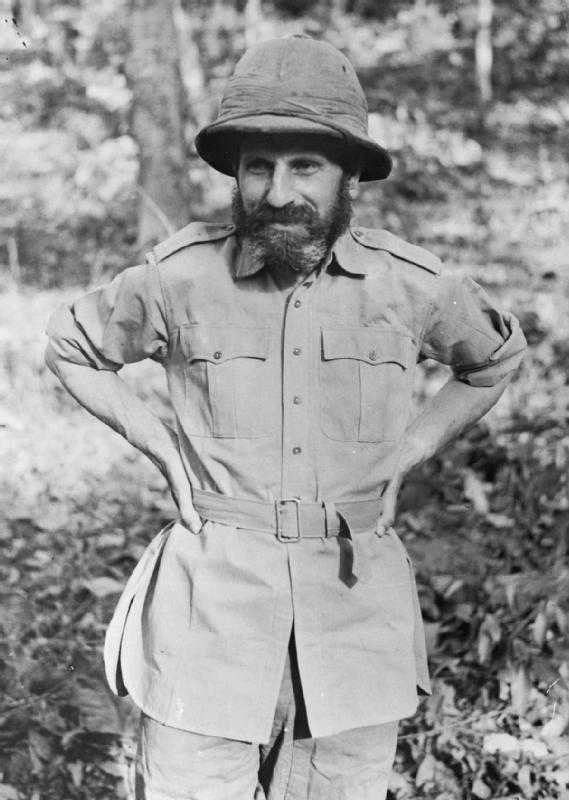
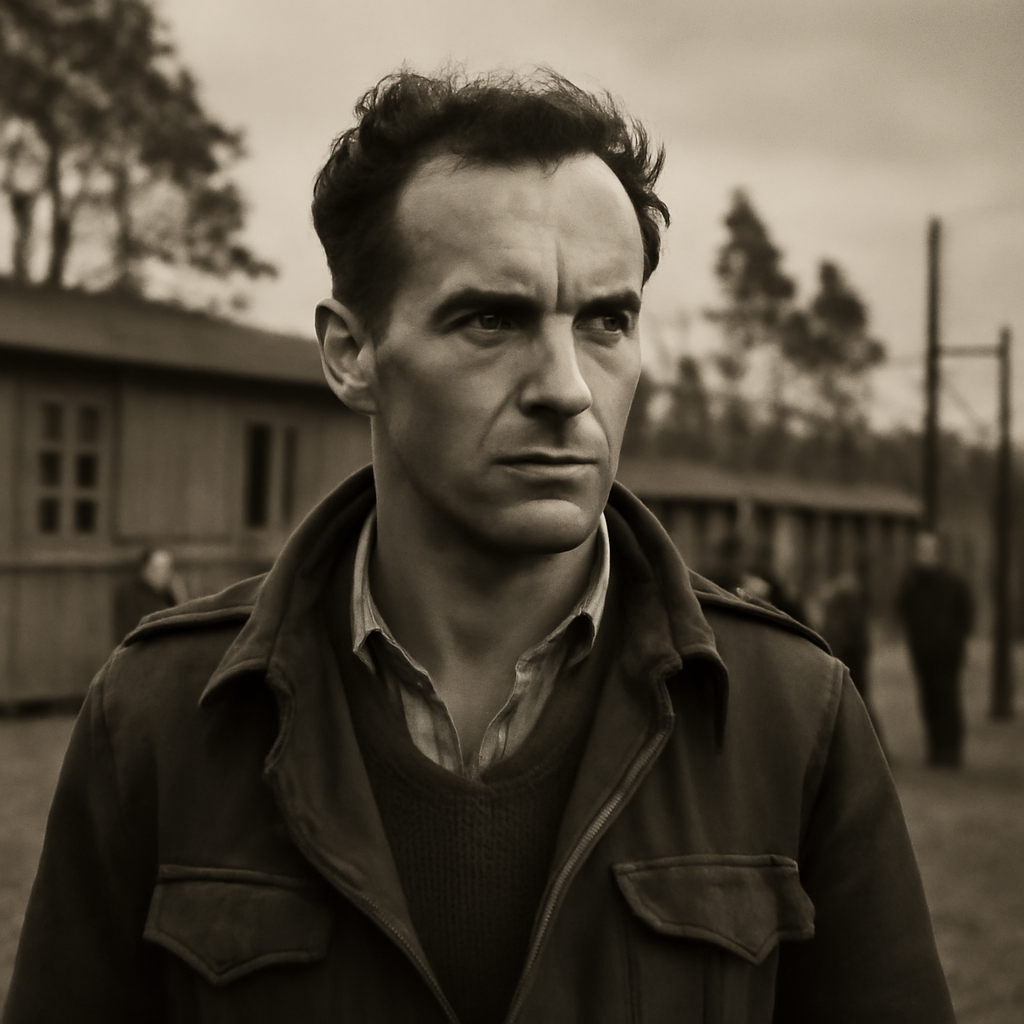
Roger Bushell masterminded the breakout, not the American characters Hollywood invented. This South African-born RAF squadron leader had already escaped twice before. The Germans wanted him dead.
Roger Bushell Was Brilliant - But Was He Too Ambitious For His Own Good?
Bushell's obsession was mass escape, not individual survival. He wanted 200 men out in a single night to tie up German resources hunting escapees. His previous breakouts had marked him for execution if caught again.
The strategic genius behind digging three simultaneous tunnels - "Tom," "Dick," and "Harry" - came from his South African mining background. He understood earth movement, structural engineering, and the psychology of German guards.
But was Bushell's uncompromising approach brilliant strategy or fatal overreach? His plan required moving 130 tons of sand without detection. The odds were astronomical.
Tom, Dick and Harry: The Engineering Marvel Under Nazi Noses
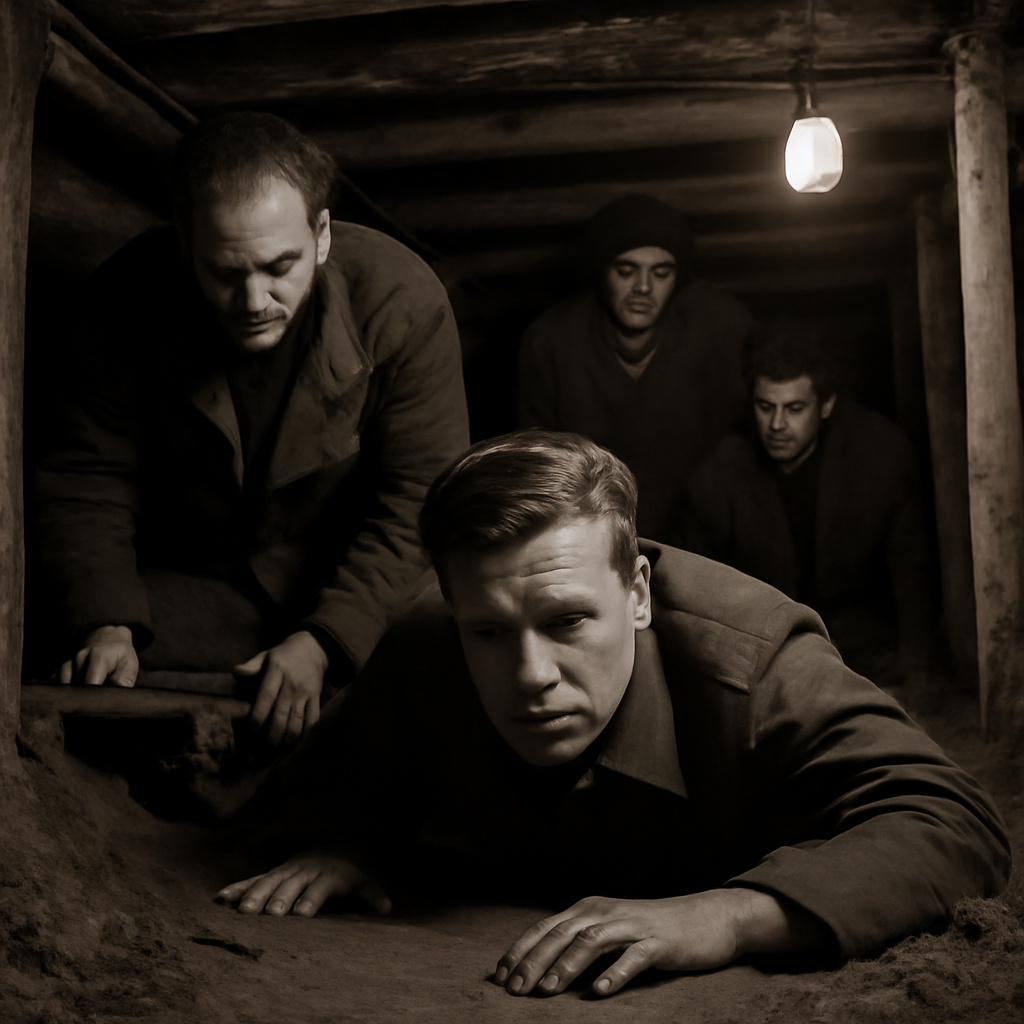
Thirty feet deep and 350 feet long, these tunnels represented the most sophisticated prison break attempt in military history. The diggers moved earth grain by grain, distributing it in trouser bags sewn by fellow prisoners.
An ingenious air pump system kept diggers breathing in the cramped tunnels. They fashioned bellows from kit bags and piping from Red Cross tins. Bed boards became tunnel supports, margarine tins became oil lamps.
"Dick" was deliberately sacrificed when German searches intensified. The prisoners used it as a storage depot while continuing work on "Tom" and "Harry." When "Tom" was discovered, everything rode on "Harry."
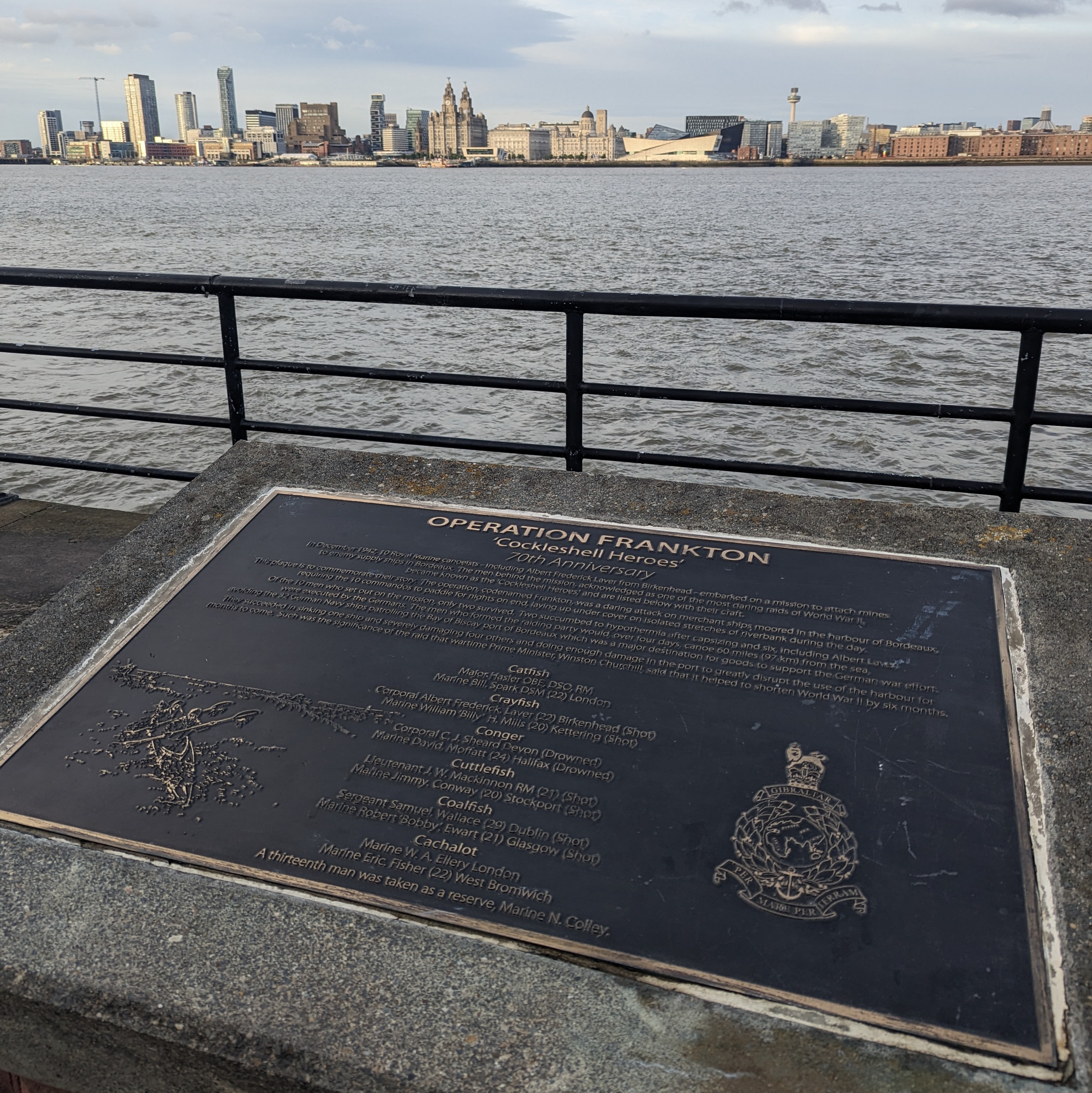
Similar to the resourcefulness shown by Britain's Cockleshell Heroes, these airmen turned everyday items into tools of resistance.
March 24, 1944: When Everything Went Wrong
The tunnel came up twenty feet short of the protective treeline. Instead of emerging in dark forest, escapees found themselves in open ground near a guard tower.
A German sentry spotted the 77th man emerging and raised the alarm. Seventy-six had already escaped, but dozens more waited in the tunnel below. The agonizing decision came to seal the entrance with men still inside.
A blizzard that night both helped and hindered the fleeing prisoners. Snow covered their tracks but made survival in civilian clothes nearly impossible.
Hitler's Fury: The Massacre Nobody Talks About
Hitler's initial order was clear: execute all 76 escapees. Göring and Himmler negotiated a "compromise" - kill 50, return 26 to demonstrate German "mercy."
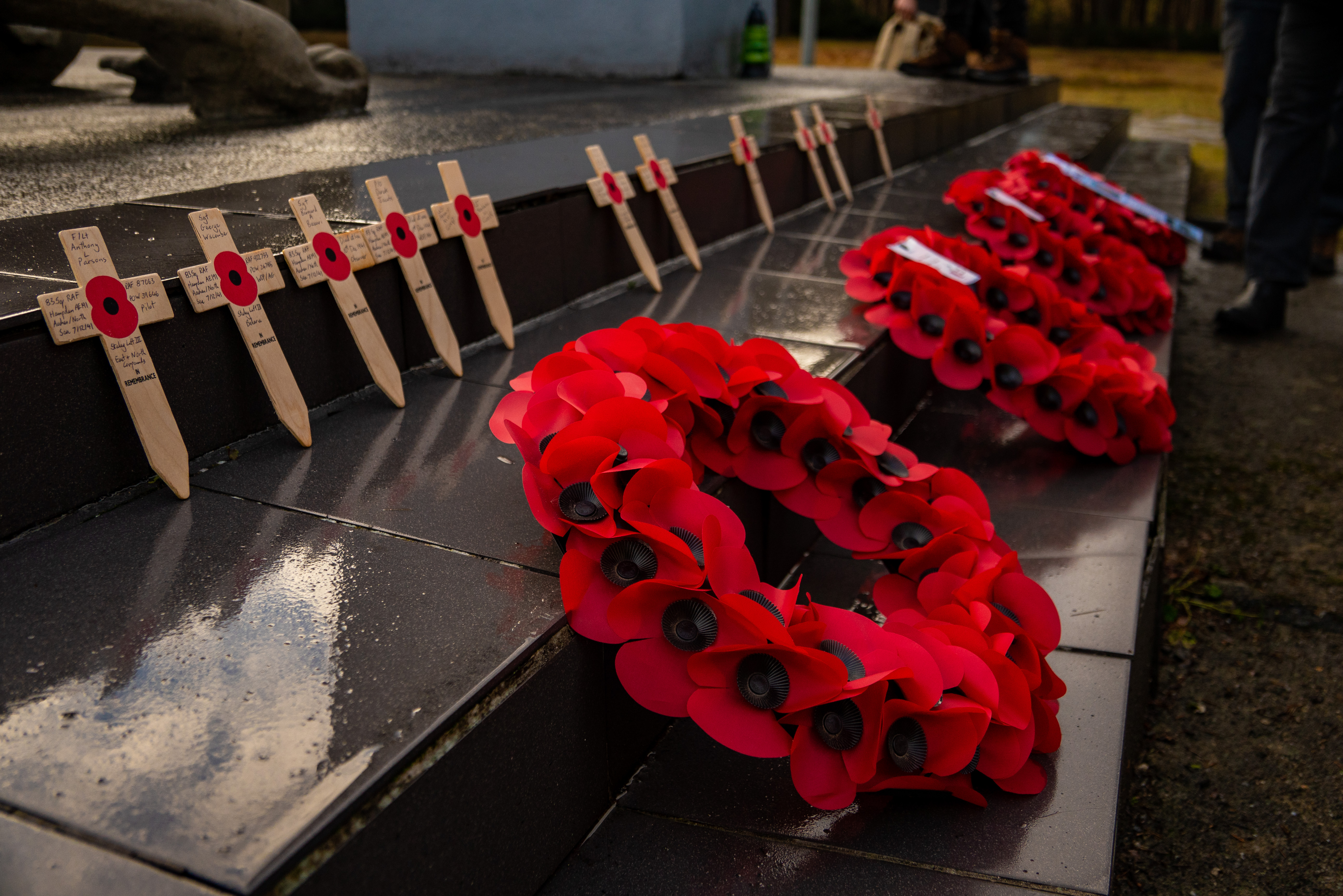
Gestapo hunting parties spread across occupied Europe. They caught the escapees and marched them to remote locations. Single gunshots. Mass graves. Fifty murdered airmen whose only crime was trying to go home.
The victims included Flying Officer Denys Street, aged 24. Flight Lieutenant Gordon Kidder, 26. Squadron Leader James Catanach, 28. Each had families who believed they died in aircraft combat, not execution squads.
The Three Who Made It Home - And The Price They Paid
Per Bergsland and Jens Müller, both Norwegian RAF pilots, reached neutral Sweden. Bram van der Stok, a Dutchman, traveled 1,500 miles solo across occupied Europe to reach Spain.
Survivor's guilt haunted these three men for decades. They lived while 50 comrades died. Their testimonies later brought Nazi war criminals to justice, but the psychological scars never healed.
Van der Stok never spoke publicly about his escape until the 1980s. The weight of being one of only three who made it home was almost unbearable.
Why The Great Escape Still Matters Today
The mass execution of the fifty shocked the post-war world and influenced Geneva Convention revisions. It demonstrated how quickly "civilized" warfare could descend into barbarity.
The brotherhood forged in Stalag Luft III lasted lifelong among survivors. Annual reunions continued into the 1990s, binding men who shared the ultimate test of courage and sacrifice.
The escape proved that resistance never dies, even in the darkest circumstances. But it also showed the terrible price of defying tyranny.
What strikes you most about the real Great Escape story - the ingenious planning, the tragic aftermath, or the courage of men who knew the risks?