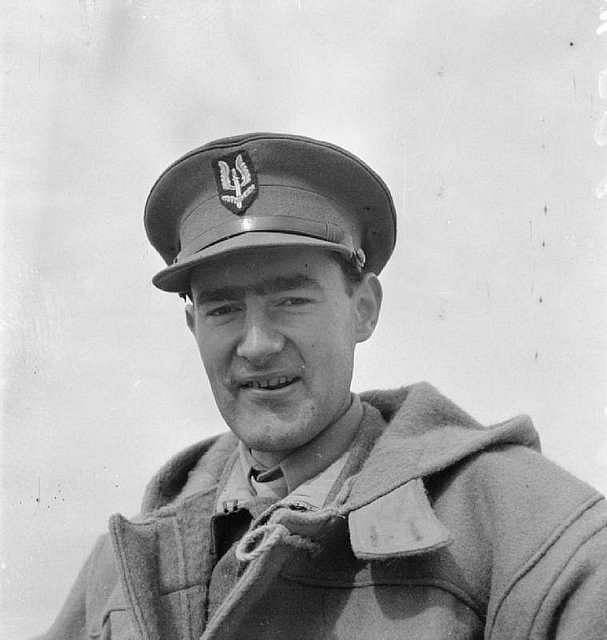
David Stirling was ambitious — but was he completely reckless? When a skiing accident landed him in a Cairo hospital bed in 1941, this young officer spent his recovery time sketching out what his superiors would later call "boy's own adventure nonsense." Small teams of elite raiders, striking hundreds of miles behind enemy lines, destroying aircraft on the ground while Rommel slept.
The top brass weren't just skeptical — they thought he'd lost his mind. Yet from that hospital room gamble emerged the most legendary special forces unit in military history.
Stirling Was Bold - But Was He Reckless? Which Side Are You On?
Picture this: you're a 25-year-old Scots Guards officer lying in a hospital bed, leg in plaster, watching conventional forces struggle against Rommel in North Africa. Do you quietly recover and return to normal duties, or do you draft a revolutionary memo proposing something no army had ever attempted?
Stirling chose revolution. His concept was breathtakingly simple: why send hundreds of bombers to attack airfields when four men with explosives could achieve the same result? His superiors saw a dangerous fantasist. General Ritchie called it "unmilitary." Staff officers dismissed it as suicide with extra steps.
The skiing accident that put him in that Cairo hospital wasn't just bad luck — it was the pause he needed to think beyond conventional warfare. While proper officers focused on tank battles and artillery barrages, Stirling was reimagining how small could beat big.
The Night Raids That Paved the Way to El Alamein
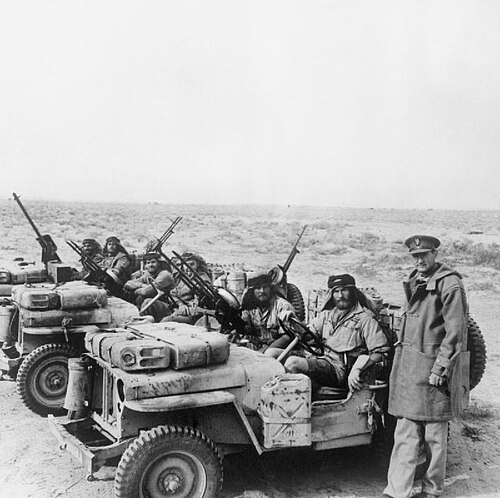
Everyone knows Montgomery's desert victory, but who talks about the phantom raiders who crippled Rommel's air power months before El Alamein? While historians celebrate tank battles, they gloss over the night raids that destroyed over 250 enemy aircraft on the ground.
RAF bombing raids against desert airfields had achieved pitiful results — massive resources for minimal damage. Stirling's four-man teams were walking onto heavily defended airstrips and methodically destroying aircraft parked in neat rows. The mathematics were brutal: one small team could accomplish what required dozens of bombers and hundreds of aircrew.
These weren't lucky strikes. Night after night, while the Desert Rats fought their conventional battles, Stirling's raiders were rewriting the rules of warfare in the darkness between the front lines.
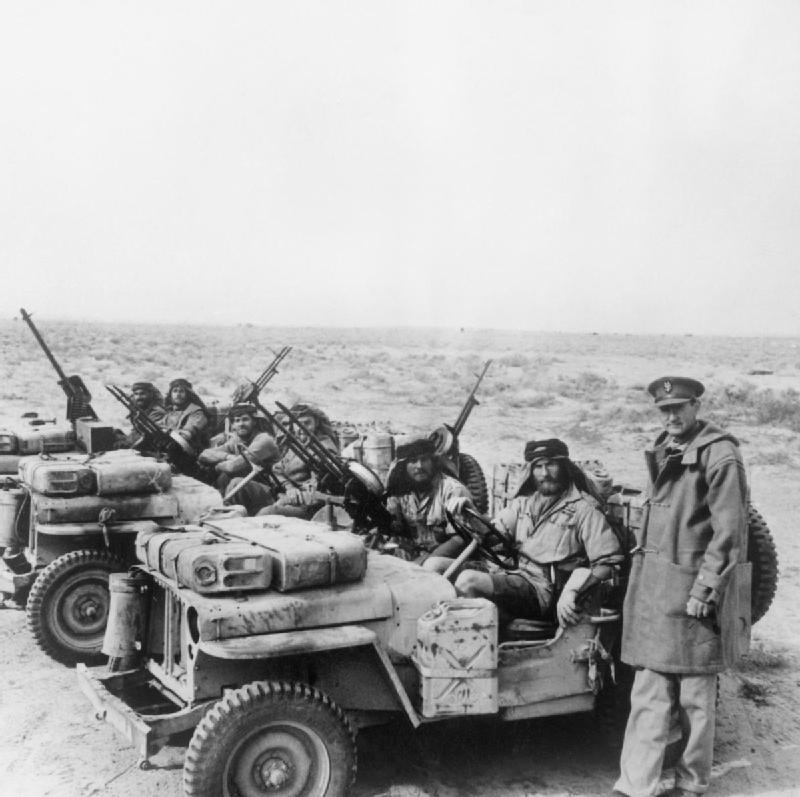
The Desert Misfits: Stirling's Unlikely Band of Brothers
Jock Lewes should have been a professor, not a saboteur. This Welsh intellectual invented the Lewis bomb — a homemade explosive that actually worked when military ordnance failed. His precise, methodical approach to destruction became the foundation of SAS tactics.
Then there was Paddy Mayne, the Irish rugby international with a legendary temper and lethal skills. Mayne couldn't fit into regular army discipline, but give him a target behind enemy lines and he became unstoppable. He once destroyed 47 aircraft in a single operation.
These weren't model soldiers — they were misfits who couldn't stomach conventional military thinking. Stirling recruited men who'd been written off by their original units, soldiers who asked awkward questions and refused to follow stupid orders.
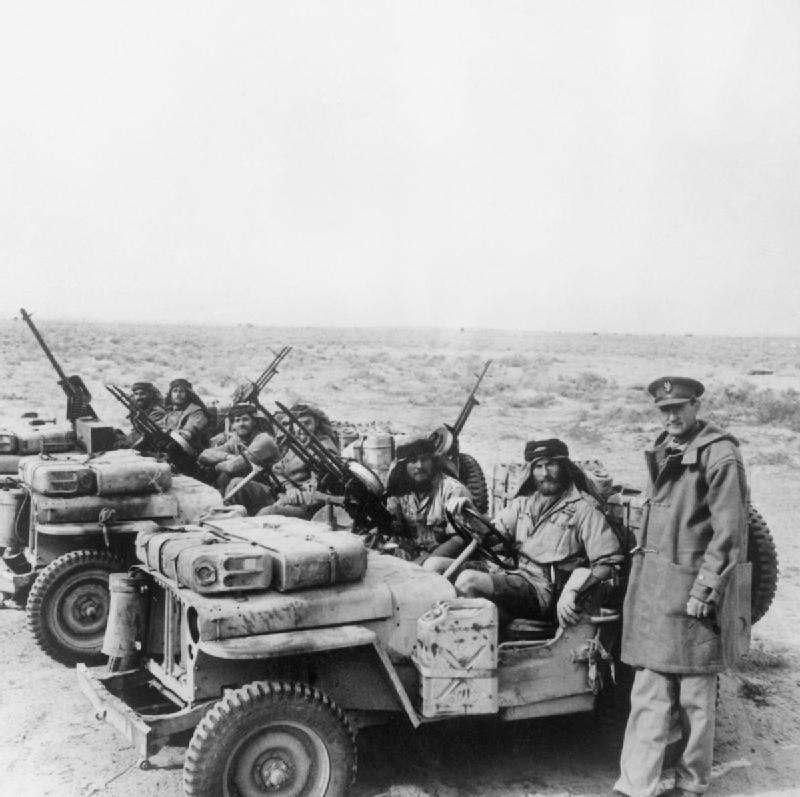
Behind Enemy Lines: The Raids That Shocked The Afrika Korps
The Tamet raid reads like fiction: 24 enemy aircraft destroyed in one night by men who simply walked past the guards. How do you infiltrate a heavily defended German airfield? Stirling's teams discovered that confidence and audacity often worked better than elaborate camouflage.
They learned to think like their enemies. German sentries expected attacks from the front lines, not from groups of men calmly walking across the airstrip placing bombs on aircraft. The psychological impact was devastating — every morning brought fresh evidence that nowhere was safe.
Rommel himself wrote about these "phantom raiders" disrupting his plans. The Desert Fox, who'd mastered conventional desert warfare, found himself fighting an enemy that refused to play by established rules.
The Price of Innovation: What The Heroic Narratives Leave Out
For every successful raid, there were missions that went catastrophically wrong. Survival rates were appallingly low — many recruits didn't live to see their second operation. The desert killed the unprepared, and enemy patrols killed the unlucky.
Stirling's own capture in 1943 remains controversial. Was it bad luck, poor planning, or inevitable given the risks they were taking? His critics argue he pushed his luck too far, sacrificing good men to prove an increasingly dangerous point.
The official histories sanitize these failures, but the desert graves tell a different story. Innovation demanded blood, and Stirling's raiders paid that price repeatedly.
From Desert Experiment to Global Legend
The SAS model spread far beyond North Africa. Like Wingate's Chindits in Burma, special forces units began operating behind enemy lines worldwide. Post-war evolution into counter-terrorism made the SAS a household name.
Modern special forces still follow Stirling's principles: small teams, surgical strikes, psychological warfare. Every elite unit from Delta Force to Navy SEALs owes something to that hospital bed conversation in Cairo.
But was Stirling a military genius who revolutionized warfare, or a lucky amateur whose reckless gambles happened to work? The debate continues, but his legacy remains undeniable.
What's your take on Stirling's legacy — visionary commander or dangerous risk-taker who got lucky?