The ATS was gritty - but the WAAF was the brains. Which service deserves more recognition for keeping Britain alive during its darkest hour?
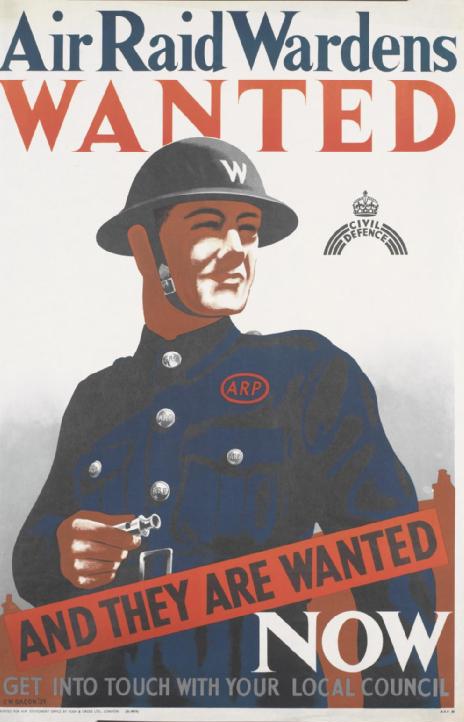
While Churchill's stirring speeches rallied the nation, hundreds of thousands of women quietly joined two rival services that would prove decisive in Britain's survival. The Auxiliary Territorial Service (ATS) got their hands dirty with the machinery of war, while the Women's Auxiliary Air Force (WAAF) became the strategic nerve center of aerial combat.
If your daughter had come of age in 1940, which uniform would she have worn? The choice reveals more about class, ambition, and the brutal realities of total war than most people realize.
The Women Who Staffed Britain's Operations Rooms
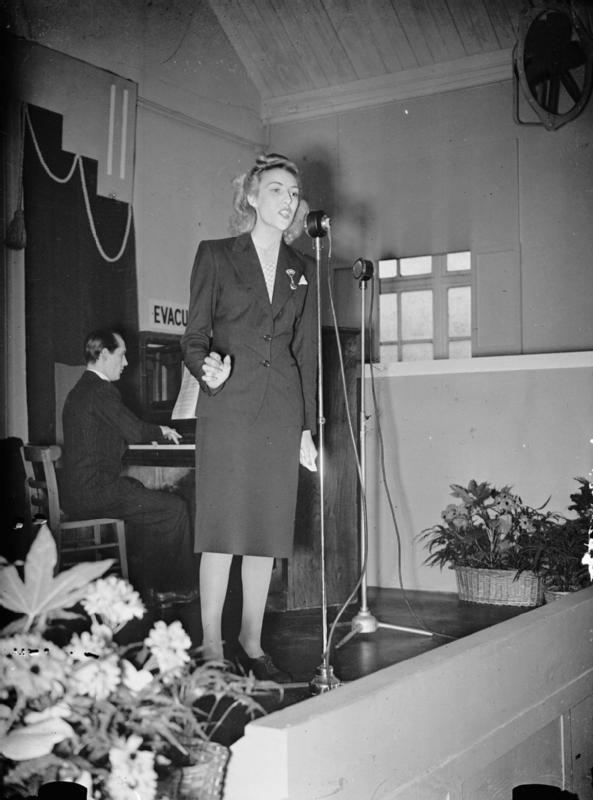
Deep in underground bunkers across southern England, teenage girls moved wooden blocks across plotting tables while German bombers streamed toward London. These WAAF operations room staff didn't just support the Battle of Britain - they literally directed it.
Every fighter squadron scramble, every interception, every split-second decision that kept the Luftwaffe from achieving air superiority passed through their hands. The pressure was crushing. Get it wrong, and hundreds would die.
Many were barely eighteen, fresh from secretarial schools and finishing colleges. Yet they tracked dozens of hostile formations simultaneously, calculating intercept courses faster than any computer. Chain Home radar stations fed them raw data, but human intelligence turned numbers into victories.
When historians credit Hurricane and Spitfire pilots with winning the Battle of Britain, they're only telling half the story.
The ATS: From tea-makers to gun crews in record time
The Army initially wanted ATS women for cooking and clerical work. That changed fast when German bombs started falling.
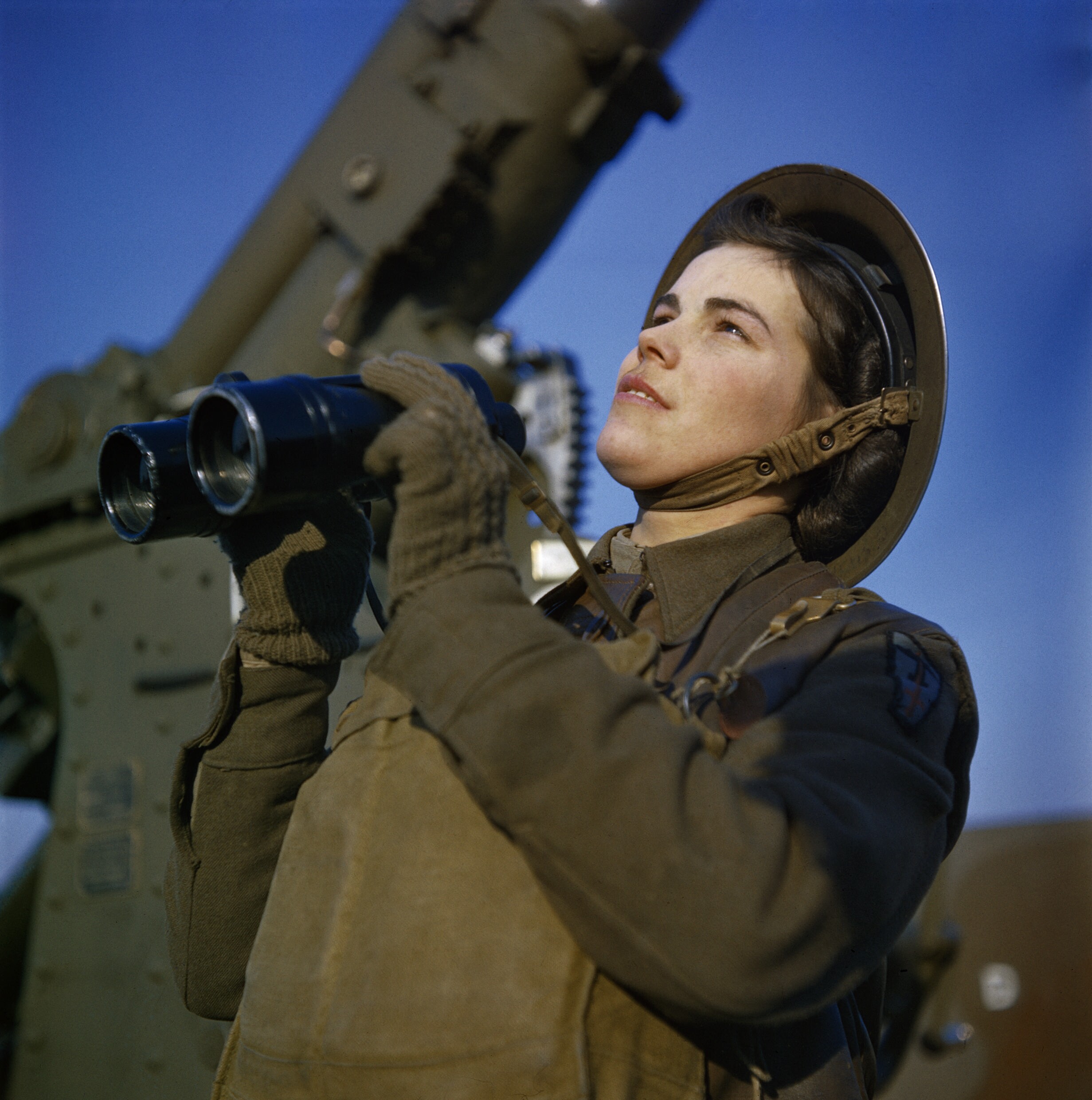
Within months, ATS gun crews were manning anti-aircraft batteries across Britain's industrial heartland. Male officers were stunned - the women proved more accurate than veteran male gunners, their smaller hands better suited to the delicate rangefinding equipment.
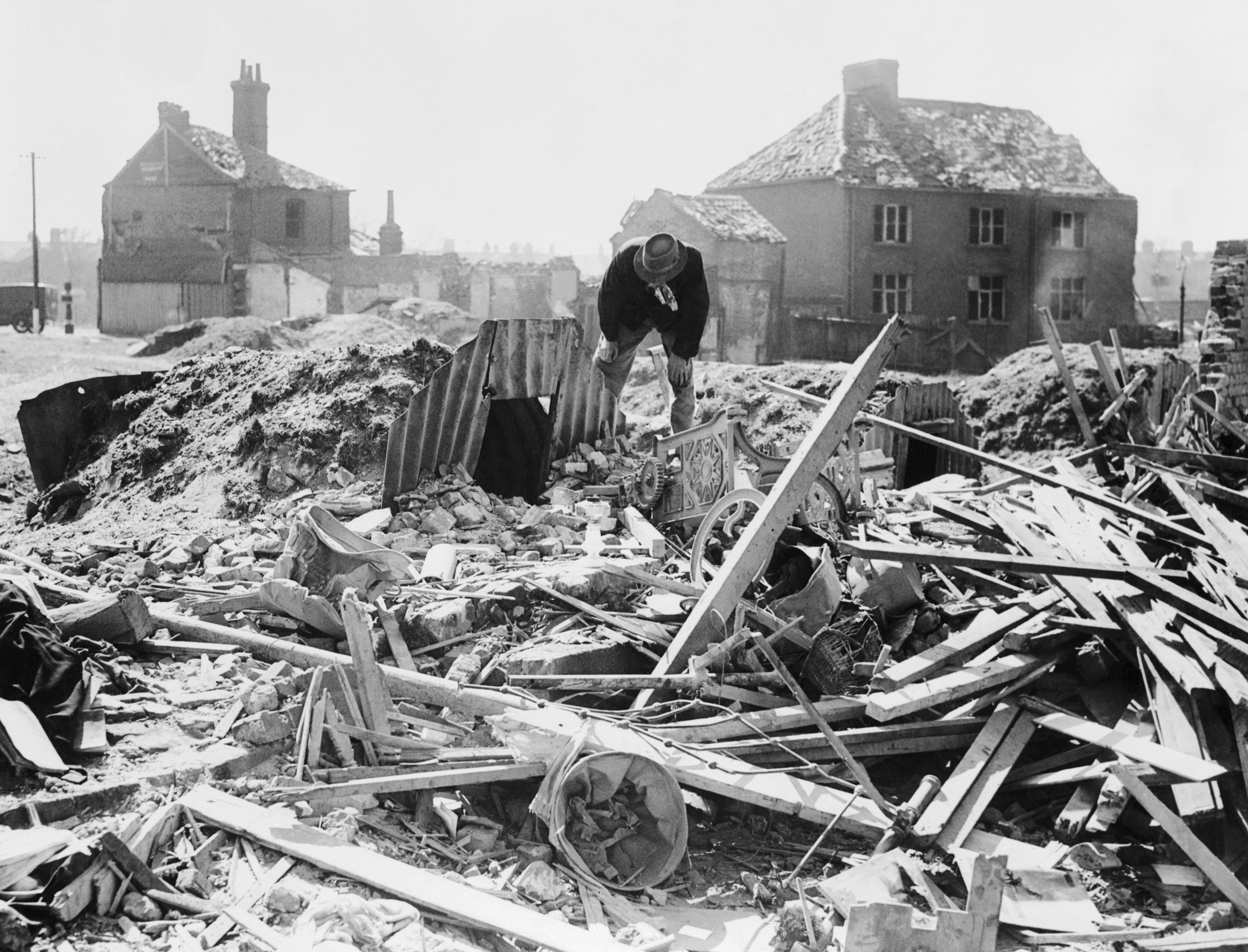
The work was backbreaking and dangerous. Heavy shells, deafening noise, and the constant threat of being targeted by enemy fighters. During the worst raids, ATS crews stayed at their guns for twelve hours straight, hair singed by muzzle flashes, ears bleeding from the constant concussions.
The resistance from male commanders was fierce. Many refused to believe women could handle the physical and mental demands of combat roles. They were wrong.
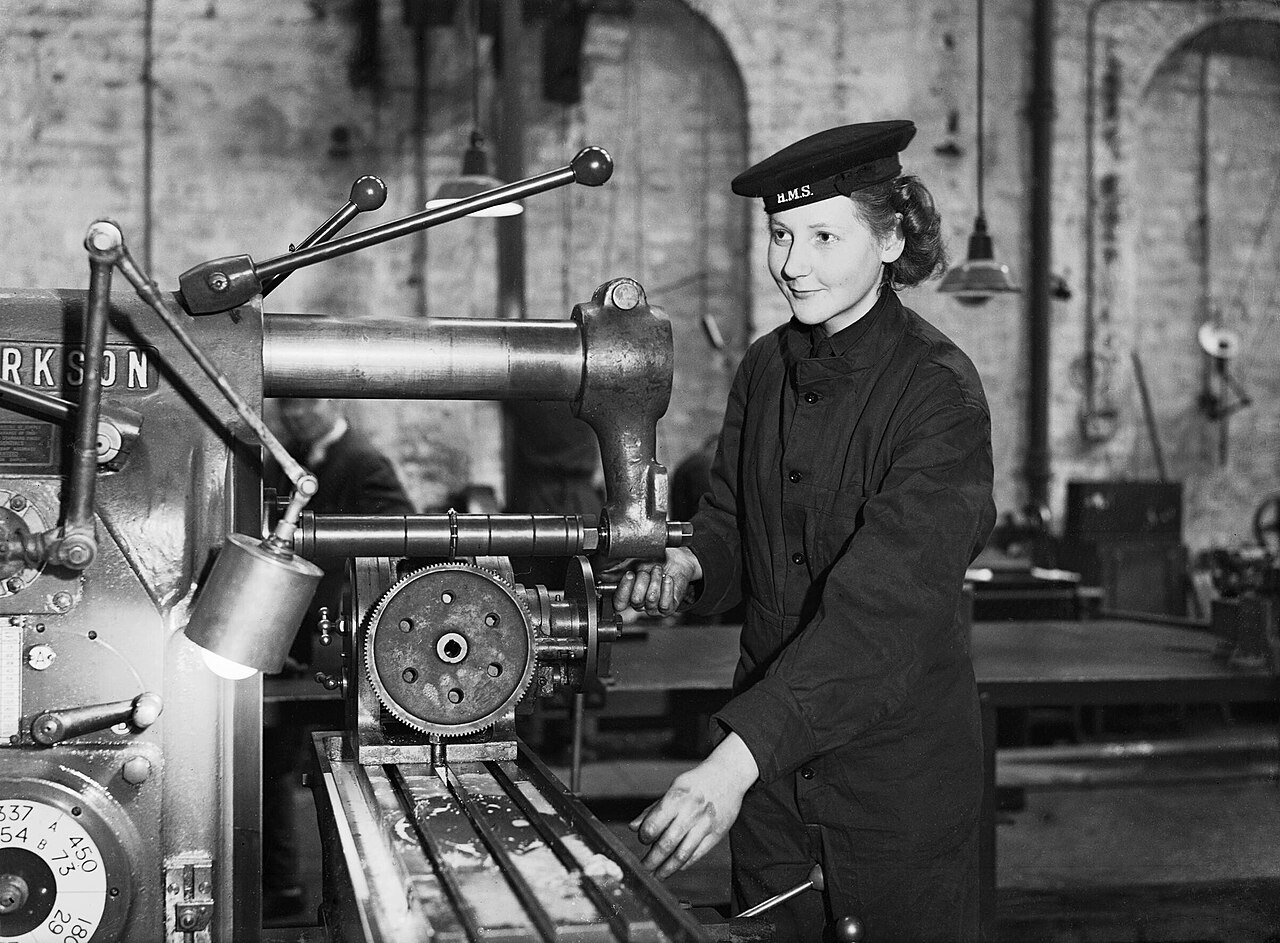
Behind the "Doing Their Bit" Cliche
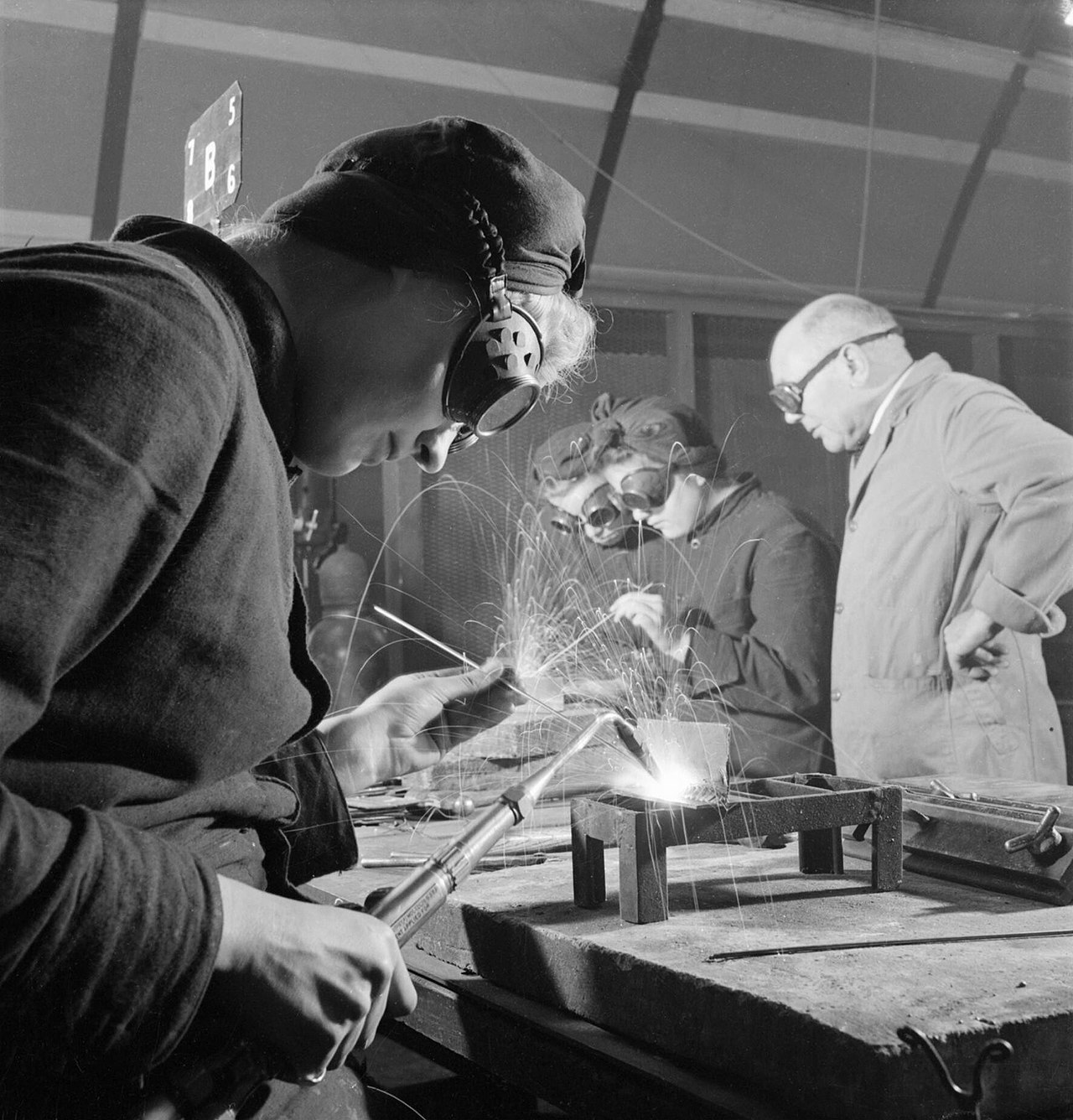
The wartime shorthand of women "doing their bit" flattens what ATS service on the home front actually involved. ATS members served as drivers, ambulance crews, dispatch riders, storekeepers, and on mixed anti-aircraft batteries, and many worked through the Blitz in cities under active bombardment.
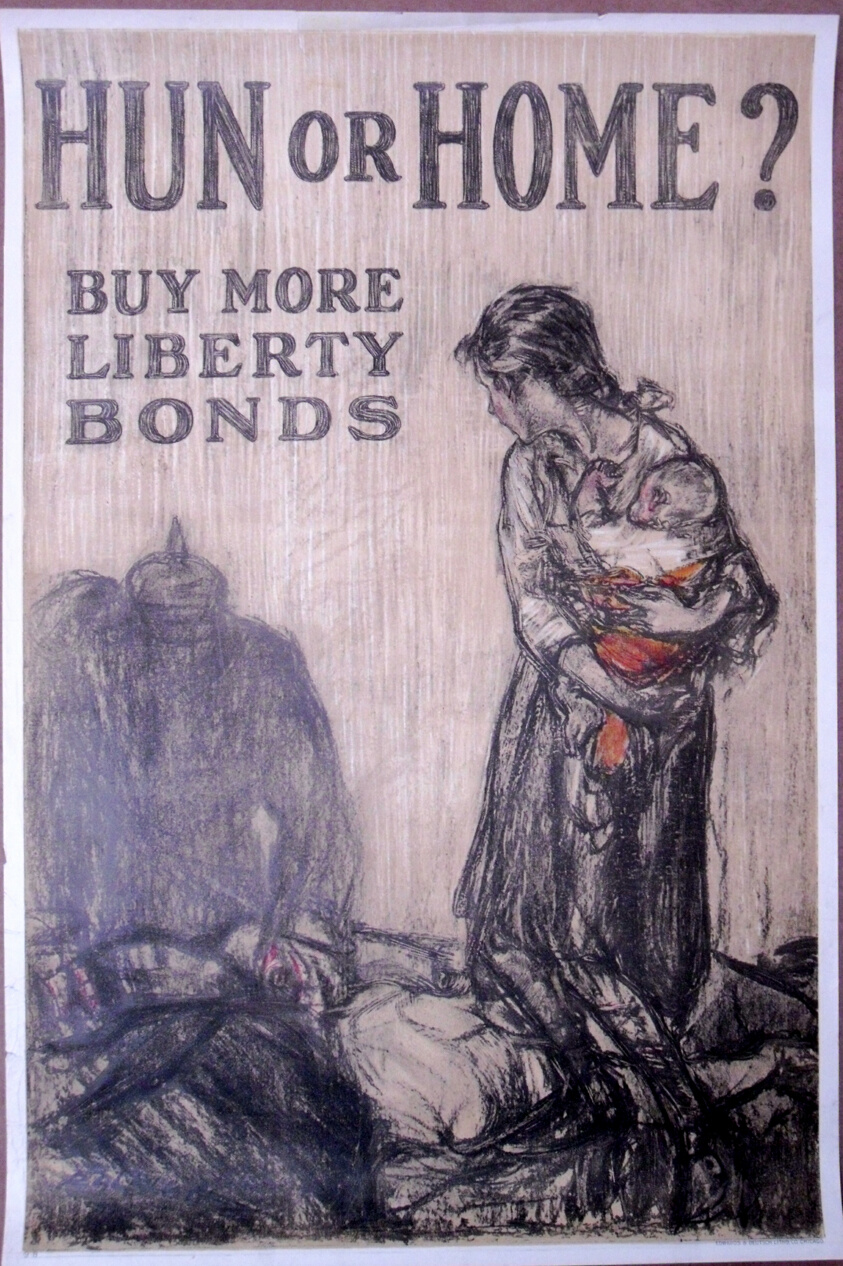
Ambulance and driving duties meant moving through blacked-out streets during raids, often amid fires and unexploded ordnance, to reach the wounded. Recruits were frequently very young and minimally trained, and the work carried real physical danger and lasting psychological strain that the cheerful recruiting-poster image tends to omit.
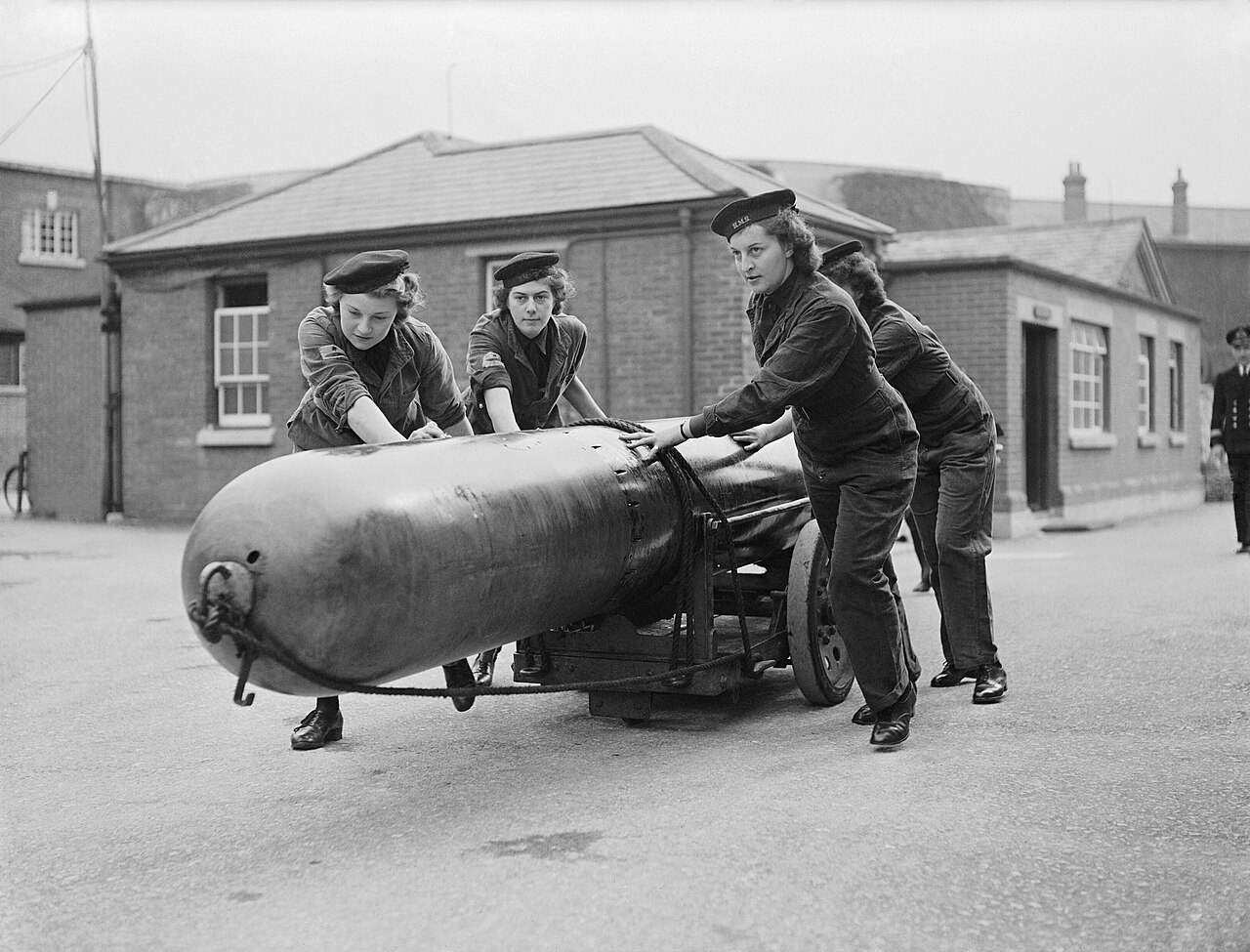
The rivalry that nobody talks about: ATS vs WAAF territorial battles
Behind the scenes, a fierce competition raged between the services. WAAF women saw themselves as the intellectual elite - they worked with cutting-edge technology and strategic planning. ATS members viewed the WAAF as pampered office workers who'd never gotten their hands dirty.
The rivalry was partly about class. WAAF recruiting targeted middle-class women with education, while the ATS welcomed anyone tough enough for physical work. Competition for recognition, resources, and the best assignments was brutal.
But this rivalry made both services better. Each pushed to prove their worth, driving innovation and efficiency that helped win the war. Sometimes the best motivation comes from wanting to show up your competitors.
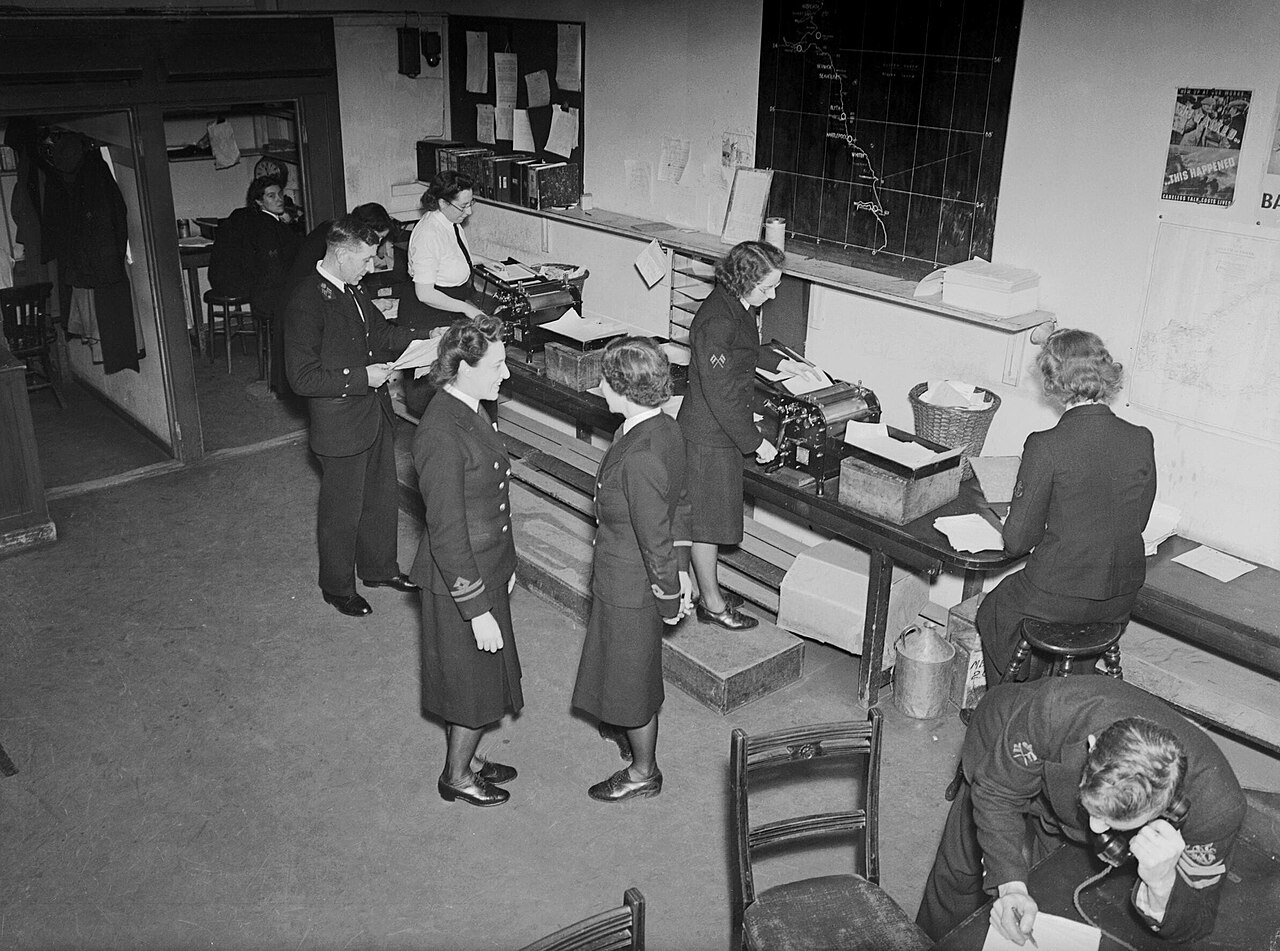
Were these women 'doing their bit' or revolutionizing British society forever?
The patronizing phrase "doing their bit" completely misses the point. These women didn't just support the war effort - they shattered every assumption about what women could do.
Before 1939, the idea of women operating complex radar equipment, commanding anti-aircraft batteries, or flying military aircraft was unthinkable. By 1945, it was routine. The social earthquake was permanent.
Post-war attempts to push women back into domestic roles failed precisely because millions had proved their capabilities under the ultimate test. The direct line from wartime ATS and WAAF service to women's liberation is undeniable.
Like the codebreakers at Bletchley Park, these women earned their place in history through competence under pressure.
The verdict: Which service kept Britain's war machine running?
Both services were essential, but in fundamentally different ways. The WAAF provided the strategic intelligence and coordination that made victory possible. The ATS delivered the raw muscle and logistics that kept the war machine functioning.
Choosing between them is like asking whether Britain needed its brain or its backbone more. The answer is both, working in fierce competition that drove each to excellence.
But if pressed, consider this: WAAF operations rooms directed the battles, but ATS gun crews fought them. Both deserve recognition, but history has been kinder to the strategists than the fighters.
Which service do you think deserves more recognition? Were the intellectual demands of WAAF operations more crucial than the physical courage of ATS gun crews?