The Hawker Hurricane was reliable - but the Spitfire was glamorous. Which one deserves the credit for saving Britain in 1940? The numbers tell a story that Hollywood never wanted to hear.
Hurricane pilots destroyed 1,593 German aircraft during the Battle of Britain. Spitfire pilots claimed 529. Yet ask anyone about Britain's finest hour, and they'll picture sleek Spitfires dancing through summer skies, not the sturdy workhorses that actually won the fight.
The Hurricane Was Reliable - But the Spitfire Was Glamorous. Which One Deserves the Credit for 1940?
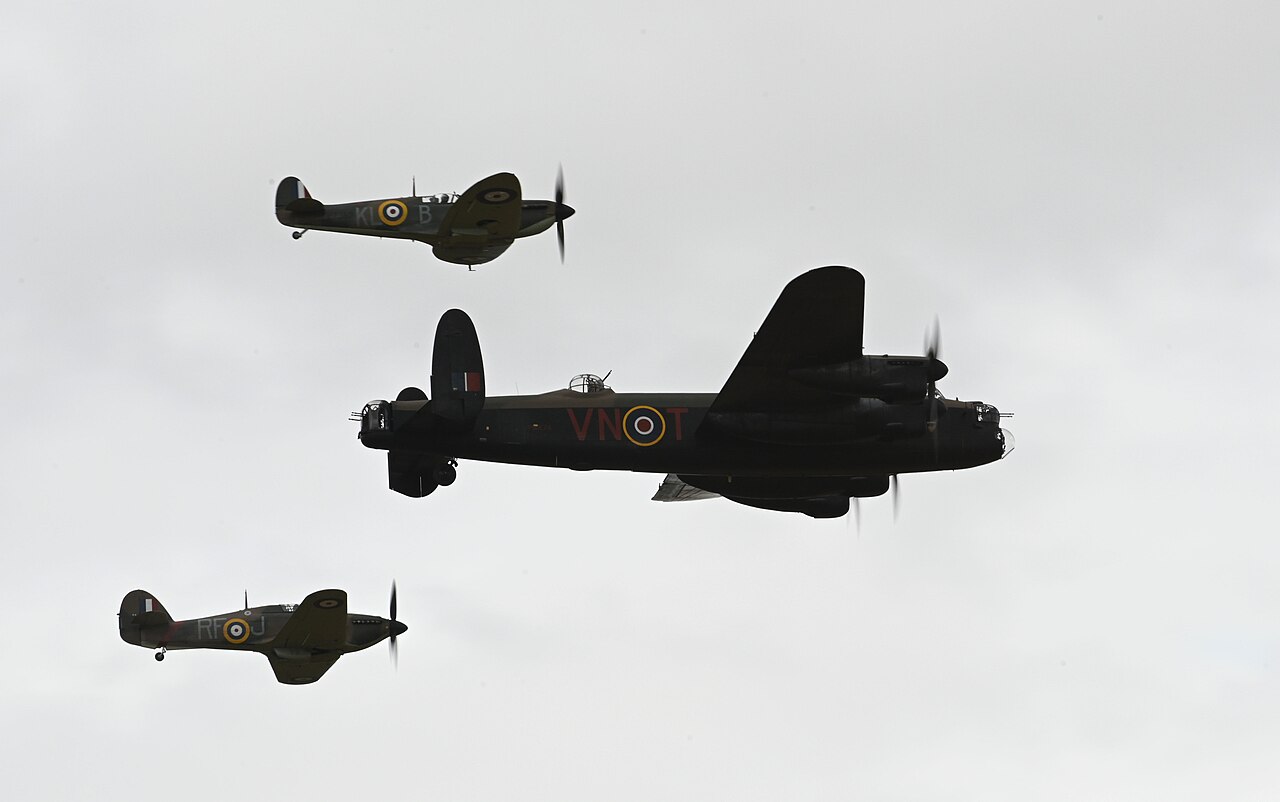
Media fell in love with the Spitfire's elliptical wings and sculptured lines. Photographers couldn't resist those graceful curves against dramatic clouds. The Hurricane, with its thick wings and angular fuselage, looked like a flying brick by comparison.
This wasn't accident - it was propaganda. The Air Ministry knew which fighter would sell war bonds and inspire recruitment posters. Beauty trumped battlefield reality, and we've been living with that comfortable lie ever since.
The uncomfortable truth? While Spitfires chased Messerschmitt 109s in aerial duels that made great newsreels, Hurricane squadrons were grinding through Heinkel and Dornier bomber formations. Unglamorous work. Life-saving work.
Built Like a Tank: Why Hurricane Pilots Loved Their 'Bus'
Hurricane pilots had a saying: "The Spitfire is a racehorse, the Hurricane is a carthorse." They meant it as a compliment.
That fabric-covered rear fuselage could absorb 20mm cannon shells and keep flying. Spitfire pilots nursing damaged aircraft home knew their stressed-skin construction offered no such forgiveness. One good hit often meant a swim in the Channel.
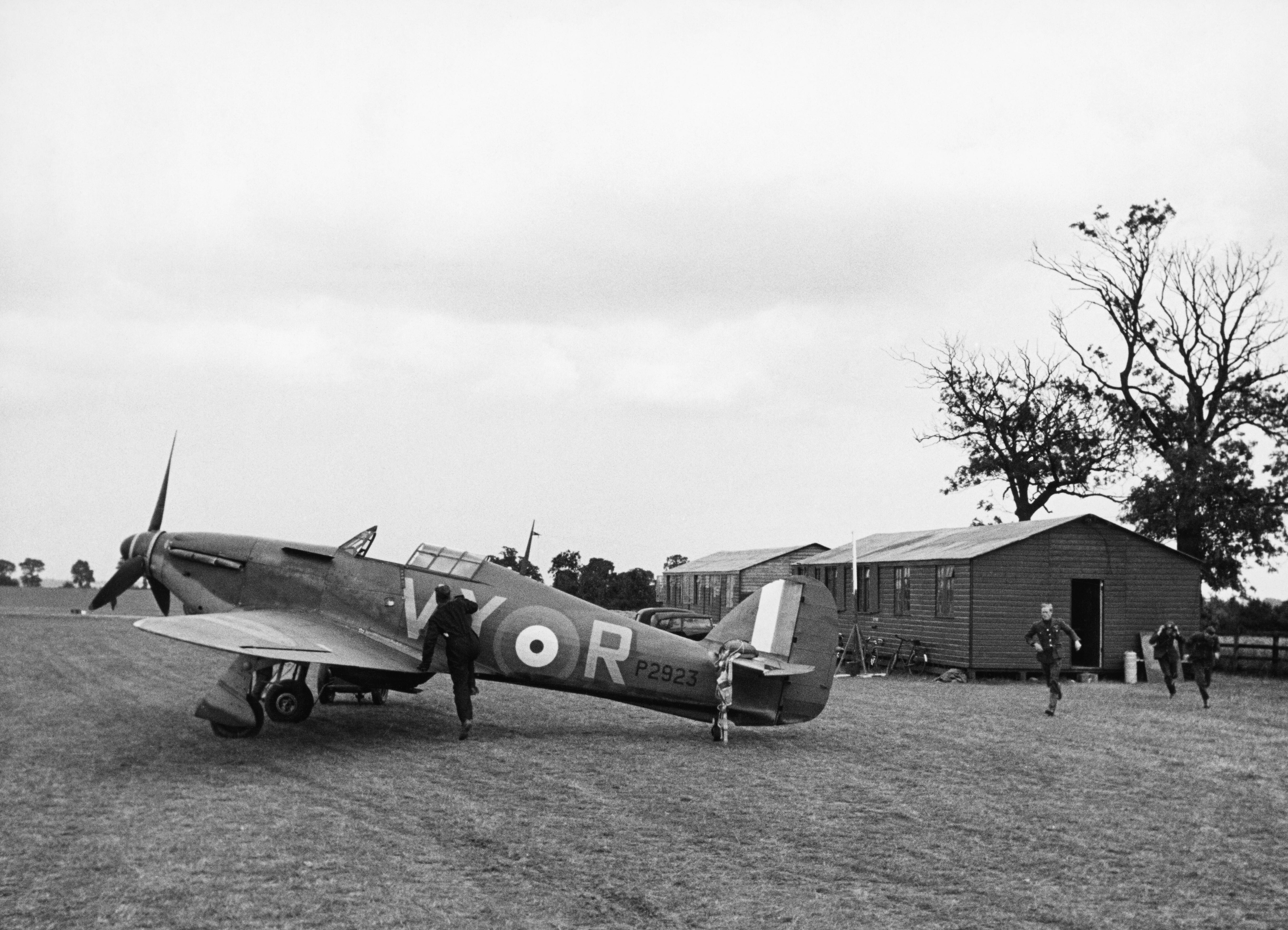
The Hurricane's wide-set undercarriage forgave rookie pilots learning to land under fire. Its stable gun platform let veterans pour concentrated fire into bomber formations. At forward airfields, ground crews patched Hurricane battle damage with basic tools and canvas - try that with a Spitfire's complex monocoque structure.
Flight Lieutenant James Lacey, who flew both types, summed it up perfectly: "In the Hurricane, you felt like you were wearing the airplane. In the Spitfire, you felt like the airplane was wearing you."
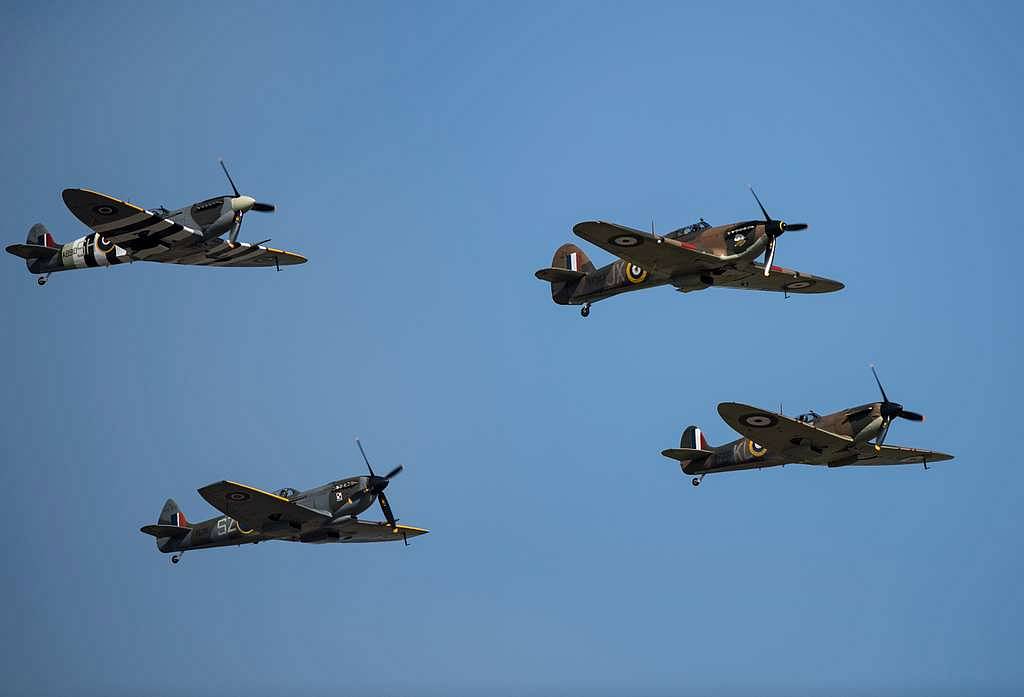
The Numbers Don't Lie: Hurricane Combat Record
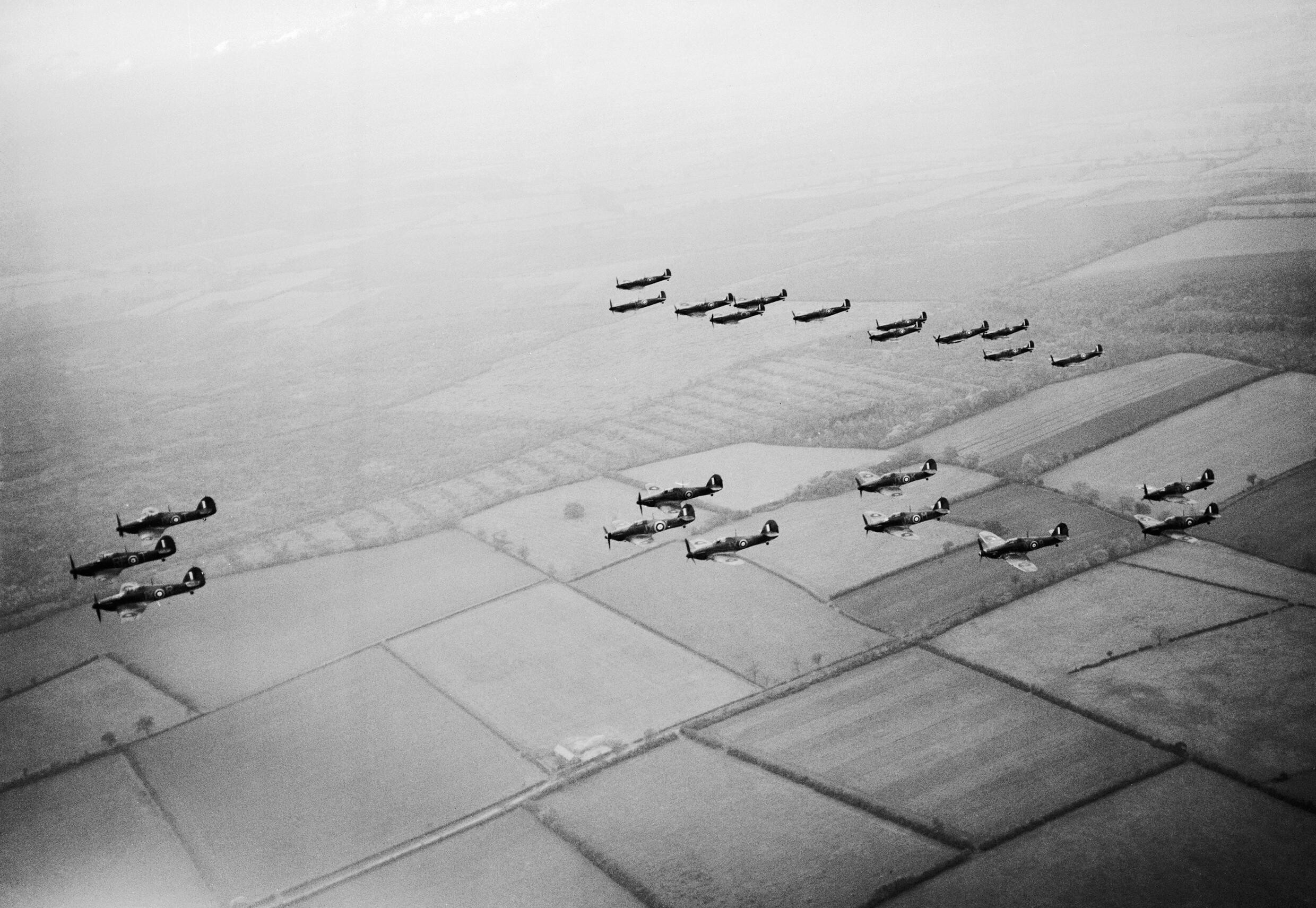
Fighter Command deployed 32 Hurricane squadrons against just 19 Spitfire squadrons during the battle. RAF leadership knew which fighter could absorb punishment and keep coming back for more.
Squadron Leader Stanford Tuck destroyed 29 enemy aircraft - most while flying Hurricanes. Douglas Bader's early victories came in Hurricane cockpits, not the Spitfire he later made famous. These weren't second-string pilots flying second-rate equipment.
Hurricane squadrons received the "dirty work" - breaking up massed bomber formations while Spitfires engaged the fighter escorts above. Unspectacular tactics. Devastatingly effective results.

When Churchill Visited Fighter Command, Which Plane Did He Really See?
During those crucial summer months, Hurricane squadrons bore the brunt of daylight raids. Air Vice Marshal Keith Park's 11 Group used Hurricanes as his primary weapon against Göring's bomber offensive.
Hurricane pilots had already proven themselves over Dunkirk, where they first encountered the Luftwaffe in large-scale combat. Those lessons learned in desperate fighting over the beaches shaped Hurricane tactics for the main battle ahead.
Even the forgotten Hurricane night fighter variants played crucial roles, intercepting raiders when Spitfires sat helpless on dark airfields.
The Spitfire Myth: How Legend Overshadowed Reality
Reginald Mitchell's design genius created more than an airplane - he created an icon. Those flowing lines photographed beautifully, and the Air Ministry wasn't stupid. Spitfire publicity photos dominated newspapers and magazines.
Hollywood cemented the myth decades later. Every Battle of Britain movie featured glamorous Spitfire dogfights, not Hurricane pilots methodically destroying bomber formations. Entertainment value trumped historical accuracy.
Hurricane pilots felt forgotten even during the war. Veterans' accounts reveal their frustration watching Spitfire squadrons receive media attention while Hurricane units did the heavy lifting in relative obscurity.
Beyond 1940: The Hurricane's Global War Record
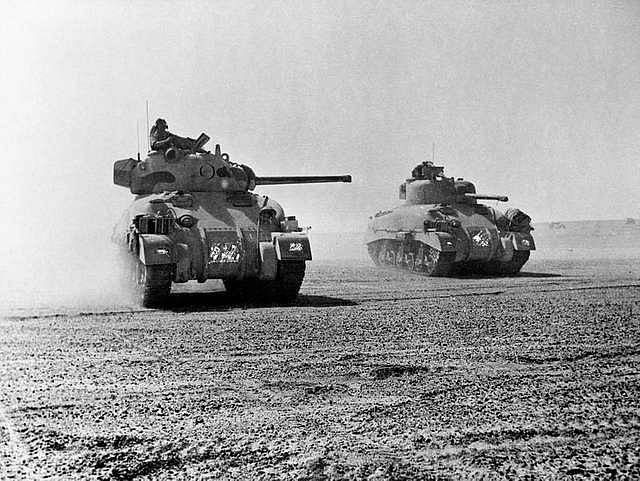
The Hurricane's war extended far beyond British skies. In North Africa, Hurricane squadrons supported Montgomery's desert victories. Tank-busting Hurricane IID variants mounted 40mm cannons that could penetrate Panzer armor.
Naval Hurricanes operated from aircraft carriers in the Arctic and Mediterranean. Hurricane squadrons fought in Burma's jungles and Russia's frozen steppes. Total production reached 14,583 aircraft - fewer than the Spitfire's 20,351, but impressive for a supposedly "obsolete" design.
Hurricanes remained in frontline service until 1946, proving their worth long after 1940's desperate summer.
Were Hurricane Pilots the Real Heroes of 1940?
Many Hurricane pilots came from working-class backgrounds, flying reliable fighters that matched their no-nonsense approach to aerial combat. They understood that wars are won through grinding attrition, not glamorous gestures.
Modern air combat validates Hurricane design philosophy - survivability matters more than marginal performance advantages. Today's A-10 Warthog embodies Hurricane thinking: built tough, supremely effective at its mission, aesthetically challenged.
Maybe it's time we stopped letting Hollywood write our history. The Hurricane saved Britain through reliability, durability, and devastating effectiveness against the targets that mattered most. Isn't that worth remembering?
What do you think - should the Hurricane finally get the recognition it earned over Britain's skies?