Most People Think the Tuskegee Airmen Were a Side Story. Unpopular Opinion: They Were the Main Event.
The standard WWII narrative gives you Normandy, the Battle of the Bulge, and the Eighth Air Force pounding Germany into rubble. The Tuskegee Airmen get a paragraph. Maybe a sidebar. A feel-good footnote about breaking barriers.
That framing does them a disservice so profound it borders on its own kind of injustice.
These men fought two wars simultaneously — the Luftwaffe over Europe and institutionalised racism on American soil. They flew for a country that wouldn't let them sit at the same lunch counter as the officers who gave them their orders. And yet bomber crews across the Mediterranean theatre specifically requested the Red Tails as their escorts, because they trusted them more than any other group to bring them home alive.
That's not a footnote. That's the headline.
They Were Told They Couldn't Do It — Here's What the U.S. Military Actually Believed
In 1925, the U.S. Army War College produced a formal report concluding that Black soldiers lacked the intellectual capacity and courage required for aerial combat. This wasn't barroom prejudice — it was pseudoscientific racism dressed in official language and used to shape military policy for the next two decades.
When World War Two forced the Army Air Corps to reconsider, political pressure — not goodwill — pushed them toward a segregated training programme at Tuskegee, Alabama. The expectation, barely concealed, was that the men would fail. That failure would then justify keeping the segregated status quo permanently intact.
They built the programme to produce a result. The men who showed up had other ideas.
Tuskegee, Alabama: Where They Trained the Men the Army Hoped Would Fail
The Tuskegee Army Air Field was functional, but the environment surrounding it was hostile by design. Jim Crow laws meant that men training to die for America couldn't use the same facilities as white officers on the same base. The contradiction was breathtaking and deliberate.
Into this pressure cooker stepped Colonel Benjamin O. Davis Jr. — the son of America's first Black Army general, a West Point graduate who had been silently hazed throughout his entire cadet career. Davis was iron-willed, precise, and utterly unwilling to give his critics the failure they were waiting for.
Washout rates were brutal. Every trainee understood the stakes weren't personal — they were collective. One programme failure could end the experiment and hand segregationists the evidence they needed. The weight of that responsibility sat on every man who strapped into a cockpit.
The Red Tails Over Europe: A Combat Record That Silenced the Critics
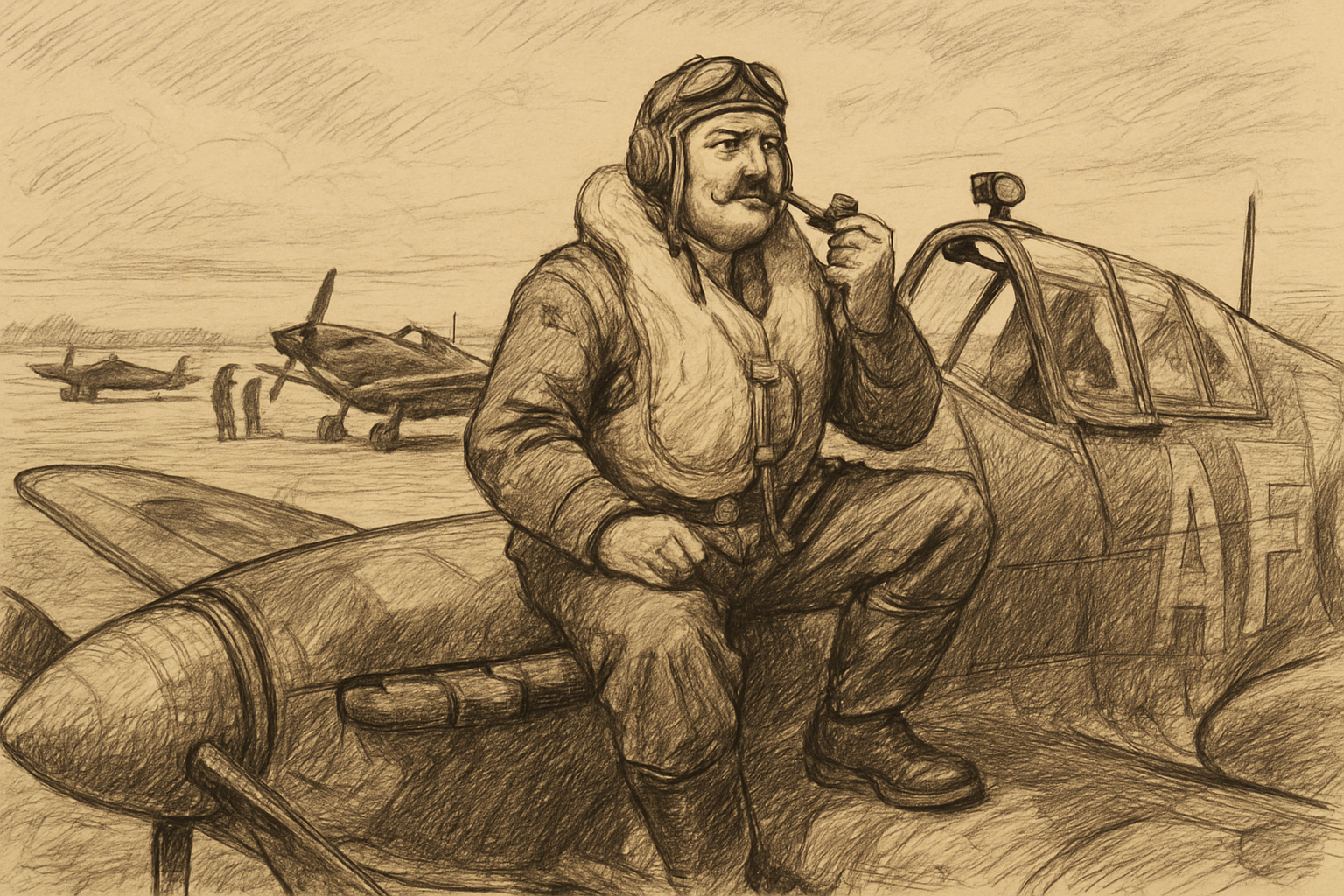
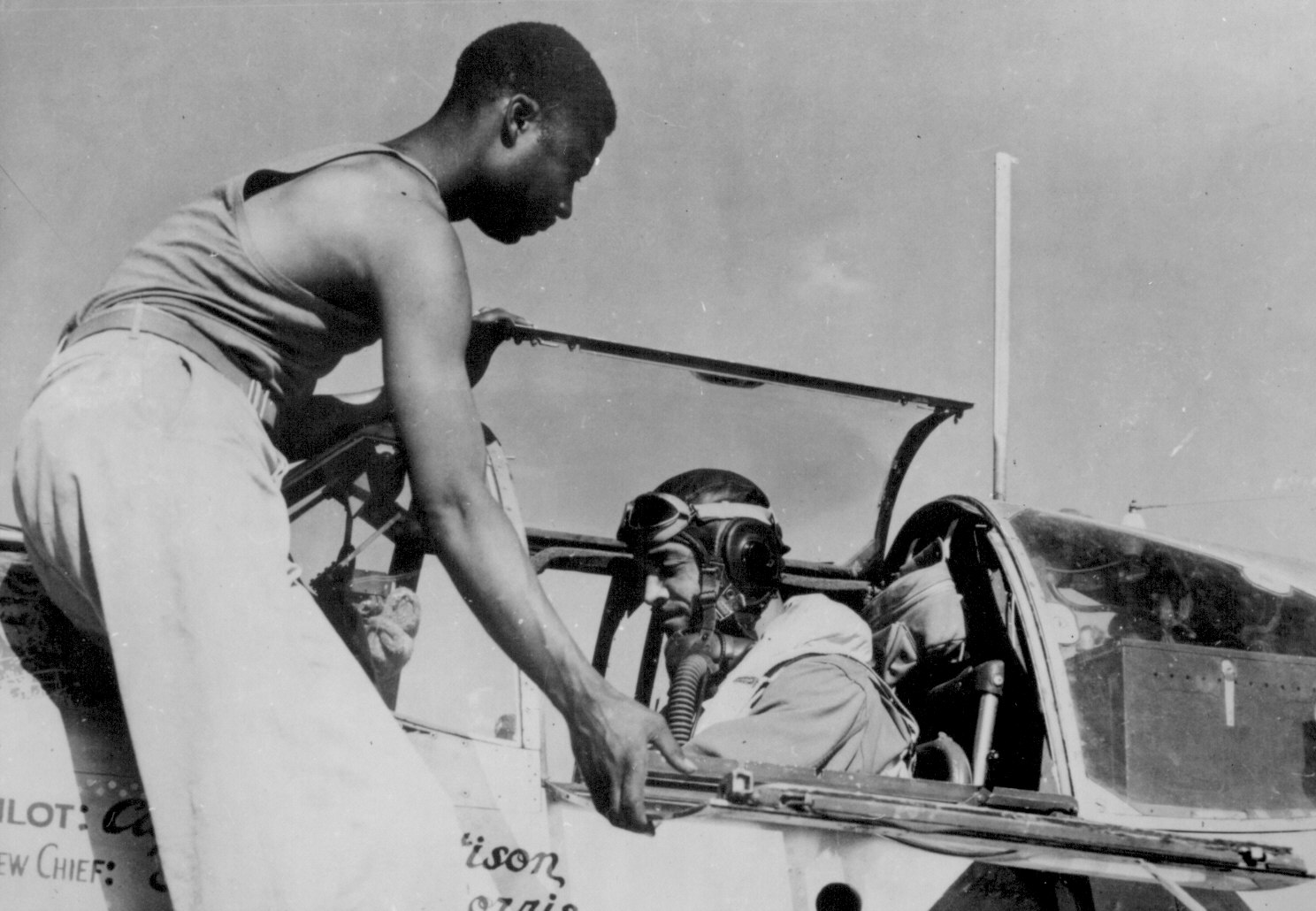
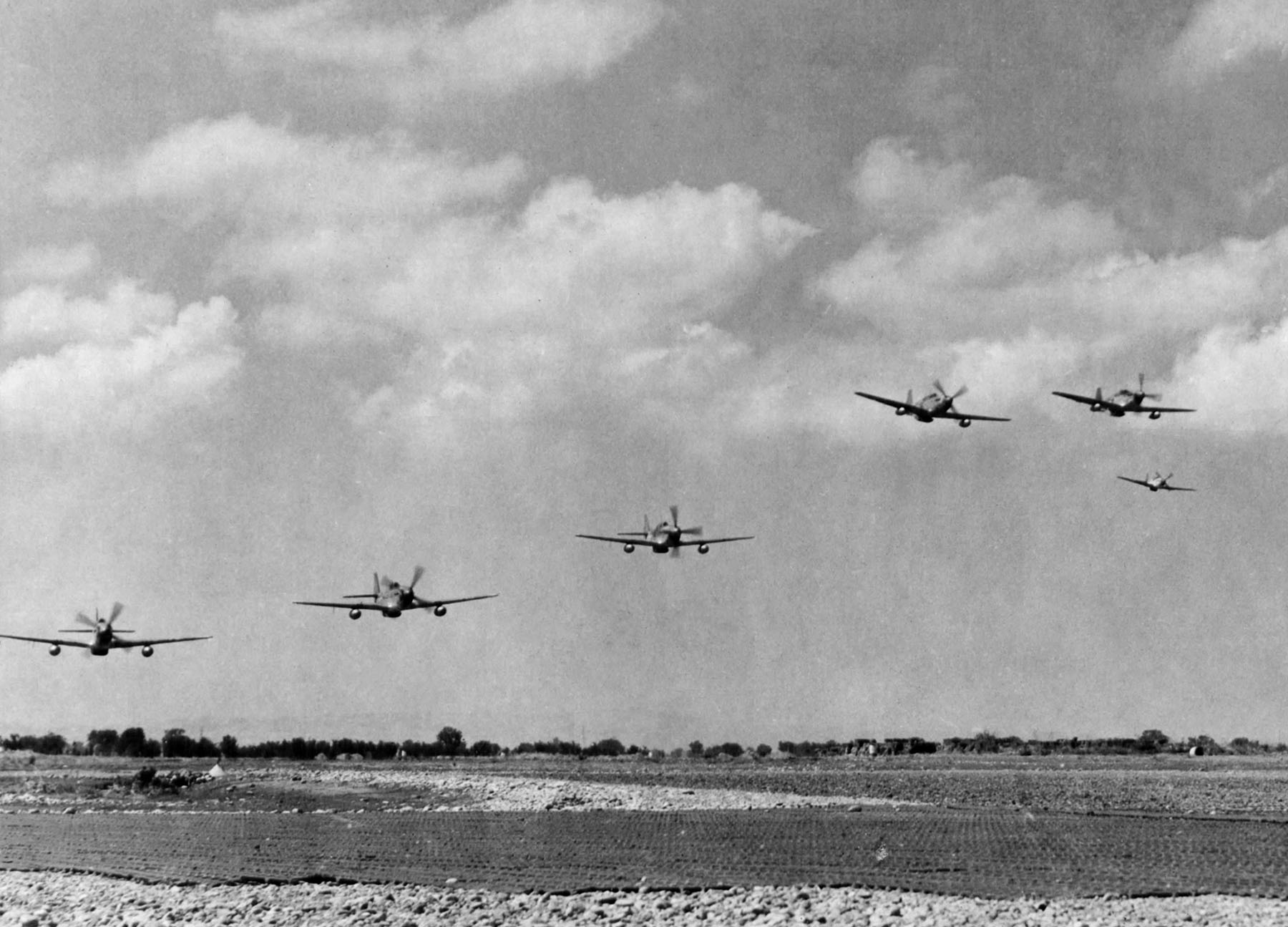
The 332nd Fighter Group deployed to the Mediterranean and European theatres between 1943 and 1945, flying escort missions that took them deeper into German-held territory than most groups dared. Their distinctive red-tailed aircraft became a recognisable sight — and a reassurance — for the B-17 crews they were protecting.
The most celebrated claim — that the Red Tails never lost a bomber to enemy fighters under their escort — is debated by historians. The record is genuinely contested, and serious scholars have found exceptions. But even stripping away the mythology, the documented record is extraordinary: over 150 Distinguished Flying Crosses earned, aerial victories against some of the Luftwaffe's most experienced pilots, and a reputation for aggressive, disciplined escort work that other groups couldn't match.
Some bomber crews didn't learn until after the war that the men protecting them were Black. Their reaction, by almost every account, was stunned admiration.
When the Glory Goes to the Eighth Air Force, Who Remembers the Freeman Field Mutiny?
In April 1945, 101 Black officers at Freeman Field, Indiana were arrested for refusing to use segregated facilities on an American base — while waiting to be deployed into combat. One hundred and one men, in uniform, charged with insubordination for demanding to be treated as the officers they were.
The Freeman Field Mutiny is largely absent from mainstream WWII narratives. It doesn't fit the triumphant story arc. But these men faced court-martial, career destruction, and the full force of military authority — and they didn't back down.
That took a different kind of courage than aerial combat. In some ways, it took more. Because over Germany, the enemy was in front of you. At Freeman Field, the enemy was wearing the same uniform.
Some Say They Changed the U.S. Military Forever. Others Say Truman Gets All the Credit. Which Side Are You On?
President Truman signed Executive Order 9981 in 1948, desegregating the U.S. Armed Forces. History books frame this as the turning point, and Truman deserves credit for signing it.
But consider the contrarian case: Truman signed the paper. The Tuskegee Airmen wrote the argument. Their combat record made desegregation politically unavoidable. You cannot point to men who flew 15,000 sorties, earned 150 Distinguished Flying Crosses, and specifically requested by name by the crews they protected — and then maintain that those men are intellectually or morally unfit for equal treatment.
Whether their legacy accelerated the broader civil rights movement, or whether it's been co-opted into a comfortable story that sidesteps harder questions about structural racism, is a debate worth having. As some of the war's most celebrated figures demonstrate, heroism and complexity rarely travel separately.
What the Red Tails Actually Flew — and Why It Mattered
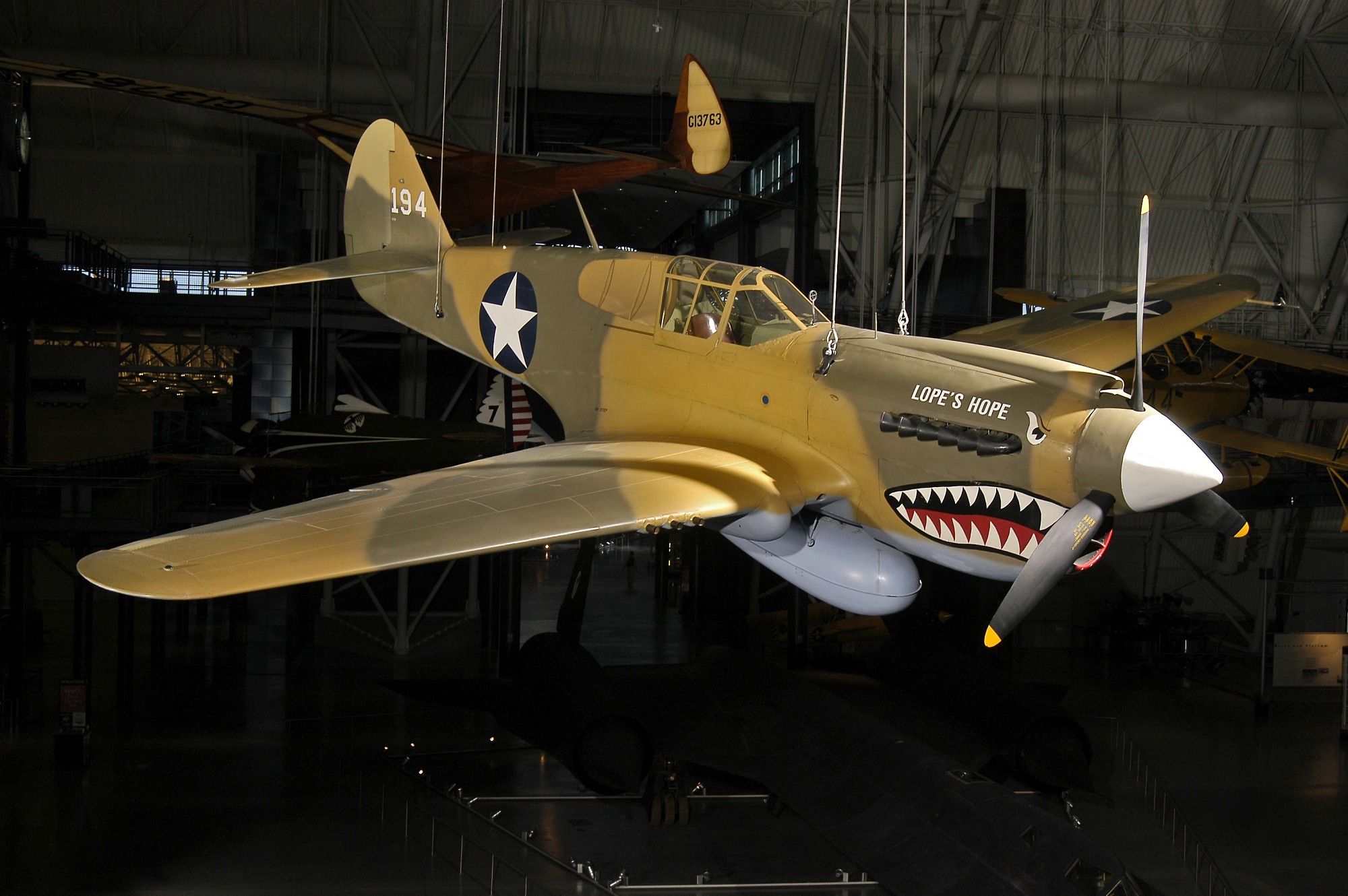
The 332nd progressed through three primary aircraft: the Curtiss P-40 Warhawk, the Republic P-47 Thunderbolt, and finally the North American P-51D Mustang. The Mustang was the game-changer — its range finally made deep escort missions into Germany viable in a way earlier fighters simply couldn't manage.
The red tail markings began as a practical unit identifier. They became something far more significant — a symbol of pride for the pilots, and a psychological signal for bomber crews scanning the sky for friendly fighters. Seeing red tails meant you had the best.
The Luftwaffe noticed too.
The Tuskegee Airmen didn't just break a colour barrier — they dismantled an argument. The question worth debating is whether America has ever fully reckoned with what that cost them to do, or whether we've settled for celebrating the victory while quietly forgetting the injustice that made it necessary. Where do you stand?