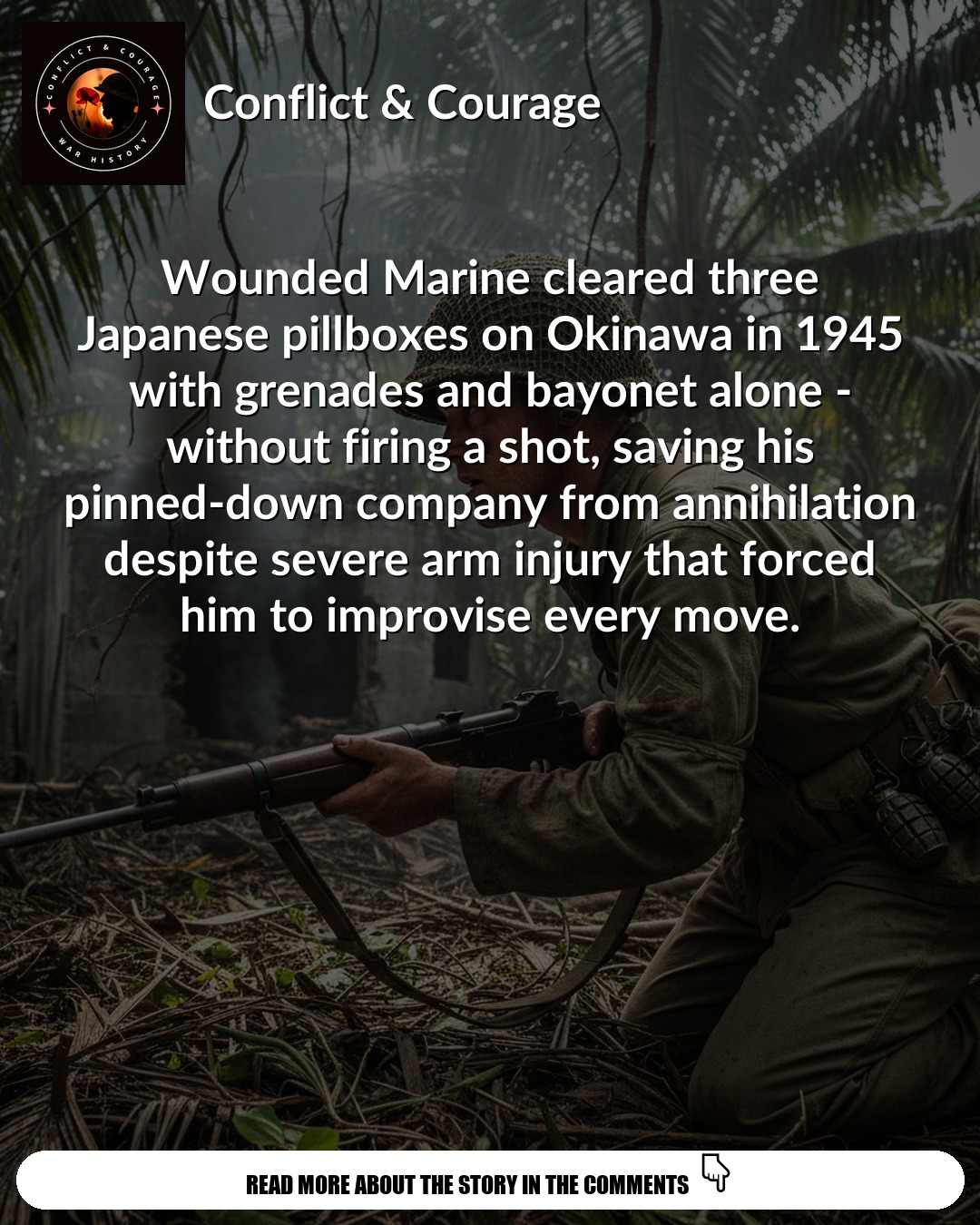
On the blood-soaked coral of Okinawa in 1945, most heroes made their mark with thunderous gunfire and desperate charges. But Vernon Harrell wrote his name in history with deadly silence, taking out three enemy pillboxes without firing a single shot. His story isn't just about courage—it's about the impossible becoming reality when everything was on the line.
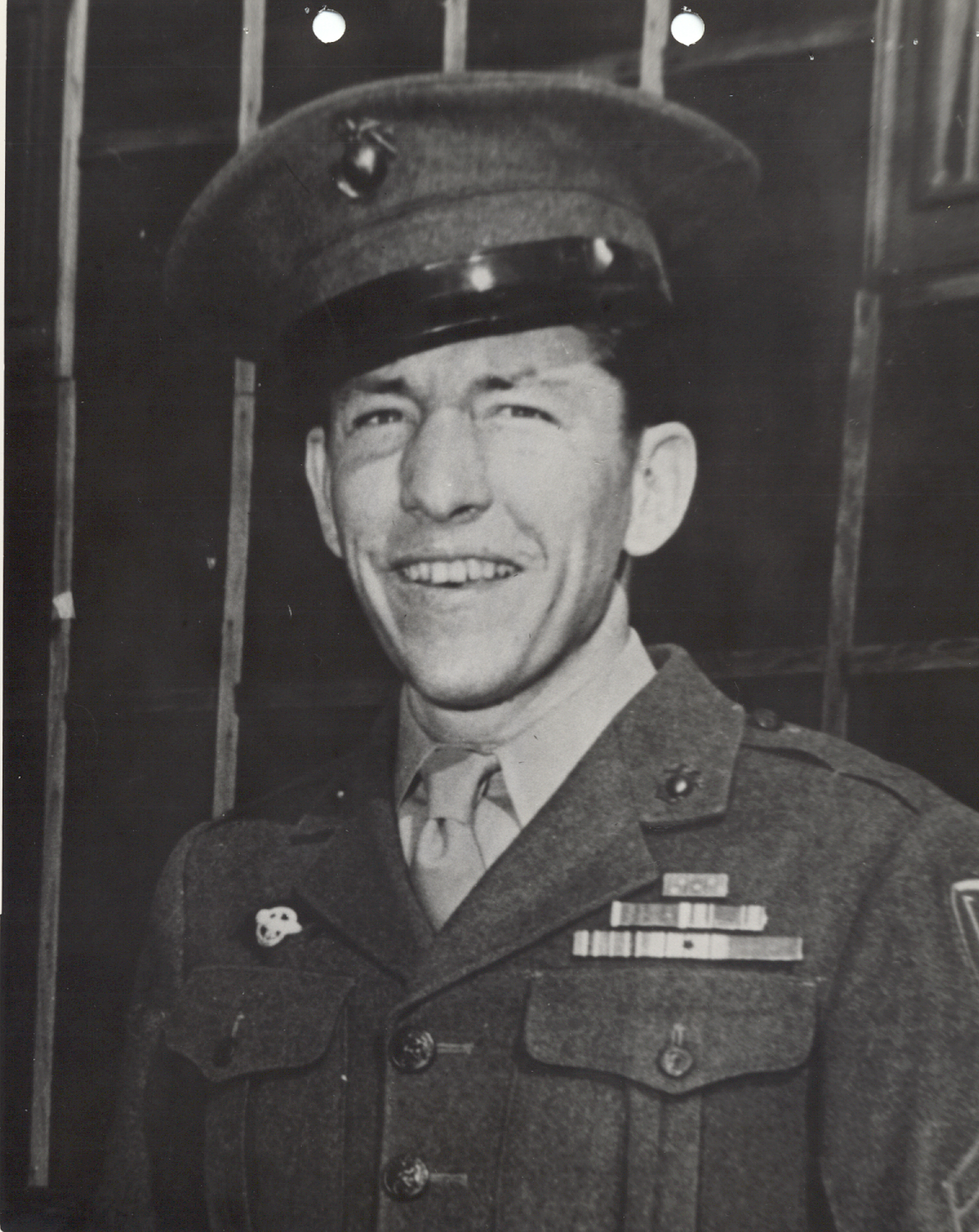
The Silent Hero of Okinawa
The Battle of Okinawa was hell on earth, a brutal 82-day meat grinder that claimed over 200,000 lives. American forces faced an enemy determined to make every yard cost blood, hidden behind concrete pillboxes and underground fortifications that seemed impregnable.
Staff Sergeant Vernon Harrell's company found themselves pinned down by a network of Japanese defensive positions, machine guns raking their advance with merciless precision. What happened next would earn Harrell the Medal of Honor—not for what he said or shouted, but for what he accomplished in deadly silence.
Military tacticians called his actions "impossible" because they defied every conventional approach to warfare. When facing fortified positions, doctrine called for overwhelming firepower and coordinated assaults. Harrell had neither luxury.
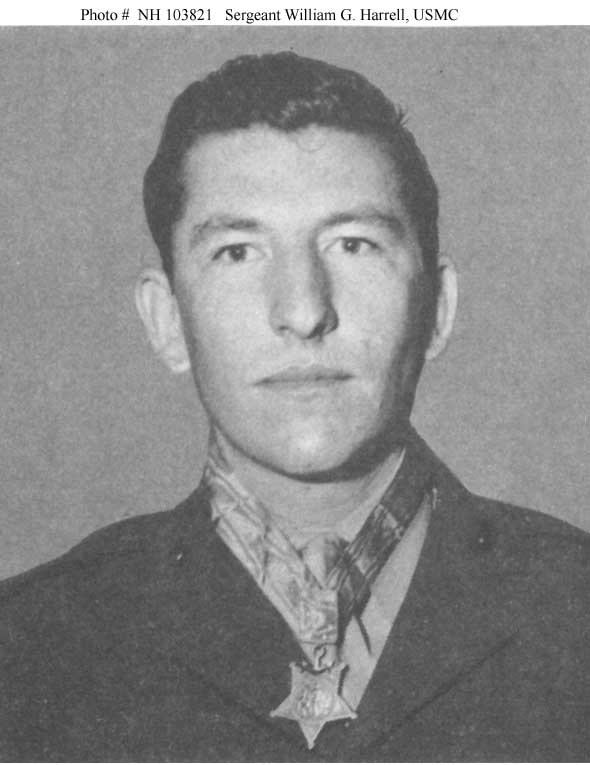
When Words Weren't Enough
The tactical situation was desperate. Harrell's company was caught in a killing field, unable to advance or retreat without massive casualties. Japanese pillboxes dominated the approaches, their interlocking fields of fire creating an impenetrable wall of death.
These weren't simple bunkers—they were expertly constructed concrete fortifications with multiple firing ports, designed to withstand artillery bombardment. Each pillbox was a fortress unto itself, manned by soldiers prepared to fight to the death.
Already wounded in the early stages of the assault, Harrell watched his comrades fall around him. The unit faced complete annihilation unless someone acted. That someone would be him, and he would do it alone.
Lesser men would have stayed down after taking enemy fire, but Harrell felt the familiar weight of responsibility that separates true warriors from ordinary soldiers. His arm throbbed from shrapnel, but his resolve only strengthened.
Fighting Silent: The First Two Pillboxes
What Harrell did next violated every tactical manual ever written. Instead of calling for artillery support or organizing a frontal assault, he moved forward alone, using stealth as his primary weapon.
His approach to the first pillbox was methodical and terrifying. Moving from crater to crater, he closed the distance without alerting the defenders. When he reached grenade range, he pulled the pins with his teeth—a technique born of necessity when wounded hands made conventional methods impossible.
The grenades did their work in silence-shattering explosions, but Harrell's approach remained ghostlike. The second pillbox fell the same way, its defenders caught completely off guard by this lone American who fought like a shadow.
Each successful assault brought him closer to saving his company, but also deeper into enemy territory. Behind him, his wounded comrades watched in amazement as their sergeant systematically dismantled what should have been an impregnable defense.
The Final Charge: Bayonet Against the Impossible
At the third pillbox, Harrell's grenades ran out. Any reasonable soldier would have retreated to regroup and resupply. Harrell fixed his bayonet instead.
What followed was the stuff of legend—a wounded American sergeant charging a concrete fortress armed only with a rifle and bayonet. The defenders, stunned by the audacity of the assault, found themselves facing an enemy who had already proven he could accomplish the impossible.
Inside the cramped confines of the pillbox, Harrell fought hand-to-hand with desperate Japanese soldiers. The combat was brutal and personal, each man fighting for survival in a space barely large enough for one. When the fighting ended, the position was silent.
His company could finally advance. The tide of the engagement had turned because one man refused to accept that some things were impossible.
![[U.S. Army Medal of Honor with neck band]](https://pub-1a77e7db170042adb48eb7b660a445d6.r2.dev/pd-library/US_Army_Medal_of_Honor_with_neck_band_7e463d597a.jpg)
The Cost of Courage
Harrell's wounds were serious—the kind that would have ended most soldiers' war immediately. But he had pressed on, driven by something deeper than duty or training. The physical scars would heal, but the mental toll of single-handed combat left marks that never fade.
Like many Medal of Honor recipients, Harrell discovered that extraordinary heroism comes at an extraordinary price. The same qualities that made him capable of impossible acts also made peacetime life challenging to navigate.
His later military service was affected by his injuries, but his example continued to inspire fellow soldiers. Some heroes are remembered for their words; Harrell was remembered for his silence and deadly effectiveness.
Beyond the Medal: Life After Okinawa
Returning to civilian life presented challenges that battlefield heroics couldn't prepare him for. Like other Medal of Honor recipients, Harrell found that society's expectations of heroes didn't always match reality.
The quiet dignity he displayed in combat carried over into his post-war years. He didn't seek the spotlight or capitalize on his fame, preferring to let his actions speak for themselves—just as they had on Okinawa.
Within the veteran community, his name carried special weight. Young soldiers studied his tactics, but more importantly, they absorbed the lesson that impossible situations sometimes require impossible courage.
Remembering the Impossible
Vernon Harrell's story stands out even among Medal of Honor recipients because it challenges our assumptions about heroism. While others charged with battle cries and blazing guns, he achieved victory through stealth and determination.
Modern military training still references his unconventional approach to clearing fortified positions. The tactical lessons learned from his silent assault continue to influence special operations doctrine today.
His legacy reminds us that heroism comes in many forms. Sometimes the greatest courage is found not in the loudest charge, but in the quietest determination to do what must be done, regardless of the odds.
Do you know other stories of silent heroes who changed the course of battle? Share your thoughts below, and let's honor the memory of those who fought in their own extraordinary ways. Every Medal of Honor story deserves to be told and remembered.