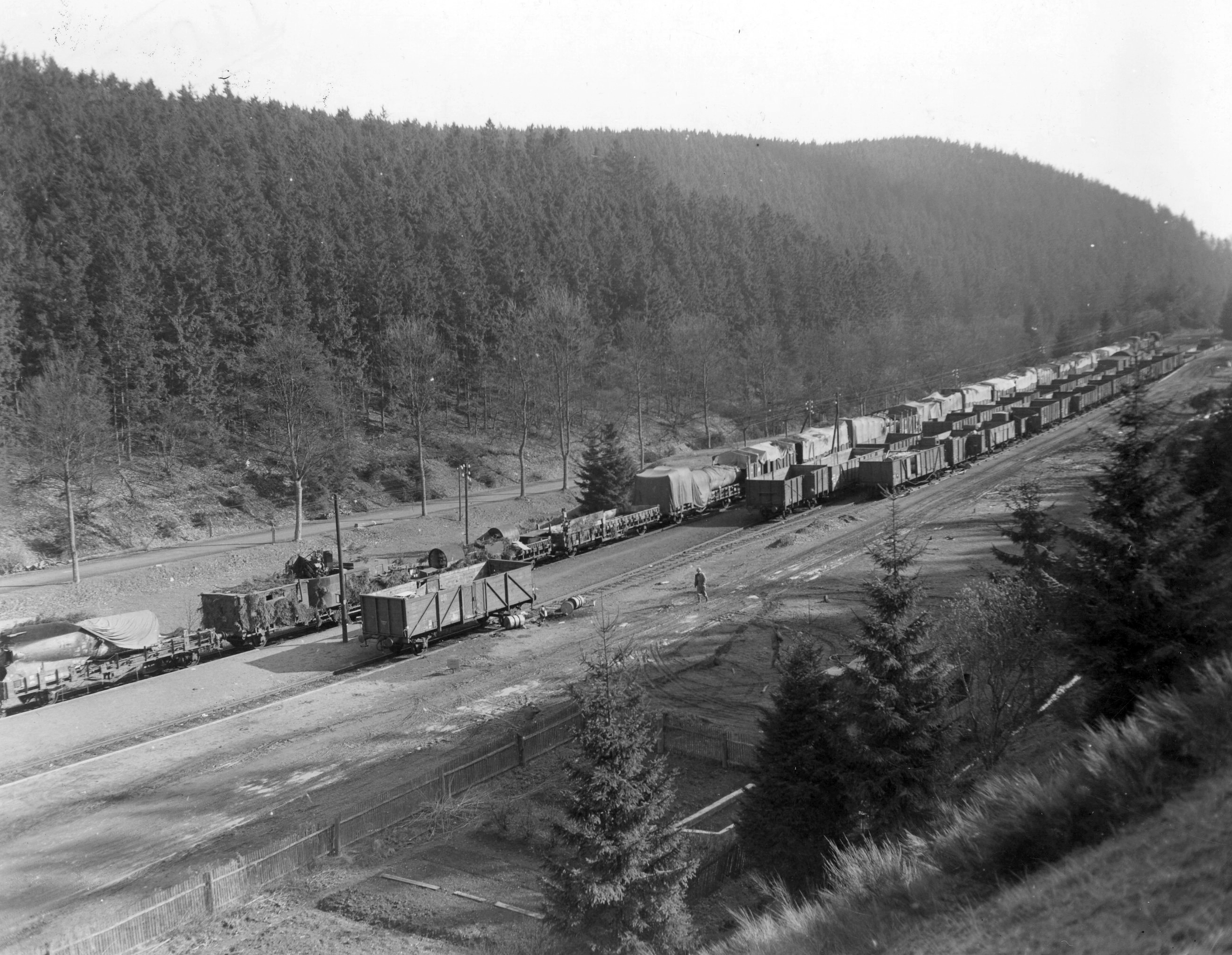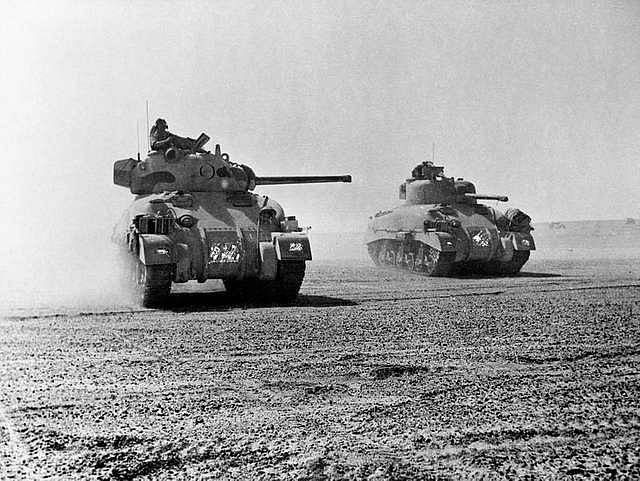
The German Tiger was a predator stalking European battlefields with 88mm claws. But the American M4 Sherman was the relentless hunter that never stopped coming — and that made all the difference in a war where numbers trumped perfection.
Sherman crews grimly called their tank the "Tommy Cooker" because of its tendency to burst into flames when hit. They knew the grim mathematics: their 75mm gun often bounced off German armor while enemy shells turned their home into an inferno.
Yet here's what the statisticians understood that the engineers missed — America built 49,234 Shermans while Germany managed just 1,347 Tigers. When you're facing those odds, engineering perfection becomes academic.
When Panzer Crews Bragged About Their Kill Ratios, Who Counted the Shermans That Kept Rolling?
German tank commanders could rack up impressive kill counts, but they faced an enemy that replaced losses faster than they could inflict them. Every Tiger knocked out five, ten, even fifteen Shermans — and then faced twenty more the next day.
During the Normandy breakout, American commanders deliberately used Sherman swarm tactics. They'd send waves of medium tanks around German flanks while the heavy armor was busy engaging the first wave head-on.
The psychological impact was devastating. German crews who survived Tiger breakdowns or fuel shortages watched endless columns of fresh Shermans rolling past their abandoned positions. Reliability matters more than firepower when your supply lines stretch across conquered Europe.
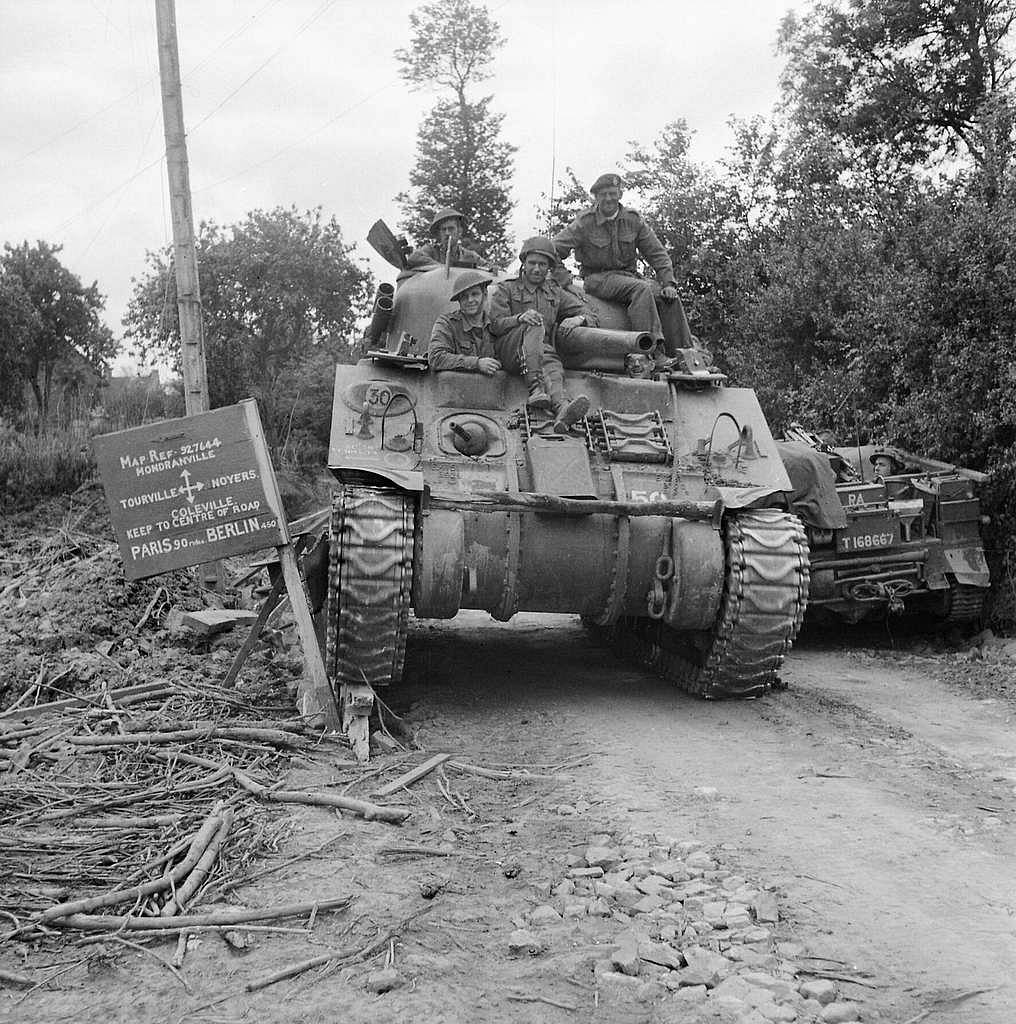
Inside the 'Death Trap': What Sherman Crews Really Faced
The "Tommy Cooker" nickname wasn't propaganda — it reflected brutal reality. Early Shermans used high-octane gasoline that ignited easily, and stored ammunition that cooked off spectacularly when penetrated.
Sherman gunner Joe Drago remembered his first encounter with a Panther: "We hit him six times with our 75, and every shot bounced off like tennis balls. His first shot went through our front armor like tissue paper."
Yet these same crews developed dark humor and pragmatic tactics that kept them fighting. They learned to angle their armor, use terrain, and coordinate with infantry in ways that German manuals never anticipated. Fear bred innovation when the alternative was burning alive.
The American Production Miracle That Hitler Never Understood
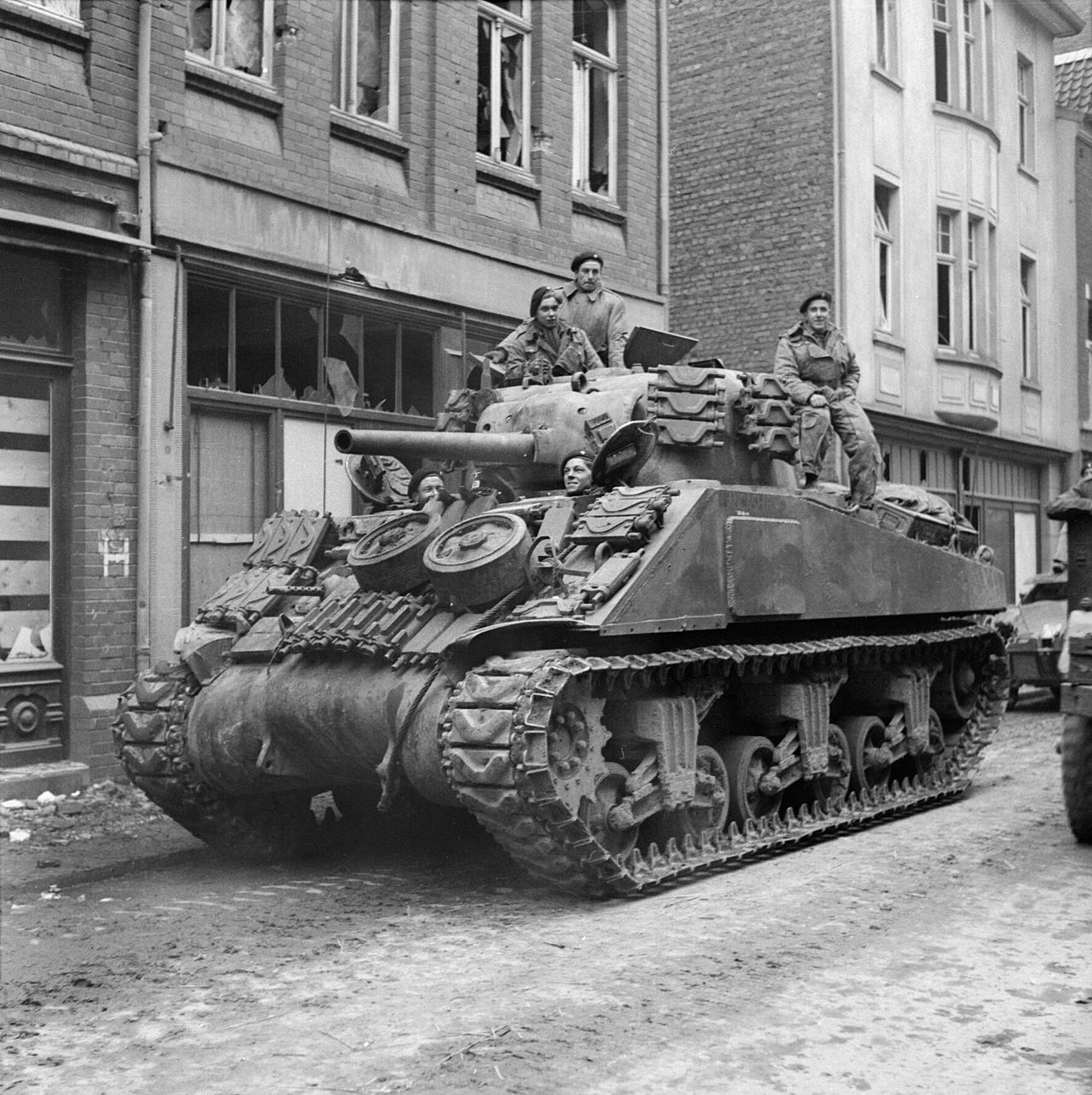
Detroit's conversion from automobile production to tank manufacturing defied every assumption about industrial capacity. General Motors, Ford, and Chrysler retooled their assembly lines and began cranking out Shermans at impossible rates.
While German engineers obsessed over perfecting the Tiger's transmission for the fourth time, American factories were standardizing Sherman components across multiple manufacturers. This wasn't just about quantity — it was about sustainable warfare.
Every Sherman crew could swap parts with any other Sherman unit. Every mechanic knew the same systems. Every replacement tank rolled off the line identical to the last thousand. German super-tanks required specialized everything, from ammunition to trained mechanics.
Were Sherman Tactics Criminally Wasteful, or Brilliantly Pragmatic?
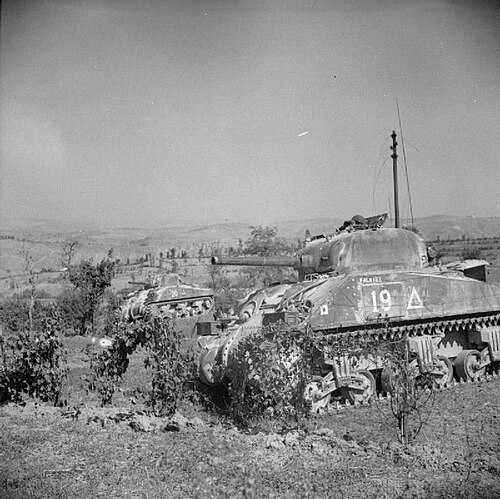
British and Canadian Sherman operations tell a different story than the American narrative. In Italy and Northwest Europe, Commonwealth forces used their Shermans more cautiously, emphasizing infantry support over tank-versus-tank combat.
The famous "Rhino" modifications — steel teeth welded to Sherman fronts for hedgerow busting — showed how crews adapted their machines to battlefield realities. When your tank can't out-gun the enemy, you make it do jobs the enemy can't imagine.
Compare Sherman losses to German replacement capabilities, and the mathematics become clear. America could afford to lose three Shermans for every Tiger — Germany couldn't afford to lose Tigers at any ratio.
The Legacy Question: Did Quantity Really Defeat Quality?
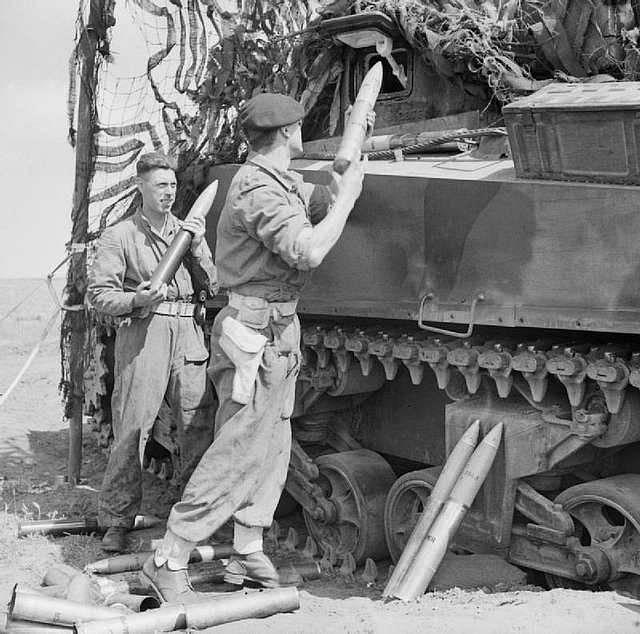
Modern military historians love debating Sherman effectiveness versus German super-tanks, but they often miss the strategic picture. Wars aren't won by the best tank — they're won by having enough adequate tanks where you need them, when you need them.
The uncomfortable truth about acceptable losses haunts every discussion of Sherman tactics. American commanders knew they were trading lives for strategic advantage, and the crews knew it too.
Post-war analysis shows that Sherman reliability and maintainability mattered more than raw firepower in extended campaigns. A Tiger that breaks down after 100 miles loses to a Sherman that keeps rolling after 1,000.
Your Grandfather's War Machine Deserves Better Than Myths
Hollywood depicts Shermans as helpless death traps, but that narrative ignores the men who climbed into them anyway and won the war. The "Tommy Cooker" nickname stuck because it captured genuine fear — not because it defined the tank's entire story.
These crews faced superior German armor with inferior weapons and kept fighting because they understood something their critics miss: sometimes winning means accepting losses your enemy can't sustain.
The Sherman wasn't the best tank of World War II — it was the tank that showed up when and where it mattered most. In warfare, presence beats perfection every time.
Would you have climbed into a Sherman in 1944, knowing the odds?