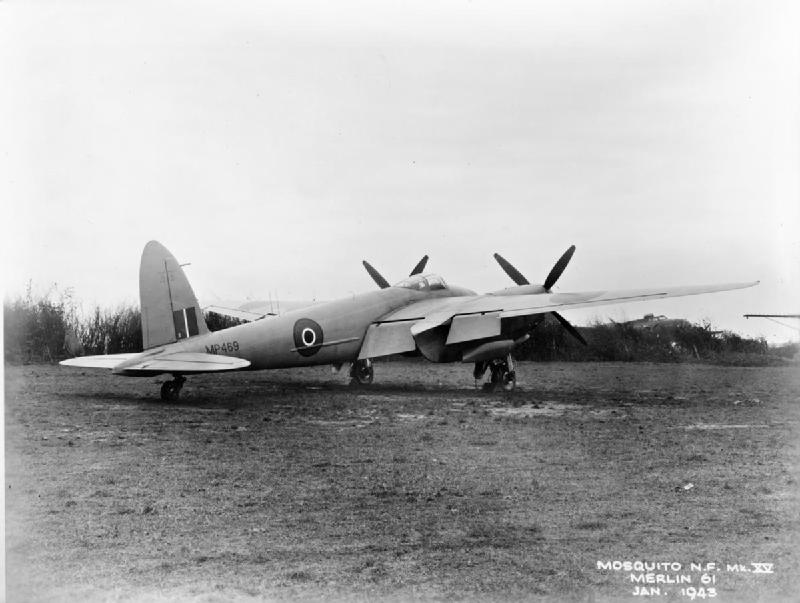
The Spitfire gets all the glory, but when German pilots saw a twin-engine silhouette streaking past at 400 mph, they knew they were looking at something far more dangerous. While everyone celebrates Britain's iconic fighter, a wooden aircraft was quietly rewriting the rules of aerial warfare — and driving the Luftwaffe absolutely mad.
The de Havilland Mosquito didn't just outrun German interceptors. It humiliated them.
The Spitfire Was Glamorous — But the Mosquito Was Unstoppable. Which One Really Won the Air War?
Ask anyone about British warplanes and they'll mention the Spitfire's graceful curves and heroic pilots. That's the romantic version of aerial combat — knights of the air dueling over the English Channel.
But here's what really happened: while Spitfire pilots were locked in dogfights, Mosquito crews were flying deep into German territory, photographing secret installations, bombing precision targets, and flying home before anyone could touch them.
The Spitfire fought for air superiority. The Mosquito simply ignored the concept entirely. Why fight when you can outrun every enemy fighter in the sky?
When Everyone Else Built Metal Monsters, de Havilland Grabbed Some Plywood
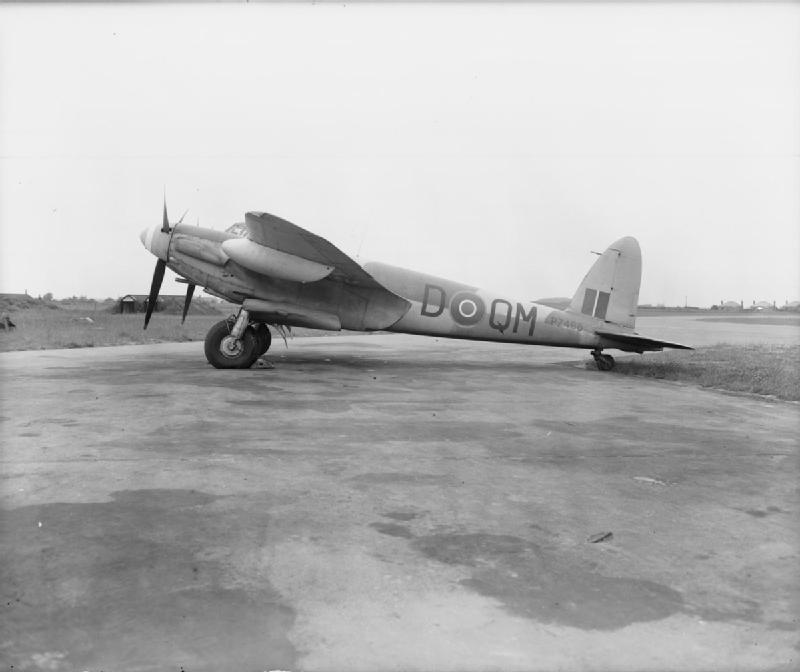
Geoffrey de Havilland's proposal must have sounded insane to Air Ministry officials in 1938. Build a high-speed bomber from wood? When every serious aircraft manufacturer was pushing toward all-metal construction?
The bureaucrats initially rejected the concept outright. Wood belonged to trainers and light aircraft, not frontline combat machines. De Havilland persisted anyway, convinced that laminated wood construction could create something revolutionary.
Strategic metal shortages eventually forced officials to reconsider. Aluminum was desperately needed for conventional aircraft. Maybe this crazy wooden bomber wasn't such a mad idea after all.
Britain's centuries-old furniture industry suddenly became a strategic asset. Piano makers and boat builders found themselves crafting the wings of tomorrow's terror weapon.
The Luftwaffe's Nightmare: A Bomber That Refused to Be Caught
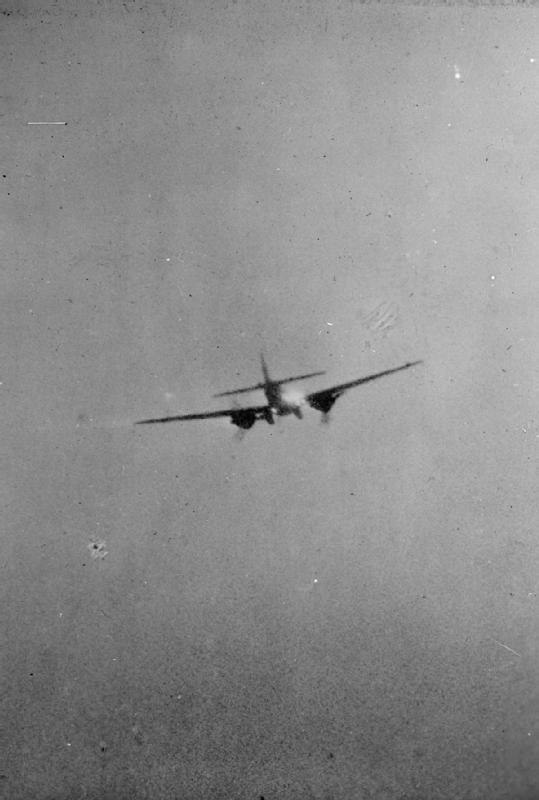
German fighter pilots developed a special hatred for the Mosquito. Imagine spotting an enemy bomber, diving to intercept, and watching helplessly as it accelerates away from you like you're standing still.
The Mosquito's maximum speed of 408 mph left most German fighters eating its exhaust. Even the fearsome Focke-Wulf 190 could barely match that pace, and only when stripped of combat equipment.
Luftwaffe pilot reports from 1943 read like exercises in frustration: "Sighted enemy aircraft... pursued but could not close distance... target escaped to the west."
Speed became the ultimate defense. Why armor a bomber when you can simply outrun every threat? The psychological impact on German air defenses was devastating — knowing that certain Allied aircraft were essentially untouchable.
From Precision Bombing to Photo Reconnaissance: The Multi-Tool Wonder
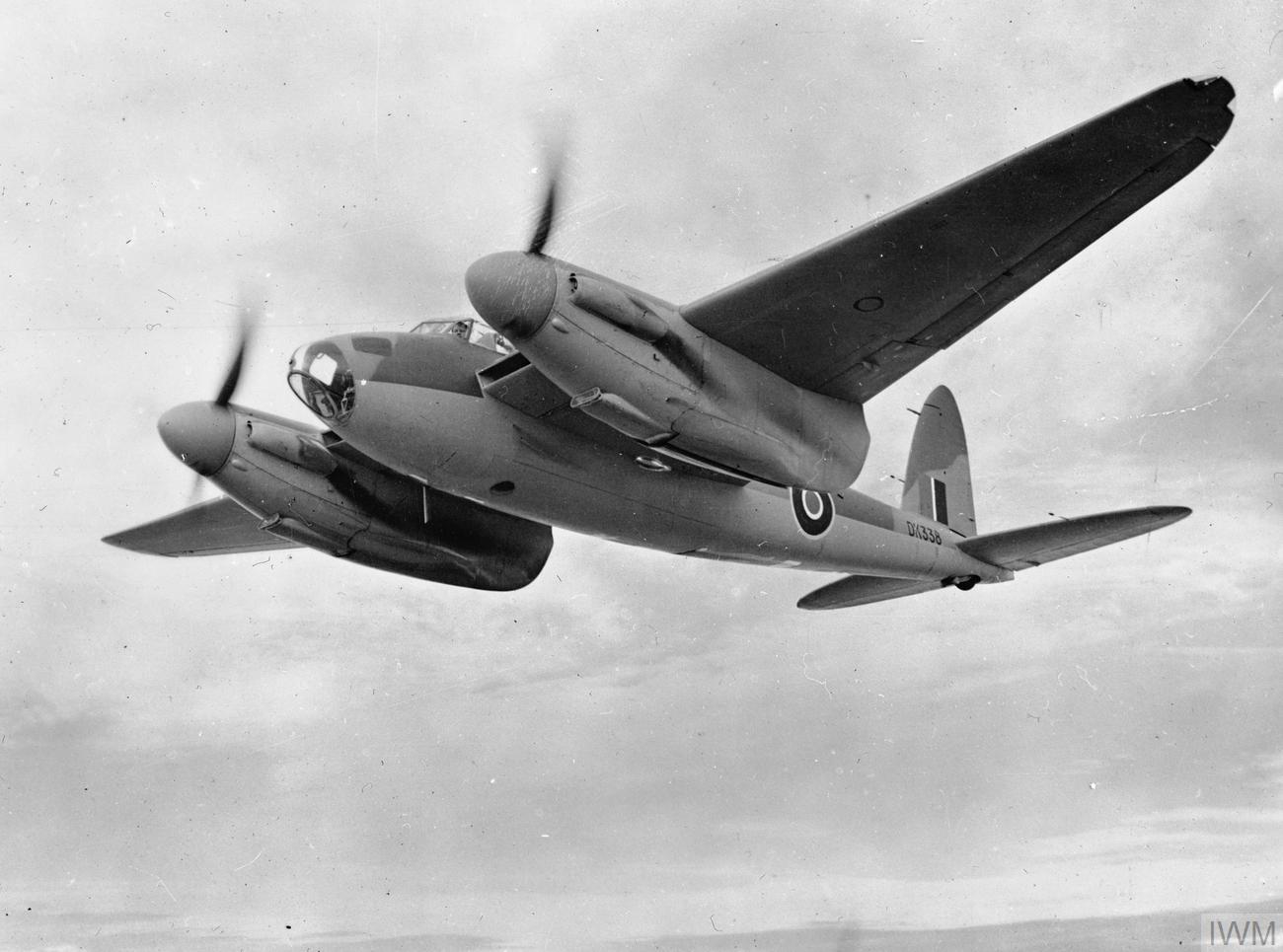
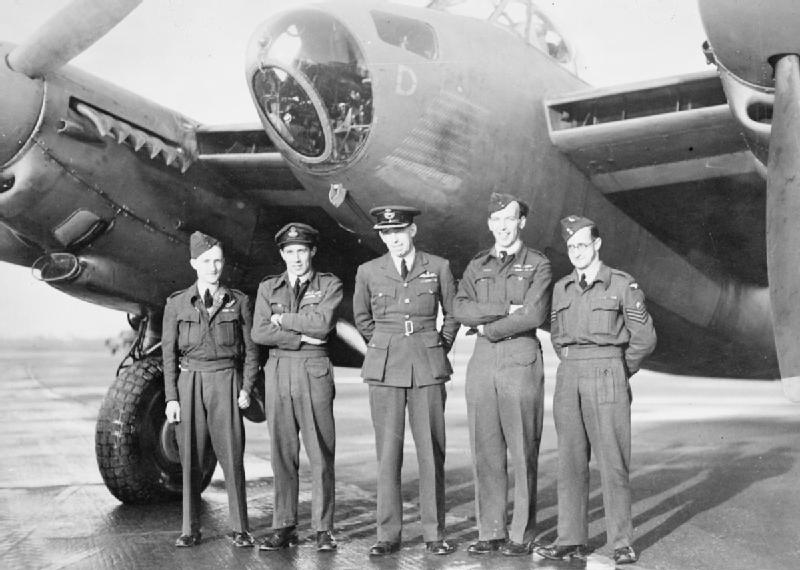
The Mosquito's versatility embarrassed every specialist aircraft in both air forces. The same basic airframe served as a high-speed bomber, photo reconnaissance platform, night fighter, and pathfinder for heavy bomber streams.
Mosquito bombers struck the Gestapo headquarters in Oslo with surgical precision, timing their attack to minimize civilian casualties. Photo reconnaissance variants photographed V-2 rocket sites from altitudes German fighters couldn't reach.
Night fighter Mosquitos hunted German bombers over Britain, using primitive radar to devastating effect. The same wooden wonder that delivered bombs by day became a deadly predator after dark.
One airframe, multiple roles, maximum impact. German aircraft designers were still building specialized machines while Britain deployed aerial Swiss Army knives.
Why German Engineers Couldn't Build Their Own Wooden Wonder
Germany attempted several wooden aircraft projects, but cultural prejudice doomed them from the start. German engineers viewed wood construction as primitive, unsuitable for serious military applications.
The Focke-Wulf Ta 154, Germany's answer to the Mosquito, suffered from this mindset. Over-engineered, overweight, and plagued by adhesive problems when strategic glue supplies ran short.
Britain possessed advantages German planners never considered: centuries of skilled woodworking tradition, abundant birch forests, and a furniture industry that understood laminated construction. German perfectionism often created magnificent failures where British pragmatism succeeded brilliantly.
Doctrine mattered too. German air strategy emphasized specialized aircraft for specific roles. The British embraced versatile platforms that could adapt to changing tactical requirements.
The Numbers That Made Hitler Furious
Production statistics reveal the Mosquito's true genius. Built with non-strategic materials by semi-skilled workers, yet outperforming aircraft requiring critical aluminum and precision manufacturing.
Combat loss rates told the story of German frustration. Mosquito squadrons regularly achieved mission success rates above 95%, with losses under 2%. Compare that to conventional bombers suffering 10-15% losses per mission.
By 1944, Mosquitos were flying over 100 sorties monthly with virtual impunity. German air defenses, designed around intercepting slower bombers, proved helpless against the wooden intruders.
Economic efficiency sealed the argument. Each Mosquito cost roughly half as much as comparable metal aircraft while delivering superior performance across multiple roles.
Were British Aircraft Designers Brilliant Innovators, or Just Lucky Amateurs?
The Mosquito succeeded because British designers embraced unconventional solutions when conventional wisdom failed. While German engineers pursued theoretical perfection, practical Britons built what worked.
Perhaps necessity truly became the mother of invention. Metal shortages forced creativity, producing an aircraft that excelled precisely because it abandoned traditional approaches.
Or maybe British aircraft design culture valued results over prestige. Sometimes the crude solution that works beats the elegant solution that doesn't.
The Mosquito proved that innovation often comes from asking different questions, not finding better answers to old ones. Instead of "How do we build a faster metal bomber?" de Havilland asked "What if we forget about metal entirely?"
What's your take on the Mosquito versus conventional aircraft design? Was British success due to brilliant engineering or fortunate circumstances?