Patton Said It Was the Greatest. Was He Right — Or Just American?
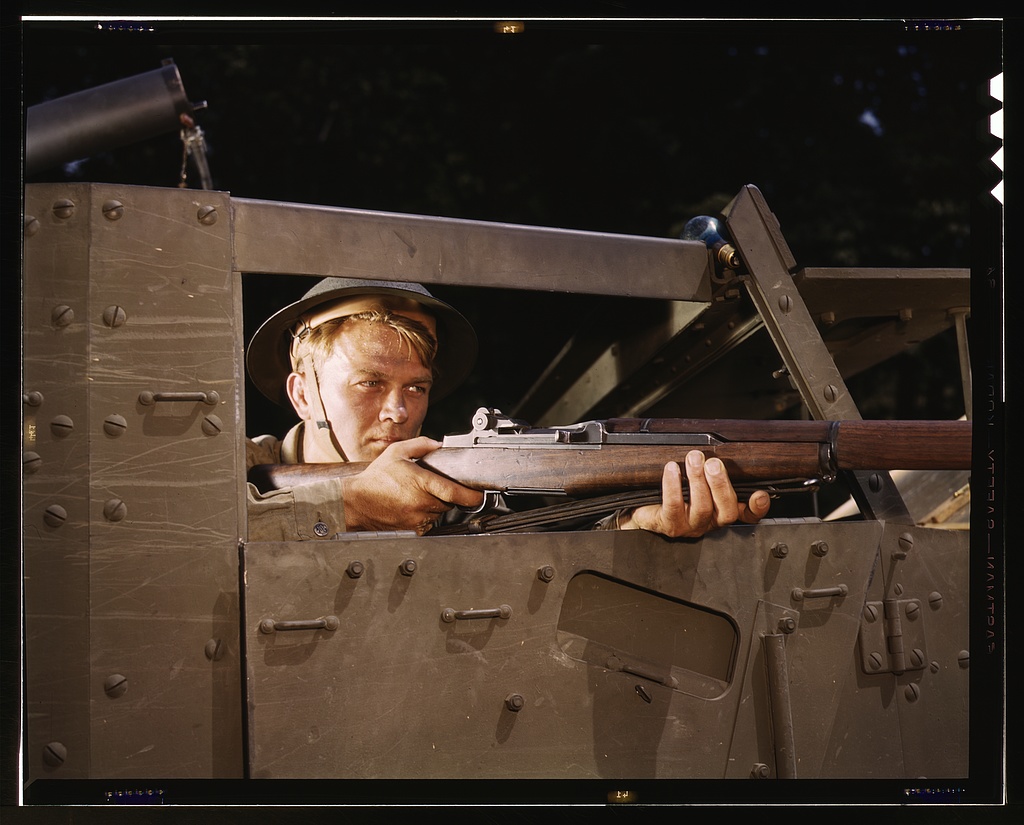
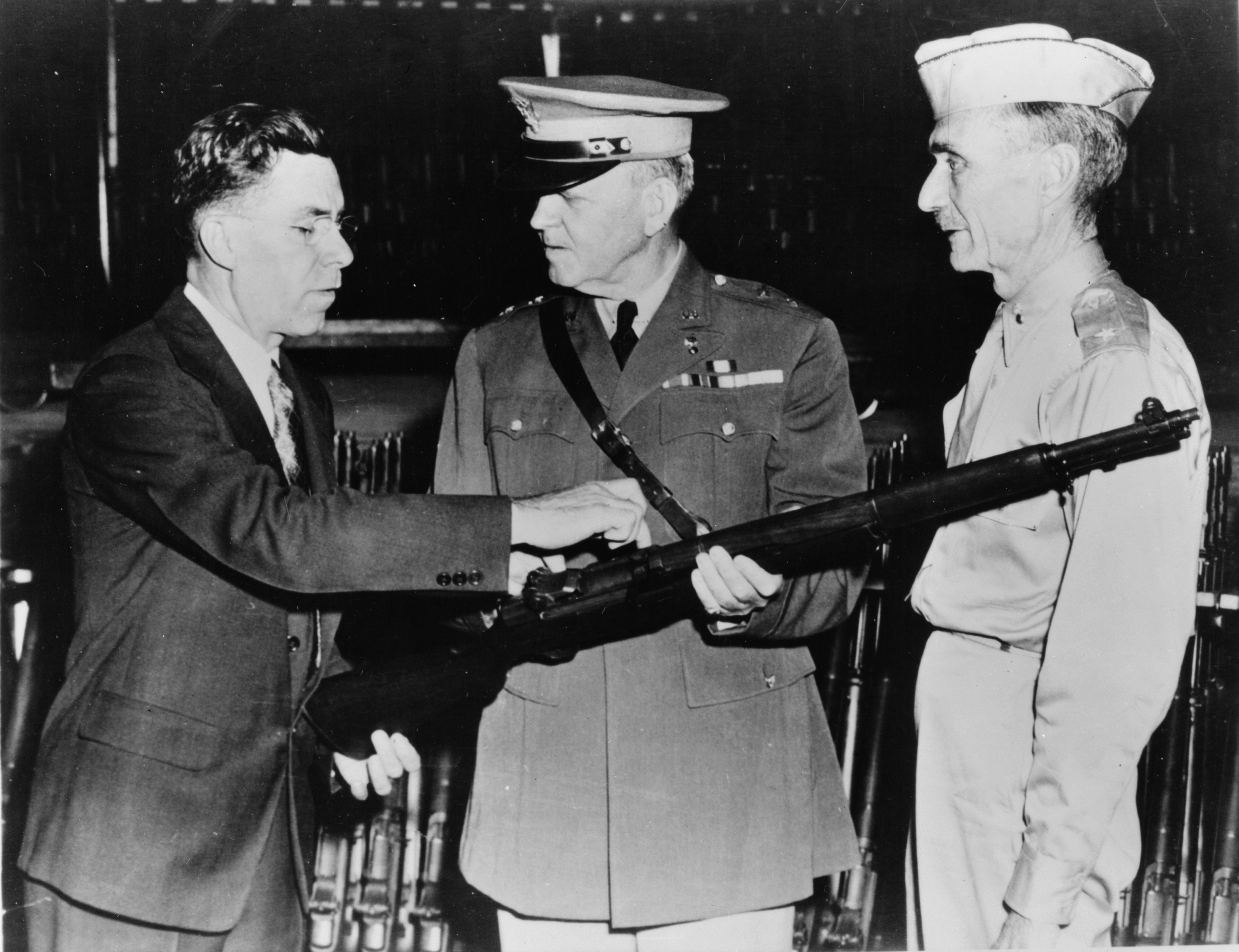
General George S. Patton called the M1 Garand "the greatest battle implement ever devised." Coming from a man who never said anything quietly, that's a statement worth examining. It has echoed through military circles, gun shops and veterans' reunions for eight decades.
Among the men who carried it, the reverence is fierce and entirely earned. Among historians, the debate is considerably more interesting. Because bold claims invite bold challenges — and the British, Germans and Soviets all had their own answers to the infantry firepower problem. Not all of them agreed with Patton.
While the World Worked a Bolt, the GI Just Pulled the Trigger
Semi-automatic sounds technical. On a battlefield, it meant one simple thing: pull the trigger again and the rifle fires again. No hand reaching up, no bolt cycling, no half-second of mechanical ritual between you and the next round.
A German soldier with his Kar98k could manage ten to fifteen aimed shots per minute under ideal conditions. A British rifleman with his Lee-Enfield, somewhat more. An American GI with his M1 Garand could deliver up to forty semi-automatic rounds per minute. Eight rounds before an enemy with a bolt-action could cycle twice.
That gap in tempo changed everything — how squads moved, how they suppressed, how they survived contact. And then there was the sound. The distinctive metallic ping of the empty en-bloc clip ejecting became one of WW2's most recognisable sounds. Veterans romanticised it. Critics claimed it telegraphed an empty rifle to a waiting enemy. The truth, most soldiers agreed, was that in the noise of a real firefight, nobody heard a thing.
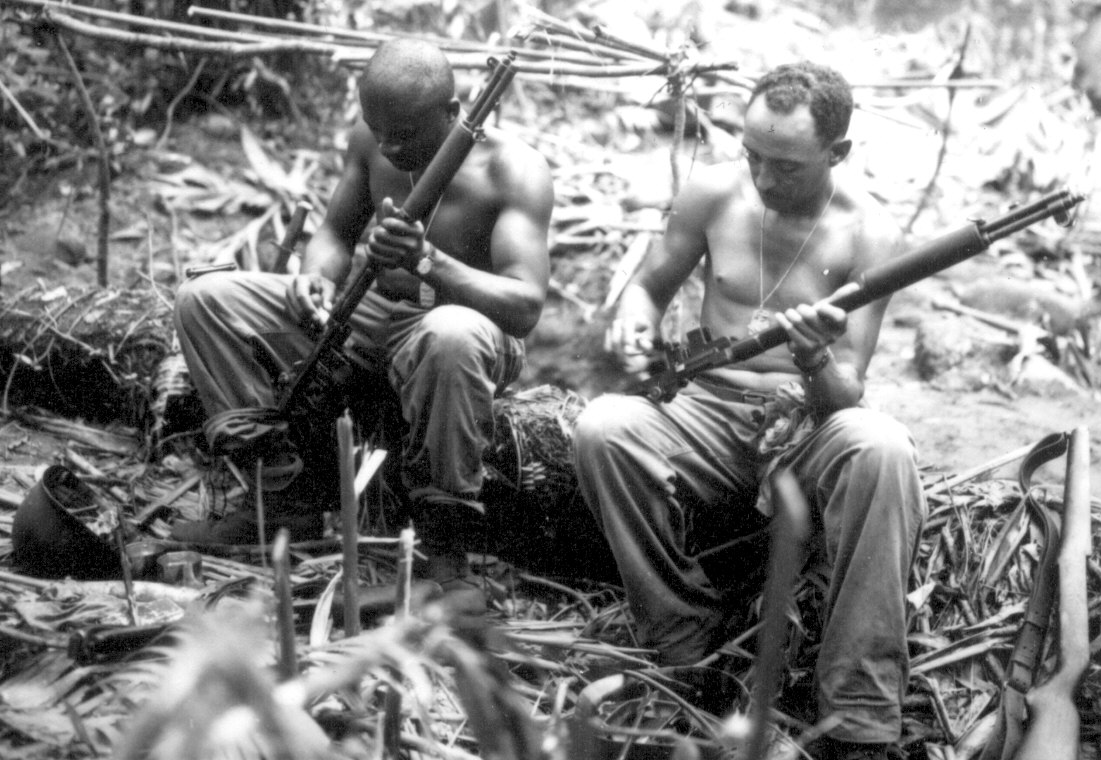
Most People Think the Lee-Enfield Was No Match. Unpopular Opinion: The British Weren't as Outgunned as You'd Think
Here's where it gets genuinely uncomfortable for Garand loyalists. The Lee-Enfield had a trick up its sleeve — a ten-round magazine and a smooth bolt action that, in trained hands, could produce fifteen aimed rounds per minute. British Army doctrine had long celebrated the "mad minute," a tradition of rapid bolt-action fire that bordered on the extraordinary.
Which raises a question worth sitting with: does a well-drilled soldier with a bolt-action beat a poorly-trained conscript with a semi-automatic? The answer is almost certainly yes, at least some of the time. The Chindits fighting deep in the Burmese jungle didn't have the luxury of firepower superiority — they survived on training, discipline and adaptability.
There's also the logistics argument. The M1's appetite for ammunition was voracious. Supply chains in the Pacific, in Italian mountain passes, in the hedgerows of Normandy — they weren't always equal to the task. A rifle is only as good as the rounds behind it. The verdict here isn't a verdict at all. It's a debate, and it should stay one.
The Rifle That Shaped How America Fought — From Sicily to the Siegfried Line
The M1 Garand entered combat in earnest during the North Africa and Sicily campaigns of 1942-43, and American infantry tactics began quietly reshaping themselves around its capabilities. Small units could generate suppressive fire that previously required a machine gun. Individual soldiers moved with a different confidence.
Sergeant John Babcock, a veteran of the Italian campaign, described it simply: "Eight rounds meant eight chances. With a bolt gun you think twice before firing. With the Garand you just react." That psychological shift — the ability to respond instantly rather than deliberate — changed how GIs crossed open ground, entered buildings and held defensive positions.
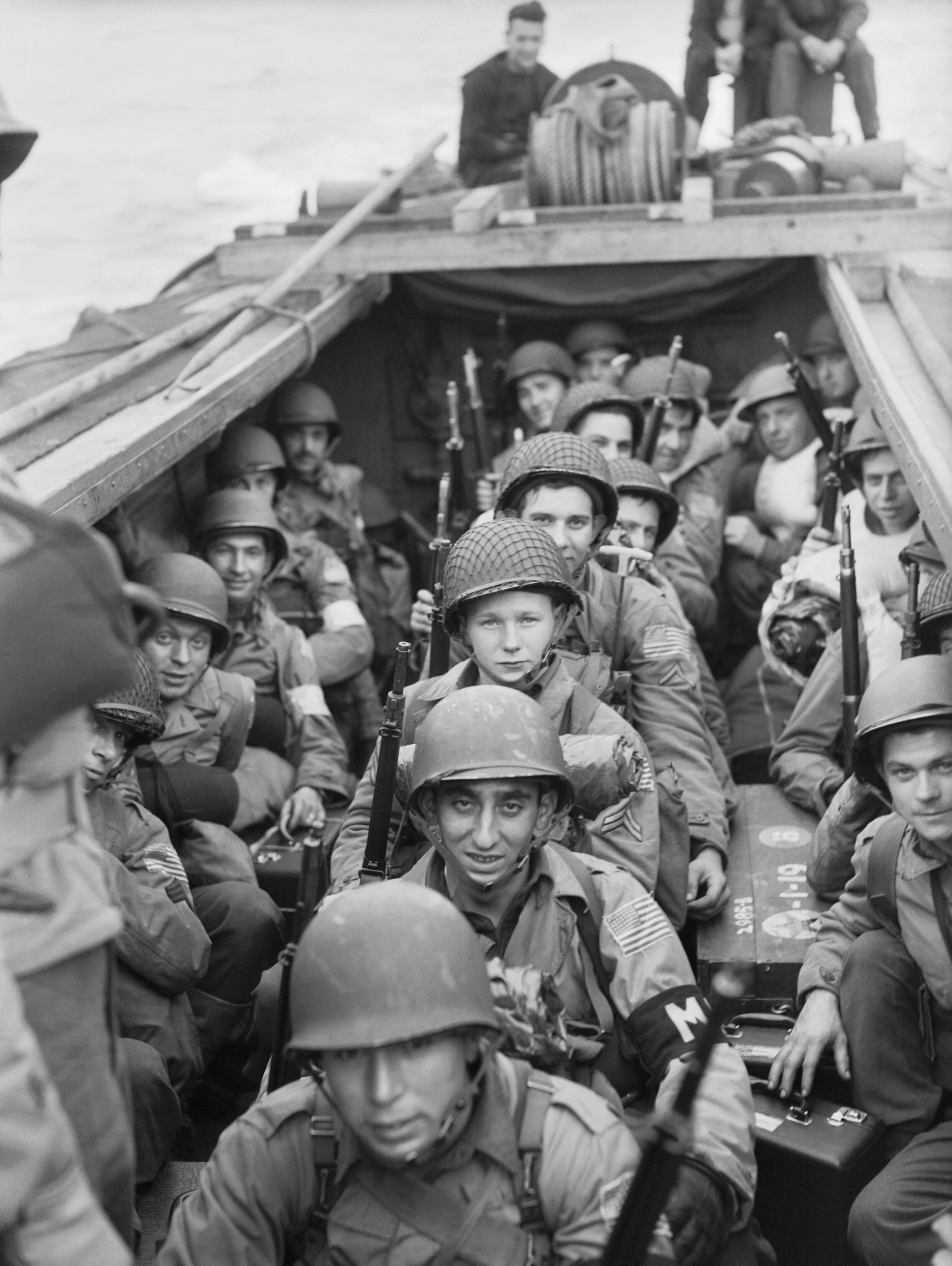
At Omaha Beach on D-Day, where everything went wrong and men fought through chaos on instinct alone, the ability to fire without cycling a bolt may have been the difference between suppression and silence for dozens of pinned-down infantrymen.
The Germans Had an Answer — And It Was More Radical Than Anyone Expected
While the Allies debated the merits of semi-automatic versus bolt-action, German engineers were asking an entirely different question. The result was the Sturmgewehr 44 — the StG44 — and it didn't just answer the firepower problem. It invented a new category of weapon: the assault rifle.
The StG44 offered selective fire, a detachable thirty-round magazine and an intermediate cartridge that balanced range with controllability. It was, in the bluntest terms, a glimpse of every infantry rifle that would follow for the next eighty years. The M1 Garand was the pinnacle of one era. The StG44 was the opening chapter of another.
Had the StG44 reached German infantry in the numbers Hitler initially delayed — politics and personal prejudice cost Germany critical production time — the M1's battlefield dominance would look considerably more contested. That's not a dismissal of the Garand. It's the richer, more complicated story it deserves.
Some Say the M1 Won the War. Others Say It Was Oil, Steel and Sheer Numbers. Which Side Are You On?
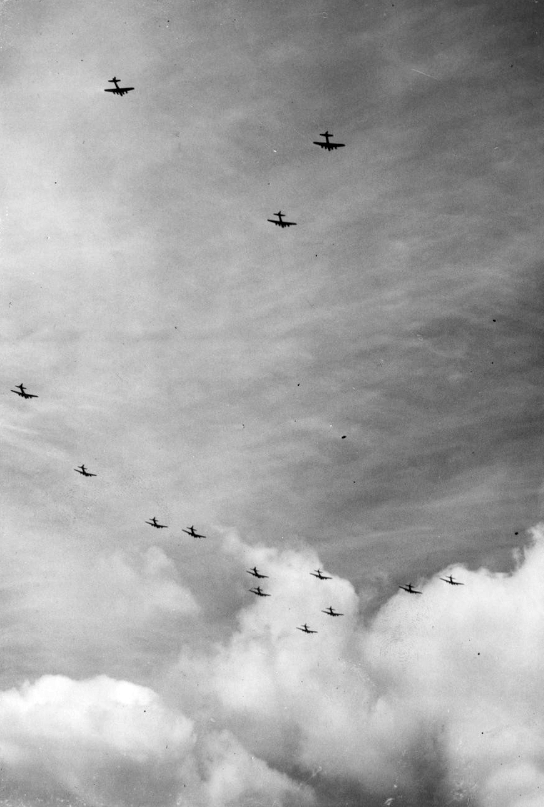
Over 5.4 million M1 Garands were manufactured by the end of 1945. That figure alone tells you something — though whether it speaks to the rifle's brilliance or America's industrial dominance is exactly the argument. The same factories, logistics networks and raw material pipelines that built the B-17 Flying Fortress and the P-51 Mustang also built the Garand in overwhelming volume.
Was it the rifle that won the war, or the factory behind it? Veterans who humped the M1 across Europe and the Pacific have every right to their fierce loyalty. The question is whether the weapon earned the legend, or whether American production capacity did the heavy lifting and the rifle got the credit.
Some say the M1 Garand was a game-changer that handed American infantry a decisive edge. Others say it was oil, steel and sheer numbers that actually turned the tide. Which side are you on?
What the Men Who Carried It Actually Said
Audie Murphy, the most decorated American soldier of World War Two, trusted his M1 instinctively. His Medal of Honor action at Holtzwihr in January 1945 — holding off a German assault almost single-handedly — was won partly on the Garand's reliability in freezing conditions. "It never jammed on me," he said simply.
Others were more candid. The rifle weighed nearly ten pounds unloaded. Loading a fresh en-bloc clip under fire, with cold or shaking hands, was a skill that had to be drilled until it was automatic — or you risked "Garand thumb," the painful and memorably named injury caused by the bolt snapping forward onto an inattentive hand during loading. Combat veterans mention it with a wince and a laugh in almost equal measure.
The honest picture is this: soldiers who trained hard with the M1 trusted it with their lives. Soldiers who didn't, occasionally cursed it. That sounds less like a verdict on the rifle and more like a verdict on preparation.
So here's the question we'll leave you with. You're in a Normandy hedgerow, June 1944. The intelligence is wrong, the unit is scattered and something is moving in the treeline. You can reach for an M1 Garand, a Lee-Enfield or a Kar98k. Which rifle are you carrying — and why? We have a feeling this one will run.